

How to ensure the long - term stability of gunning mix in heat treatment furnaces?
As a supplier of gunning mix, I understand the critical role that gunning mix plays in the operation of heat treatment furnaces. Heat treatment furnaces are used in a wide range of industries, including metalworking, ceramics, and glass manufacturing, to heat materials to specific temperatures for various processes such as annealing, hardening, and tempering. The gunning mix, which is applied to the furnace lining, provides insulation, protection against high temperatures, and resistance to chemical corrosion. Ensuring its long - term stability is essential for the efficient and reliable operation of the furnace.
Understanding the Requirements of Heat Treatment Furnaces
Before we can discuss how to ensure the long - term stability of gunning mix, it is important to understand the unique requirements of heat treatment furnaces. These furnaces operate at high temperatures, often ranging from 800°C to 1600°C, and are subjected to rapid heating and cooling cycles. The gunning mix must be able to withstand these extreme temperature variations without cracking, spalling, or losing its insulating properties.
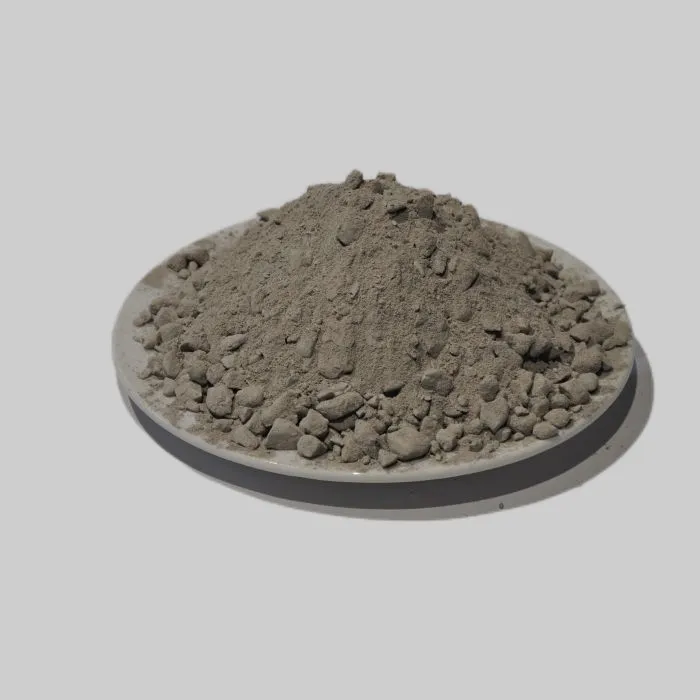
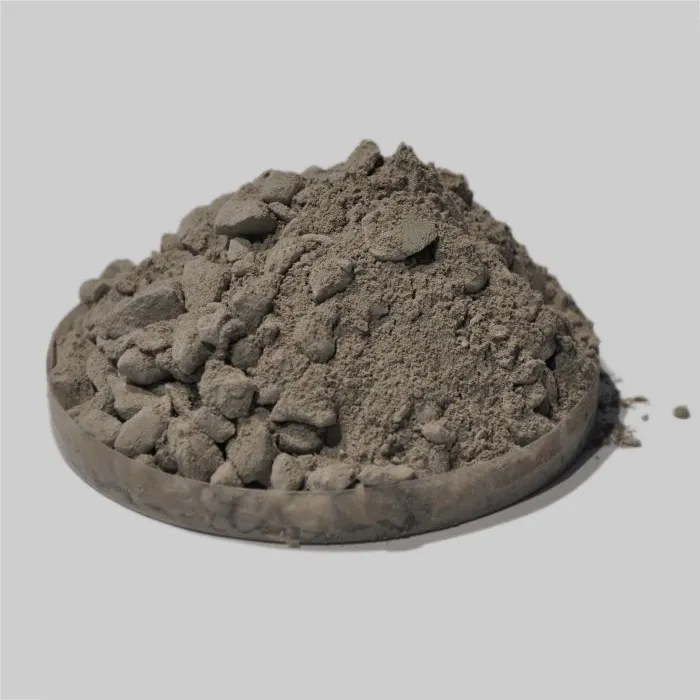
In addition to temperature resistance, the gunning mix must also be resistant to chemical corrosion. Heat treatment processes may involve the use of various chemicals, such as salts, gases, and metal oxides, which can react with the gunning mix and cause degradation over time. Therefore, the gunning mix should be formulated with materials that are chemically inert and can resist the corrosive effects of these substances.
Selecting the Right Gunning Mix
One of the most important steps in ensuring the long - term stability of gunning mix in heat treatment furnaces is selecting the right product for the specific application. At our company, we offer a wide range of gunning mixes, including Ladle Gunning Mix and Hot Patching EAF Gunning Mix, each designed to meet the unique requirements of different types of furnaces and heat treatment processes.
When selecting a gunning mix, several factors need to be considered. First, the temperature range of the furnace operation is crucial. For high - temperature applications, a gunning mix with a high melting point and excellent thermal stability, such as those based on alumina or zirconia, should be chosen. These materials can withstand temperatures up to 1800°C and provide reliable insulation and protection.
Second, the chemical environment of the furnace should be taken into account. If the furnace is exposed to acidic or alkaline substances, a gunning mix with good chemical resistance, such as a silicon - carbide - based or magnesia - based mix, may be more suitable. These materials can resist the corrosive effects of chemicals and maintain their integrity over a long period.
Third, the physical properties of the gunning mix, such as its density, porosity, and thermal conductivity, also play an important role. A gunning mix with low density and high porosity can provide better insulation, while a mix with low thermal conductivity can reduce heat loss from the furnace.
Proper Installation and Application
Even the best - quality gunning mix will not provide long - term stability if it is not installed and applied correctly. Proper installation techniques are essential to ensure that the gunning mix adheres firmly to the furnace lining and forms a continuous, dense layer.
Before applying the gunning mix, the furnace lining should be thoroughly cleaned to remove any dirt, debris, or loose material. This can be done using a wire brush, compressed air, or a suitable cleaning agent. Any damaged or worn areas of the lining should be repaired or replaced before the gunning mix is applied.
The gunning mix should be mixed according to the manufacturer's instructions. This usually involves adding water or a suitable binder to the dry mix and mixing it thoroughly to achieve a homogeneous consistency. The mixing time and the amount of water or binder added can have a significant impact on the performance of the gunning mix.
During the application process, the gunning mix should be applied using a gun or a spraying device. The application should be carried out in multiple layers, with each layer being allowed to dry and set before the next layer is applied. This helps to ensure that the gunning mix forms a strong, uniform layer and reduces the risk of cracking or spalling.
It is also important to control the thickness of the gunning mix layer. A layer that is too thin may not provide sufficient insulation and protection, while a layer that is too thick may be prone to cracking and delamination. The recommended thickness of the gunning mix layer depends on the type of furnace, the operating conditions, and the specific product being used.
Regular Inspection and Maintenance
Regular inspection and maintenance are crucial for ensuring the long - term stability of gunning mix in heat treatment furnaces. Over time, the gunning mix may be subject to wear, erosion, and chemical attack, which can cause it to deteriorate and lose its effectiveness.
Inspections should be carried out at regular intervals, preferably after each heat treatment cycle or at least once a month. During the inspection, the gunning mix should be visually examined for any signs of cracking, spalling, or erosion. Any damaged areas should be repaired immediately to prevent further deterioration.
In addition to visual inspections, non - destructive testing techniques, such as ultrasonic testing or thermography, can be used to detect any internal defects or areas of weakness in the gunning mix. These techniques can help to identify potential problems before they become serious and allow for timely repairs.
Maintenance activities may include cleaning the gunning mix surface, removing any accumulated debris or deposits, and applying a protective coating if necessary. The coating can help to enhance the chemical resistance and thermal stability of the gunning mix and extend its service life.
Training and Technical Support
Finally, providing training and technical support to our customers is an important part of ensuring the long - term stability of gunning mix in heat treatment furnaces. We offer comprehensive training programs for furnace operators and maintenance personnel, which cover topics such as gunning mix selection, installation techniques, inspection methods, and maintenance procedures.
Our technical support team is also available to provide on - site assistance and advice to our customers. They can help to troubleshoot any problems that may arise during the installation or operation of the gunning mix and provide solutions to ensure the optimal performance of the furnace.
In conclusion, ensuring the long - term stability of gunning mix in heat treatment furnaces requires a combination of selecting the right product, proper installation and application, regular inspection and maintenance, and adequate training and technical support. As a gunning mix supplier, we are committed to providing our customers with high - quality products and comprehensive services to help them achieve reliable and efficient operation of their heat treatment furnaces. If you are interested in our gunning mix products or need further information, please feel free to contact us for procurement and negotiation.
References
- "Refractories Handbook" - A comprehensive guide to refractories materials and their applications in high - temperature industries.
- "Heat Treatment Furnace Technology" - A technical reference book on the design, operation, and maintenance of heat treatment furnaces.
- Industry research reports on the development and trends of gunning mix products for heat treatment furnaces.