

Hey there! As a supplier of bubble alumina, I often get asked about its properties, and one question that pops up quite frequently is, "What is the melting point of bubble alumina?" Today, I'm going to break it down for you and share some interesting facts about this amazing material.
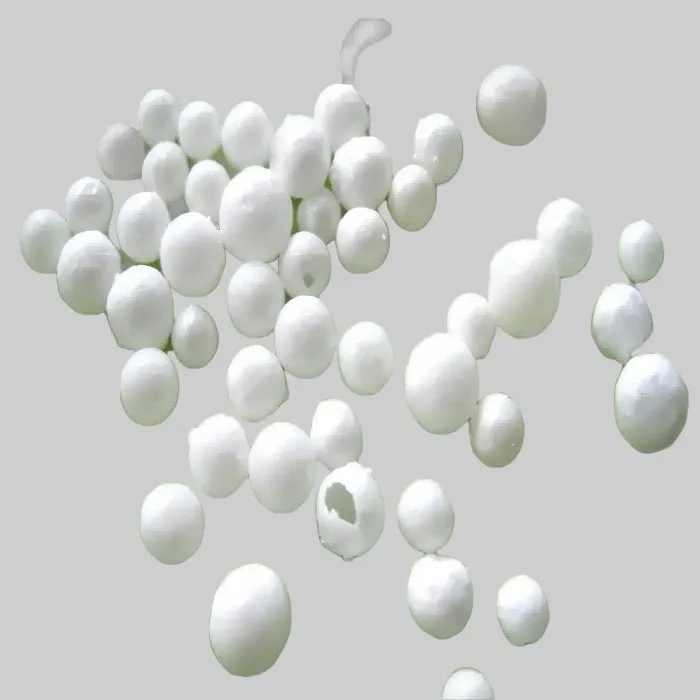
First things first, let's understand what bubble alumina is. Bubble alumina, also known as porous alumina, is a lightweight, high - strength ceramic material. It's made up of tiny spherical bubbles that give it its unique structure. This material has a wide range of applications, from refractories to catalyst supports. You can learn more about it on our Bubble Alumina page.
Now, let's talk about the melting point. The melting point of bubble alumina is quite high, typically around 2050°C (3722°F). This high melting point is due to the strong ionic bonds in the alumina (Al₂O₃) crystal structure. Alumina is an oxide of aluminum, and these ionic bonds require a large amount of energy to break, which is why it takes such high temperatures to melt it.
The high melting point of bubble alumina makes it an ideal material for high - temperature applications. For example, in the refractory industry, it's used to line furnaces and kilns. These industrial furnaces can reach extremely high temperatures, and bubble alumina can withstand these conditions without melting or deforming. This not only ensures the longevity of the furnace lining but also helps in maintaining the efficiency of the heating process.
Another area where the high melting point of bubble alumina comes in handy is in the production of ceramic filters. These filters are used in the purification of molten metals. Since the molten metals can be at very high temperatures, the filter needs to be able to withstand these temperatures. Bubble alumina's high melting point makes it a perfect choice for this application, as it can filter out impurities from the molten metal without getting damaged.
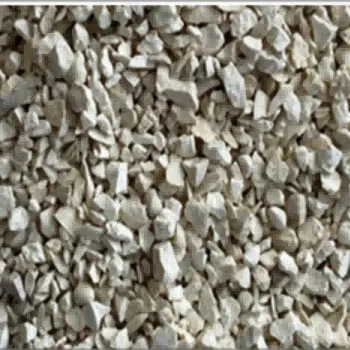
When compared to other materials, bubble alumina's high melting point gives it a significant advantage. Take Synthetic Cordierite for example. Synthetic cordierite has a lower melting point, usually around 1450 - 1550°C (2642 - 2822°F). While synthetic cordierite is also a useful ceramic material with its own set of properties, it may not be suitable for applications that require extremely high - temperature resistance.
The manufacturing process of bubble alumina also plays a role in its melting point. The way the bubbles are formed and the purity of the alumina used can affect the overall properties of the material. In our production process, we use high - quality raw materials and advanced manufacturing techniques to ensure that our bubble alumina has a consistent and high melting point. This quality control is essential, especially for industries where the performance of the material is critical.
But it's not just the high melting point that makes bubble alumina great. It also has other desirable properties such as low thermal conductivity, high porosity, and good chemical stability. The low thermal conductivity means that it can act as an insulator, reducing heat loss in high - temperature applications. The high porosity allows for better gas and liquid permeability, which is useful in applications like catalyst supports. And the good chemical stability ensures that it can resist corrosion and chemical attacks, making it suitable for use in harsh chemical environments.
If you're in an industry that requires a high - temperature - resistant material, bubble alumina could be the solution you're looking for. Whether you're in the refractory, metal - casting, or chemical industry, our bubble alumina can meet your needs. We offer different grades and specifications of bubble alumina to suit various applications.
If you're interested in learning more about our bubble alumina products or have any questions regarding its melting point or other properties, don't hesitate to reach out. We're here to help you find the right material for your specific requirements. Whether you're a small - scale manufacturer or a large industrial company, we can work with you to provide the best solution.
In conclusion, the melting point of bubble alumina, around 2050°C (3722°F), is a key factor that makes it a valuable material in high - temperature applications. Its unique combination of properties, along with its high melting point, gives it an edge over other materials. So, if you're in the market for a high - performance ceramic material, consider bubble alumina. Contact us today to start a discussion about your procurement needs, and let's see how we can work together to achieve your goals.
References
- Ceramic Materials Handbook
- Industrial Refractory Applications Guide