
Hey there! As a supplier of tundish nozzles, I've seen firsthand the importance of ensuring proper interaction between the tundish nozzle and the casting mold. In this blog, I'll share some tips and insights on how to make this happen.
Understanding the Basics
First off, let's talk about what the tundish nozzle and casting mold are and what they do. The tundish nozzle is a crucial part of the continuous casting process. It's responsible for controlling the flow of molten metal from the tundish (a reservoir that holds the molten metal) into the casting mold. The casting mold, on the other hand, gives the molten metal its shape as it solidifies.
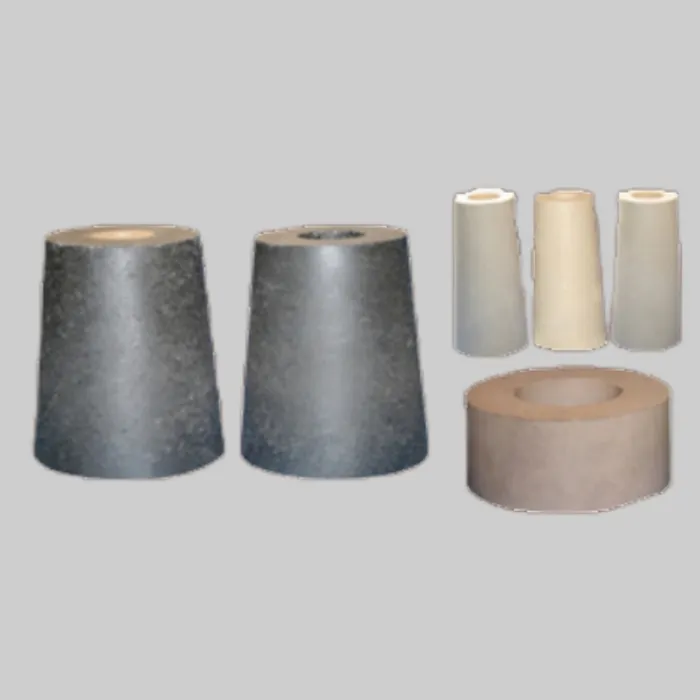
The proper interaction between these two components is essential for a successful casting process. If the interaction isn't right, it can lead to a bunch of problems like uneven flow of the molten metal, air entrapment, and even defects in the final product.
Selecting the Right Nozzle
One of the first steps in ensuring proper interaction is choosing the right tundish nozzle for the job. There are different types of nozzles available, each with its own features and benefits.
For example, the Refractory Collector Nozzle is great for collecting and directing the molten metal flow. It's designed to withstand high temperatures and the erosive forces of the flowing metal. This type of nozzle can help ensure a smooth and consistent flow into the casting mold.
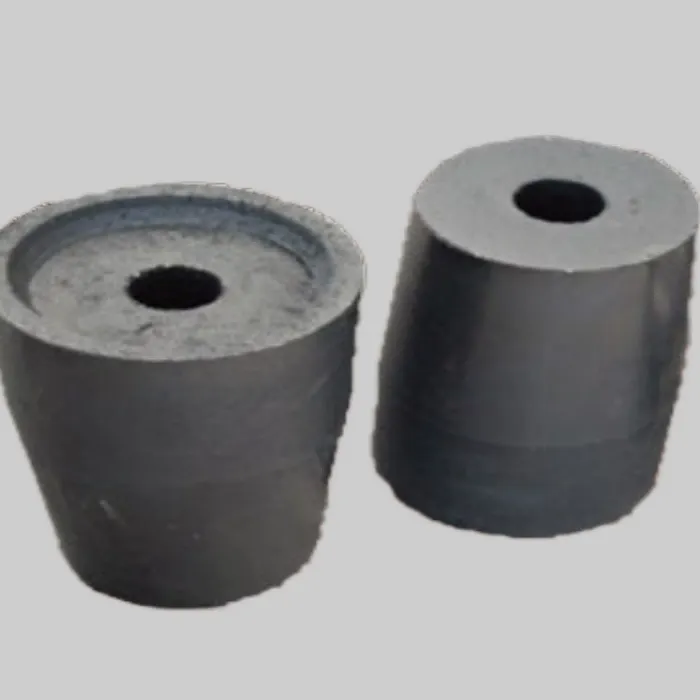
Another option is the Zirconia Nozzle. Zirconia has excellent thermal and chemical stability, which means it can maintain its shape and performance even under extreme conditions. It can reduce the risk of clogging and improve the overall quality of the casting.
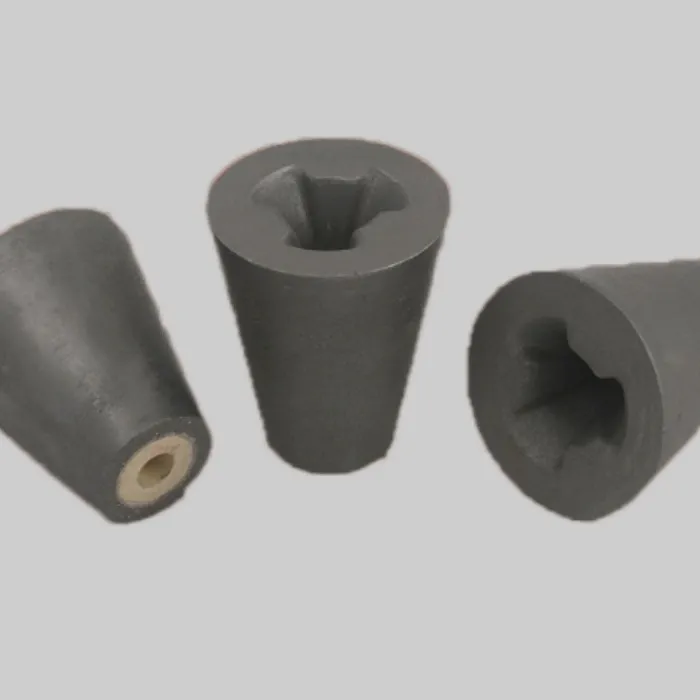
The Zirconium Sizing Nozzle is also a popular choice. It's used to control the size and shape of the molten metal stream. By accurately sizing the stream, it helps ensure that the metal fills the casting mold evenly.
When selecting a nozzle, you need to consider factors like the type of metal being cast, the casting speed, and the specific requirements of the casting mold.
Installation and Alignment
Once you've chosen the right nozzle, proper installation and alignment are crucial. The nozzle needs to be installed correctly in the tundish to ensure a proper seal and prevent any leakage of the molten metal.
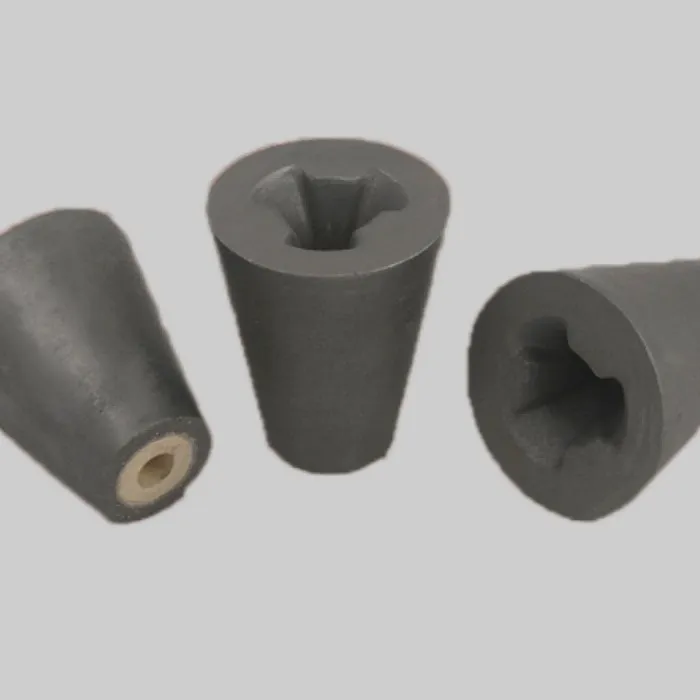
Alignment is also key. The nozzle should be aligned precisely with the inlet of the casting mold. Even a small misalignment can cause the molten metal to flow unevenly, leading to defects in the casting. You can use alignment tools and follow the manufacturer's guidelines to ensure accurate alignment.
Flow Control
Controlling the flow of molten metal through the tundish nozzle is another important aspect. You don't want the flow to be too fast or too slow. If the flow is too fast, it can cause splashing and air entrapment. On the other hand, if the flow is too slow, the metal may start to solidify before it fills the mold properly.
There are different methods to control the flow. One common method is using a slide gate or a stopper rod. These devices can be adjusted to regulate the opening size of the nozzle, thereby controlling the flow rate. It's important to monitor the flow rate during the casting process and make adjustments as needed.
Temperature Management
Temperature plays a significant role in the interaction between the tundish nozzle and the casting mold. The molten metal needs to be at the right temperature when it enters the mold. If the temperature is too high, it can cause excessive wear on the nozzle and the mold. If the temperature is too low, the metal may not flow properly and can lead to incomplete filling of the mold.
To manage the temperature, you can use pre - heating techniques for the nozzle and the mold. Insulation can also be used to reduce heat loss during the casting process. Additionally, monitoring the temperature of the molten metal and making adjustments to the heating or cooling systems as necessary is important.
Maintenance and Inspection
Regular maintenance and inspection of the tundish nozzle and the casting mold are essential. Over time, the nozzle can wear out due to the high - temperature and erosive nature of the molten metal. Cracks, erosion, and clogging can occur, which can affect the interaction between the nozzle and the mold.
Inspect the nozzle before each use for any signs of damage. Clean the nozzle regularly to remove any debris or solidified metal. If any damage is detected, replace the nozzle immediately.
Similarly, the casting mold also needs to be inspected and maintained. Check for any signs of wear, cracks, or deformation. Clean the mold to ensure a smooth surface for the molten metal to flow over.
Quality Assurance
Implementing a quality assurance program is a must. This includes testing the nozzles and molds before use to ensure they meet the required standards. You can conduct physical and chemical tests on the nozzles to check their properties like thermal conductivity, strength, and corrosion resistance.
For the casting process, you can perform non - destructive testing on the final products to detect any internal defects. By having a strict quality assurance program in place, you can catch any issues early and take corrective actions.
Conclusion
Ensuring proper interaction between the tundish nozzle and the casting mold is a multi - faceted process. It involves selecting the right nozzle, proper installation and alignment, flow control, temperature management, maintenance, and quality assurance.
As a tundish nozzle supplier, I'm here to help you with all your nozzle needs. Whether you're looking for a Refractory Collector Nozzle, a Zirconia Nozzle, or a Zirconium Sizing Nozzle, we've got you covered. If you're interested in purchasing our products or have any questions, feel free to reach out to us. We'll be happy to assist you in making the right choices for your casting process.
References
- "Continuous Casting Technology" by John Doe
- "Refractory Materials in Metal Casting" by Jane Smith
- Industry reports on tundish nozzle performance and applications.