

Hey there! I'm a supplier of castable fire bricks, and I've been in this business for quite some time. Over the years, I've learned a thing or two about testing the quality of these bricks. In this blog post, I'll share with you some practical methods and tips on how to test the quality of castable fire bricks.
Visual Inspection
The first step in testing the quality of castable fire bricks is a visual inspection. This is a simple yet crucial step that can give you a good initial idea of the brick's condition.
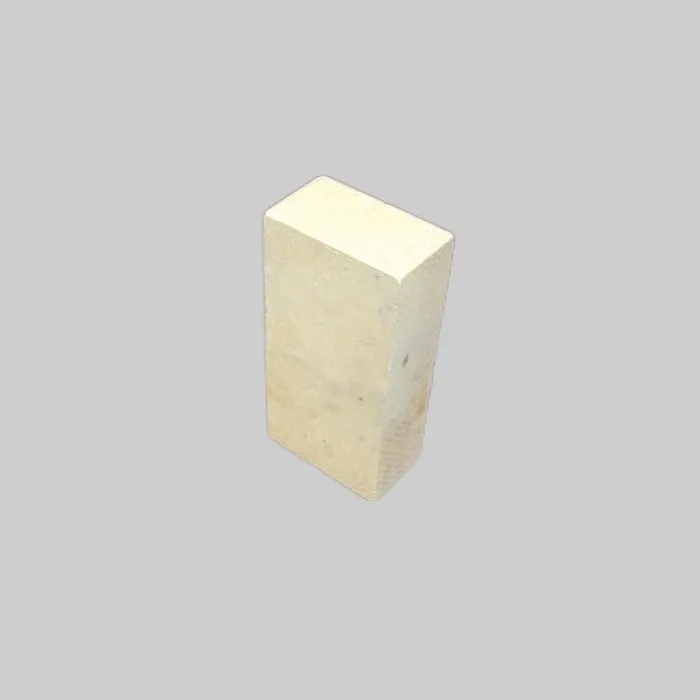
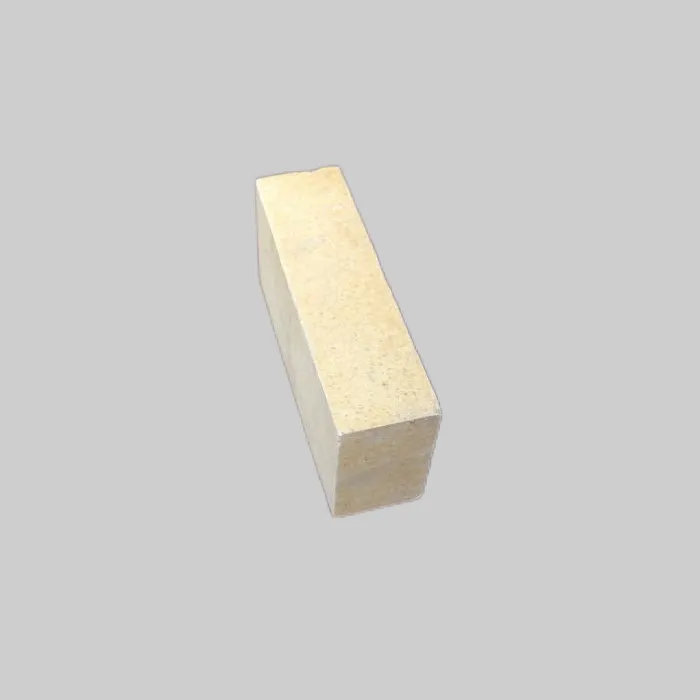
Start by looking at the surface of the brick. It should be smooth and free of cracks, chips, or any visible defects. Any cracks or chips can significantly reduce the brick's strength and durability, making it less effective in high-temperature applications. Also, check for any unevenness or warping. A warped brick may not fit properly in your kiln or furnace, leading to potential problems down the line.
Another thing to look for is the color of the brick. A consistent color throughout the brick is a good sign. Any discoloration could indicate issues with the manufacturing process or the quality of the raw materials used.
Density Testing
Density is an important factor when it comes to the quality of castable fire bricks. A higher density generally means better insulation properties and greater strength.
To test the density of a fire brick, you'll need a scale and a measuring device. First, weigh the brick to get its mass. Then, measure the dimensions of the brick (length, width, and height) and calculate its volume. Finally, divide the mass by the volume to get the density.
Compare the density of the brick you're testing with the specifications provided by the manufacturer. If the density is significantly lower than the specified value, it could indicate that the brick has a higher porosity, which may lead to reduced insulation and strength.
Thermal Conductivity Testing
Thermal conductivity is a measure of how well a material conducts heat. In the case of castable fire bricks, a low thermal conductivity is desirable as it means the brick can better insulate your kiln or furnace, reducing heat loss.
There are several methods to test thermal conductivity, but one of the most common is the guarded hot plate method. This method involves placing the brick between a heated plate and a cooled plate and measuring the heat flow through the brick.
The lower the thermal conductivity of the brick, the better it will perform as an insulator. However, keep in mind that thermal conductivity can be affected by factors such as temperature, density, and porosity.
Compressive Strength Testing
Compressive strength is the ability of a material to withstand pressure without breaking. In a high-temperature environment, castable fire bricks are often subjected to significant pressure, so it's important to ensure they have sufficient compressive strength.
To test the compressive strength of a fire brick, you'll need a compression testing machine. Place the brick in the machine and apply a gradually increasing load until the brick breaks. The maximum load the brick can withstand before breaking is its compressive strength.
The compressive strength of a fire brick should meet the requirements of your specific application. For example, if you're using the bricks in a Cement Rotary Kiln, you'll need bricks with a high compressive strength to withstand the heavy loads and high temperatures. You can find more information about Cement Rotary Kiln Refractory Bricks on our website.
Thermal Shock Resistance Testing
Thermal shock resistance is the ability of a material to withstand sudden changes in temperature without cracking or breaking. In a kiln or furnace, the temperature can change rapidly, so it's important for castable fire bricks to have good thermal shock resistance.
One way to test thermal shock resistance is the water quenching method. Heat the brick to a high temperature (usually around 1000°C) and then quickly immerse it in cold water. Repeat this process several times and check for any cracks or damage on the brick's surface.
If the brick shows signs of cracking or spalling after a few cycles, it may not have good thermal shock resistance. On the other hand, if the brick remains intact after multiple cycles, it indicates that it has good thermal shock resistance.
Chemical Analysis
Chemical analysis can provide valuable information about the composition of the castable fire brick. Different raw materials are used in the manufacturing of fire bricks, and the chemical composition can affect the brick's properties such as strength, thermal conductivity, and resistance to corrosion.
There are several techniques for chemical analysis, including X-ray fluorescence (XRF) and inductively coupled plasma (ICP) spectroscopy. These techniques can determine the elemental composition of the brick and identify any impurities or contaminants.
By analyzing the chemical composition, you can ensure that the brick meets the specifications for your application. For example, if you need a brick with high alumina content for its refractory properties, the chemical analysis can confirm whether the brick has the required alumina content.
Porosity Testing
Porosity is another important factor that can affect the quality of castable fire bricks. A high porosity can lead to reduced strength, increased thermal conductivity, and decreased resistance to corrosion.
There are several methods to test porosity, including the water absorption method. In this method, weigh the dry brick, then immerse it in water for a specified period of time. After removing the brick from the water, wipe off the surface water and weigh it again. The difference in weight between the dry and wet brick is the amount of water absorbed, which can be used to calculate the porosity.
A lower porosity is generally better for fire bricks, as it indicates a denser and more durable material.
Conclusion
Testing the quality of castable fire bricks is essential to ensure their performance and durability in high-temperature applications. By using a combination of visual inspection, density testing, thermal conductivity testing, compressive strength testing, thermal shock resistance testing, chemical analysis, and porosity testing, you can get a comprehensive understanding of the brick's quality.
If you're in the market for high-quality castable fire bricks, we're here to help. We offer a wide range of fire bricks, including Rotary Kiln Bricks and Sk34 Firebrick, that have been thoroughly tested to meet the highest standards. Whether you're building a new kiln or furnace or need to replace existing bricks, we can provide you with the right products for your needs.
If you have any questions or would like to discuss your specific requirements, please don't hesitate to get in touch. We're always happy to help you find the best solutions for your refractory needs.
References
- ASTM International. (2023). Standard Test Methods for Physical Testing of Refractory Materials.
- Bansal, N. P., & Doremus, R. H. (1986). Handbook of Glass Properties. Academic Press.
- Schneider, H., Muchow, R., & Telle, R. (2008). Refractories Handbook. Wiley-VCH.