

As a supplier of gunning mix, I've witnessed firsthand the critical role that bonding strength plays in the performance and longevity of refractory applications. Whether it's for hot patching in electric arc furnaces (EAF) or lining ladles, a high - quality gunning mix with excellent bonding strength can significantly enhance the efficiency and reliability of industrial processes. In this blog, I'll share some effective strategies on how to improve the bonding strength of gunning mix.
Understanding the Basics of Gunning Mix Bonding
Before delving into the methods of improving bonding strength, it's essential to understand the basic principles behind the bonding mechanism of gunning mix. Gunning mix is a refractory material that is sprayed onto a surface using a pneumatic gun. The bonding of the gunning mix to the substrate occurs through a combination of physical and chemical processes.
Physically, the particles of the gunning mix interlock with the surface of the substrate, creating a mechanical bond. Chemically, certain additives in the gunning mix react with the substrate or with each other to form strong chemical bonds. Factors such as particle size distribution, moisture content, and the type of binder used can all influence the bonding strength.
Optimizing Particle Size Distribution
One of the key factors affecting the bonding strength of gunning mix is the particle size distribution. A well - graded particle size distribution ensures that the smaller particles can fill the voids between the larger particles, resulting in a more compact and dense structure. This not only improves the mechanical interlocking of the particles but also enhances the chemical reactivity by increasing the contact area between the particles and the substrate.
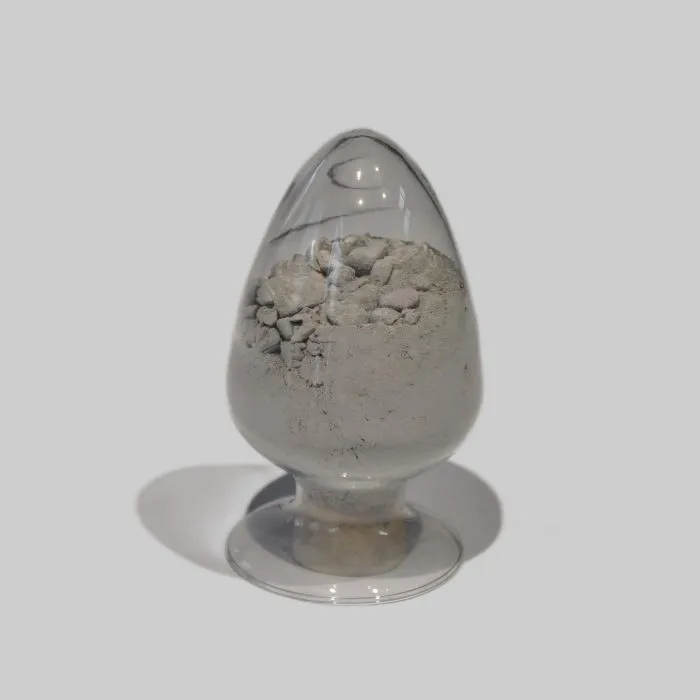
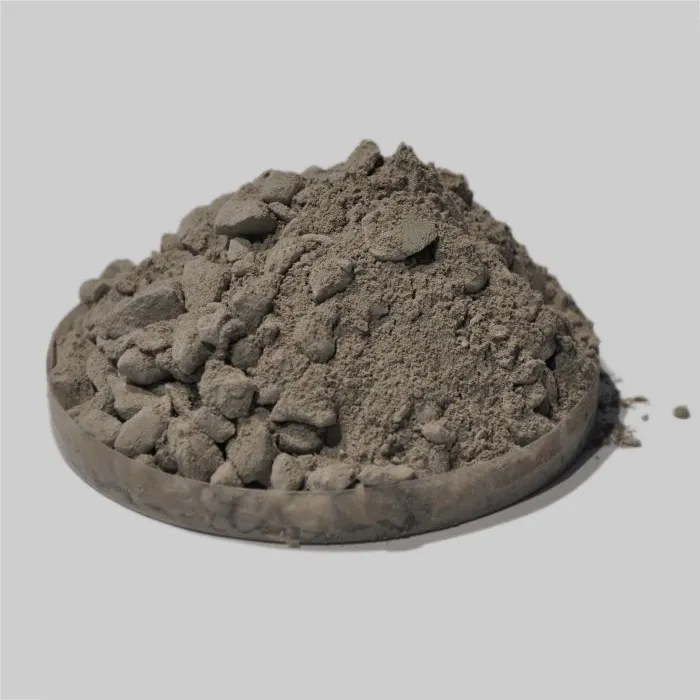
To optimize the particle size distribution, we can use a combination of sieving and grinding techniques. By carefully controlling the proportion of different particle sizes, we can achieve a more uniform and consistent gunning mix. For example, in our Hot Patching EAF Gunning Mix, we have fine - tuned the particle size distribution to ensure maximum bonding strength during hot patching operations in electric arc furnaces.
Controlling Moisture Content
Moisture content is another critical factor that can significantly impact the bonding strength of gunning mix. Too much moisture can cause the gunning mix to become too wet, leading to poor adhesion and slumping. On the other hand, too little moisture can result in incomplete hydration of the binder, weakening the chemical bonds.
The ideal moisture content depends on the type of gunning mix and the application. In general, for most gunning mixes, a moisture content of around 3% - 6% is recommended. To control the moisture content, we use advanced drying and moisture - measuring equipment during the production process. Additionally, proper storage and handling of the gunning mix are crucial to prevent moisture absorption from the environment.
Selecting the Right Binder
The choice of binder is perhaps the most important factor in determining the bonding strength of gunning mix. Binders can be classified into organic and inorganic types. Organic binders, such as resins, offer good initial bonding strength and are often used in applications where a quick - setting gunning mix is required. However, they may decompose at high temperatures, leading to a reduction in long - term bonding strength.
Inorganic binders, such as cement and phosphate - based binders, are more suitable for high - temperature applications. They can form strong chemical bonds with the refractory particles and the substrate, providing excellent long - term bonding strength. For example, our Ladle Gunning Mix uses a high - quality inorganic binder that ensures strong adhesion and resistance to thermal shock in ladle lining applications.
Surface Preparation
Proper surface preparation is essential for achieving good bonding between the gunning mix and the substrate. The surface should be clean, free of any contaminants such as dirt, oil, and loose refractory material. A rough surface provides better mechanical interlocking for the gunning mix particles.
We recommend using methods such as sandblasting or wire brushing to clean and roughen the surface before applying the gunning mix. In some cases, a primer or a bonding agent can be applied to the surface to enhance the chemical bonding between the gunning mix and the substrate.
Application Techniques
The way the gunning mix is applied also has a significant impact on its bonding strength. The spraying pressure, distance, and angle all need to be carefully controlled. A consistent spraying pressure ensures that the gunning mix is evenly distributed on the surface. The spraying distance should be adjusted according to the type of gunning mix and the equipment used, typically ranging from 300 to 600 mm.
The spraying angle should be perpendicular to the surface to ensure maximum impact and penetration of the gunning mix particles. During the application process, multiple thin layers are often preferred over a single thick layer. This allows for better compaction and reduces the risk of cracking due to shrinkage.
Post - Application Curing
After the gunning mix is applied, proper curing is necessary to develop its full bonding strength. Curing involves a combination of drying and heat treatment. The drying process removes the excess moisture from the gunning mix, while the heat treatment activates the chemical reactions in the binder.
The curing process should be carried out gradually to avoid thermal shock. We recommend following a specific curing schedule based on the type of gunning mix and the application. For example, for some high - temperature gunning mixes, a slow heating rate of 10 - 20°C per hour may be required during the initial stages of curing.
Quality Control and Testing
To ensure the bonding strength of our gunning mix meets the required standards, we have a comprehensive quality control system in place. We conduct various tests, including bond strength tests, compressive strength tests, and thermal shock resistance tests.
Bond strength tests are performed using specialized equipment to measure the force required to separate the gunning mix from the substrate. Compressive strength tests evaluate the ability of the gunning mix to withstand pressure. Thermal shock resistance tests simulate the real - world conditions of rapid heating and cooling to assess the durability of the gunning mix.
By regularly testing our gunning mix products, we can identify any potential issues and make necessary adjustments to our manufacturing processes to improve the bonding strength.
Conclusion
Improving the bonding strength of gunning mix is a multi - faceted process that involves optimizing particle size distribution, controlling moisture content, selecting the right binder, proper surface preparation, correct application techniques, and post - application curing. As a supplier of high - quality gunning mix, we are committed to continuously researching and developing new technologies to enhance the bonding strength of our products.
If you are in the market for gunning mix and want to ensure the best bonding strength for your specific application, we invite you to contact us for a detailed discussion. Our team of experts can provide you with personalized solutions and technical support to meet your requirements. Let's work together to improve the efficiency and reliability of your industrial processes with our top - notch gunning mix products.
References
- "Refractory Materials Handbook", John Wiley & Sons
- "Principles of Refractory Bonding", Journal of Refractory Technology
- "Advanced Gunning Mix Technologies", International Journal of Refractory Applications and Materials