

Can a ladle shroud be used in small - scale casting operations?
As a supplier of ladle shrouds, I often encounter inquiries from customers, especially those involved in small - scale casting operations, about the feasibility of using ladle shrouds in their processes. In this blog post, I aim to explore whether a ladle shroud can be effectively used in small - scale casting and discuss the associated considerations.
Understanding Ladle Shrouds
Ladle shrouds are essential components in the continuous casting process. They are tubular refractory structures that are used to connect the ladle (a large container for holding molten metal) to the tundish. The primary function of a ladle shroud is to protect the molten metal stream from oxidation and contamination by the surrounding air. When molten metal is exposed to air, it can react with oxygen, nitrogen, and other elements in the atmosphere, leading to the formation of inclusions and oxides in the final cast product. These inclusions can significantly degrade the quality of the metal, affecting its mechanical properties and surface finish.
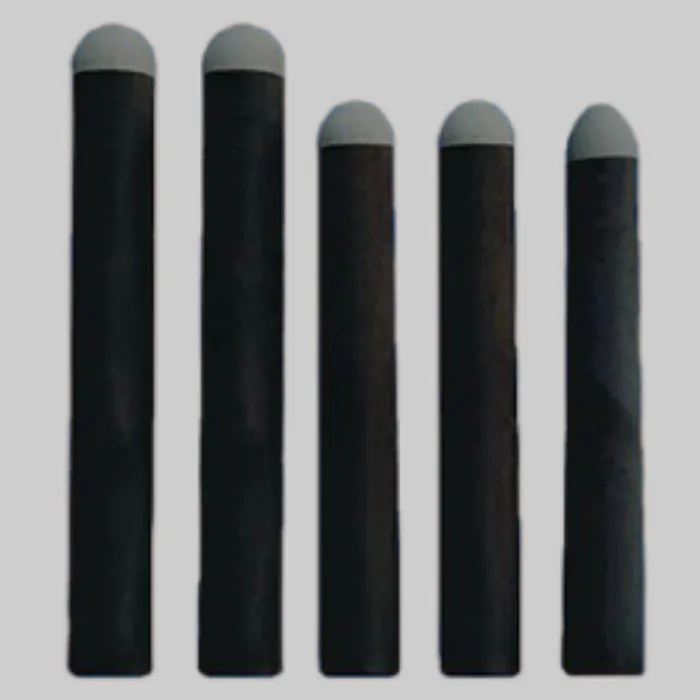
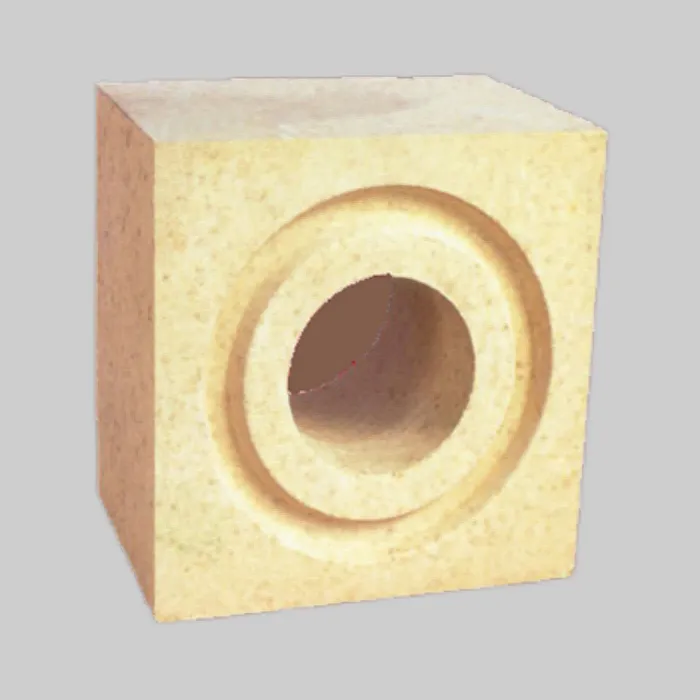
Ladle shrouds also help to control the flow of molten metal into the tundish. By providing a smooth and stable passage for the metal, they reduce turbulence and splashing, which can further contribute to the formation of defects in the cast product. Additionally, ladle shrouds can minimize heat loss from the molten metal, ensuring that it remains in a suitable state for casting.
Suitability for Small - Scale Casting Operations
In small - scale casting operations, the use of ladle shrouds can offer several advantages, but there are also some challenges that need to be considered.
Advantages
- Quality Improvement: Just like in large - scale casting, the use of a ladle shroud in small - scale operations can significantly improve the quality of the cast product. By preventing oxidation and contamination, it helps to reduce the number of inclusions and oxides in the metal, resulting in a more homogeneous and defect - free final product. This is particularly important for applications where high - quality castings are required, such as in the production of precision components or high - performance alloys.
- Process Control: Ladle shrouds provide better control over the flow of molten metal. In small - scale casting, where precise control of the metal flow is often crucial, the use of a ladle shroud can help to ensure a consistent and stable pour. This can lead to more accurate casting dimensions and better overall process repeatability.
- Heat Conservation: Small - scale casting operations may have limited resources for heating and maintaining the temperature of the molten metal. A ladle shroud can help to minimize heat loss from the metal during the transfer from the ladle to the tundish or mold, reducing the energy requirements and ensuring that the metal remains in a molten state for a longer period.
Challenges
- Cost: One of the main challenges in using ladle shrouds in small - scale casting is the cost. Ladle shrouds are typically made from high - quality refractory materials, which can be expensive. Additionally, there may be costs associated with the installation and maintenance of the ladle shroud system. For small - scale operations with limited budgets, these costs may be prohibitive.
- Size and Compatibility: Small - scale casting operations may have different equipment sizes and configurations compared to large - scale operations. Finding a ladle shroud that is the right size and compatible with the existing casting equipment can be a challenge. In some cases, custom - made ladle shrouds may be required, which can further increase the cost.
- Complexity of Use: The installation and use of a ladle shroud system can be relatively complex, especially for small - scale operators who may not have extensive experience with such equipment. Proper installation is crucial to ensure the effectiveness of the ladle shroud, and any mistakes can lead to poor performance or even safety hazards.
Related Refractory Products
In addition to ladle shrouds, there are other refractory products that are commonly used in casting operations, such as Tundish Shrouds, Monolithic Stoppers, and Well Blocks. These products work together to ensure the smooth and efficient operation of the casting process.
Tundish shrouds are similar to ladle shrouds but are used to connect the tundish to the mold. They also play a crucial role in protecting the molten metal from oxidation and controlling its flow. Monolithic stoppers are used to control the flow of molten metal from the ladle or tundish. They can be adjusted to regulate the amount of metal flowing into the next stage of the casting process. Well blocks are refractory components that are installed at the bottom of the ladle or tundish to support the ladle shroud or other flow - control devices.
Considerations for Small - Scale Operators
If small - scale casting operators are considering using ladle shrouds, there are several factors they should take into account.
- Product Requirements: First, operators need to assess the quality requirements of their cast products. If high - quality castings are essential, the investment in a ladle shroud system may be justified. However, if the application does not require extremely high - quality standards, the cost - benefit analysis may lean towards not using a ladle shroud.
- Budget: As mentioned earlier, cost is a significant factor. Operators should carefully evaluate their budget and determine whether they can afford the initial purchase and ongoing maintenance costs of a ladle shroud system. They may also explore options for purchasing used or refurbished ladle shrouds to reduce costs.
- Technical Support: Given the complexity of using ladle shrouds, small - scale operators may need access to technical support. They should look for suppliers who can provide installation guidance, training, and after - sales support. This can help to ensure that the ladle shroud system is used correctly and effectively.
Conclusion
In conclusion, while there are challenges associated with using ladle shrouds in small - scale casting operations, they can offer significant benefits in terms of product quality, process control, and heat conservation. Small - scale operators should carefully consider their specific requirements, budget, and technical capabilities before deciding whether to invest in a ladle shroud system.
If you are a small - scale casting operator interested in learning more about ladle shrouds or other refractory products, I encourage you to contact us for a detailed discussion. We can provide you with more information about our products, offer customized solutions based on your needs, and assist you in making an informed decision.
References
- "Refractories in Steelmaking" - A comprehensive handbook on the use of refractories in the steel industry, which provides detailed information on ladle shrouds and other related products.
- "Casting Technology Handbook" - This book covers various aspects of casting processes, including the role of ladle shrouds in ensuring high - quality castings.