

Hey there! I'm from a refractory nozzle supplier, and today I'm gonna walk you through the process of installing a refractory nozzle. Refractory nozzles are crucial in many industrial applications, especially in the steelmaking industry. They help control the flow of molten metal, ensuring a smooth and efficient operation. So, let's get started!
Pre - installation Preparations
Before you even think about installing the refractory nozzle, there are a few things you need to do. First off, you gotta make sure you've got the right nozzle for the job. We offer a wide range of refractory nozzles, like the Zirconium Sizing Nozzle, Tundish Nozzle, and Zirconia Nozzle. Each type has its own unique properties and is suitable for different applications.
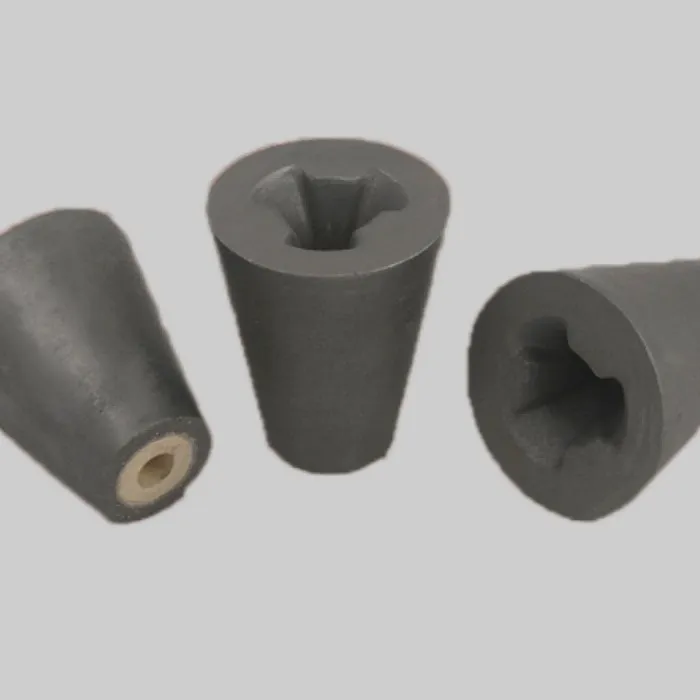
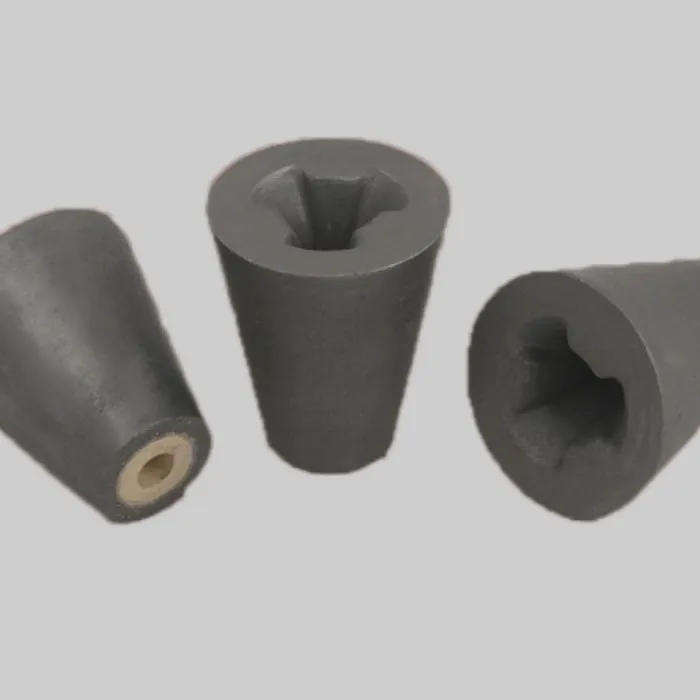
You need to check the specifications of your equipment to ensure compatibility. Measure the dimensions of the area where the nozzle will be installed, including the diameter and depth. This will help you pick the correct size of the refractory nozzle. Also, take a close look at the working conditions, such as the temperature, pressure, and the type of molten metal that will pass through the nozzle. Different nozzles are designed to withstand different levels of these factors.
Another important step is to clean the installation area thoroughly. Remove any debris, dirt, or old refractory material. A clean surface ensures a good seal and proper adhesion of the new nozzle. You can use a wire brush or a compressed air gun to get rid of the unwanted stuff.
Tools and Materials
To install the refractory nozzle, you'll need a few tools and materials. You'll need a refractory mortar or cement. This is used to bond the nozzle to the surrounding structure. Make sure to choose a mortar that is compatible with the refractory material of the nozzle. You'll also need a trowel for applying the mortar and a level to ensure the nozzle is installed straight.
A wrench or a socket set might be required to secure any bolts or fasteners if the nozzle has a mechanical attachment. And don't forget about safety gear! Wear heat - resistant gloves, goggles, and a dust mask to protect yourself from the heat and any dust that might be generated during the installation process.
Installation Steps
- Apply the Mortar: Start by applying a thin layer of refractory mortar to the area where the nozzle will be installed. Use the trowel to spread the mortar evenly, making sure to cover the entire surface. The thickness of the mortar layer should be consistent, usually around 3 - 5 mm.
- Insert the Nozzle: Carefully place the refractory nozzle into the prepared area. Make sure it fits snugly and is centered properly. You can use the level to check if the nozzle is straight. If it's not, adjust it gently until it is.
- Seal the Edges: Once the nozzle is in place, apply more mortar around the edges to create a tight seal. This will prevent any molten metal from leaking out. Smooth the mortar around the edges with the trowel to ensure a clean finish.
- Secure the Nozzle (if applicable): If the nozzle has a mechanical attachment, use the wrench or socket set to tighten the bolts or fasteners. Make sure not to overtighten them, as this could damage the nozzle or the surrounding structure.
- Check the Alignment Again: After securing the nozzle, double - check the alignment. Use the level one more time to make sure everything is still straight. If there are any slight misalignments, you can make small adjustments before the mortar sets.
Post - installation Checks
Once the nozzle is installed, you need to let the mortar dry and cure according to the manufacturer's instructions. This usually takes a few hours to a couple of days, depending on the type of mortar used.
After the curing process is complete, conduct a visual inspection of the installation. Look for any cracks, gaps, or signs of improper sealing. If you find any issues, you may need to repair them before starting the operation.
It's also a good idea to perform a pressure test if possible. This will help you ensure that the nozzle can withstand the pressure of the molten metal flow without any leaks.
Troubleshooting
Sometimes, things might not go as smoothly as planned during the installation process. Here are some common problems and how to fix them:
- Mortar Not Setting Properly: If the mortar is not setting, it could be due to incorrect mixing or environmental conditions. Check the mixing instructions and make sure you're using the right ratio of water and mortar powder. Also, make sure the temperature and humidity are within the recommended range for the mortar.
- Nozzle Misalignment: If the nozzle is misaligned, you can try to adjust it before the mortar sets. If it's too late, you may need to remove the nozzle and start the installation process over again.
- Leaks: If you notice leaks after the installation, it could be due to a poor seal. You can try applying more mortar to the leaking area or, in some cases, replace the nozzle if the problem is severe.
Why Choose Our Refractory Nozzles
As a refractory nozzle supplier, we take pride in offering high - quality products. Our nozzles are made from top - notch refractory materials that can withstand extreme temperatures and harsh working conditions. We have a team of experts who can help you choose the right nozzle for your specific needs.
Our customer service is second to none. We're always here to answer your questions and provide support throughout the installation process. Whether you're a small - scale operation or a large industrial plant, we've got the right solution for you.
Contact Us for Purchasing
If you're in the market for a refractory nozzle, we'd love to hear from you. We can provide you with detailed product information, pricing, and delivery options. Just reach out to us, and we'll start the conversation about how we can meet your refractory nozzle needs.
References
- "Refractory Materials Handbook" - A comprehensive guide on refractory materials and their applications.
- Manufacturer's manuals for the refractory nozzles and mortars used in the installation process.