

CCM (Continuous Casting Machine) refractories play a crucial role in the continuous casting process, which is a key step in modern steelmaking. As a supplier of CCM refractories, I have witnessed the industry's evolution and have a deep understanding of its current state and future prospects. In this blog, I will explore the development prospects for CCM refractories in the future, considering various factors such as technological advancements, market trends, and environmental requirements.
Technological Advancements Driving Innovation
One of the primary factors shaping the future of CCM refractories is technological innovation. Over the years, there has been a continuous push to develop refractories with improved performance, longer service life, and better resistance to corrosion and thermal shock. These advancements are driven by the need to increase the efficiency of the continuous casting process, reduce downtime, and improve the quality of the final steel products.
Improved Materials and Manufacturing Processes
New materials and manufacturing processes are being developed to enhance the properties of CCM refractories. For example, the use of advanced ceramic materials such as zirconia and alumina has significantly improved the corrosion resistance and thermal stability of refractories. Additionally, innovative manufacturing techniques such as isostatic pressing and injection molding are being used to produce refractories with more precise dimensions and better uniformity, which can lead to improved performance and longer service life.
Smart Refractories
The concept of smart refractories is emerging as a promising area of research and development. Smart refractories are designed to have self - monitoring and self - healing capabilities. For instance, sensors can be embedded in refractories to monitor their temperature, stress, and wear in real - time. This information can be used to predict the remaining service life of the refractories and schedule maintenance more effectively, reducing the risk of unexpected failures. Self - healing refractories can repair small cracks and damage on their own, extending their service life and improving the reliability of the continuous casting process.
Market Trends Influencing Demand
The demand for CCM refractories is closely linked to the global steel industry. As the steel industry continues to grow and evolve, the demand for high - quality CCM refractories is expected to increase.
Growth in the Steel Industry
Despite the challenges posed by the global economic situation, the steel industry is still expected to grow in the long term, especially in emerging economies. The increasing demand for steel in infrastructure development, automotive manufacturing, and construction sectors will drive the growth of the continuous casting process, which in turn will increase the demand for CCM refractories.
Shift towards High - Quality Steel
There is a growing trend towards the production of high - quality steel products with better mechanical properties and surface finish. High - quality steel requires a more precise and stable continuous casting process, which relies on high - performance CCM refractories. For example, the production of ultra - low carbon steel and high - strength steel requires refractories with excellent corrosion resistance and thermal stability to prevent contamination and ensure the quality of the final product.
Regional Market Dynamics
The demand for CCM refractories varies across different regions. Emerging economies in Asia, such as China and India, are major consumers of CCM refractories due to their large - scale steel production. These regions are also investing in the modernization of their steelmaking facilities, which will further increase the demand for advanced CCM refractories. In developed economies, there is a focus on improving the efficiency and sustainability of the steel industry, which also drives the demand for high - performance refractories.
Environmental Requirements and Sustainability
In recent years, environmental concerns have become a significant factor in the development of CCM refractories. The steel industry is under increasing pressure to reduce its environmental impact, and refractories play an important role in this process.
Energy Efficiency
Refractories with high thermal insulation properties can help reduce energy consumption in the continuous casting process. By minimizing heat loss, these refractories can lower the energy required to maintain the molten steel at the appropriate temperature, leading to cost savings and a reduced carbon footprint.
Recycling and Waste Reduction
There is a growing emphasis on the recycling and reuse of refractories. Many refractory materials can be recycled and used in the production of new refractories or other products. This not only reduces waste but also conserves natural resources. Additionally, efforts are being made to develop refractories with a longer service life, which can reduce the frequency of replacement and the amount of waste generated.
Low - Emission Refractories
The development of low - emission refractories is another important area of research. Traditional refractories may release harmful substances such as heavy metals and volatile organic compounds during their production and use. Low - emission refractories are designed to minimize these emissions, making the continuous casting process more environmentally friendly.
Specific Product Developments
Well Block
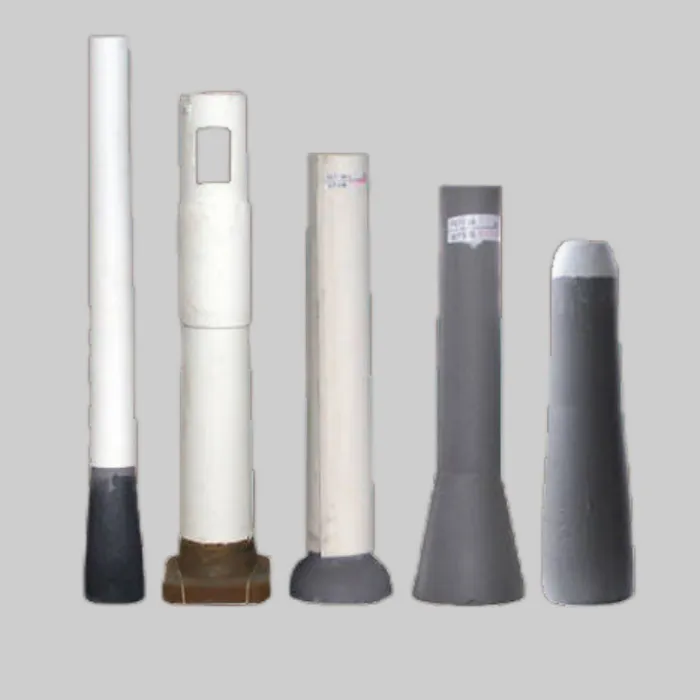
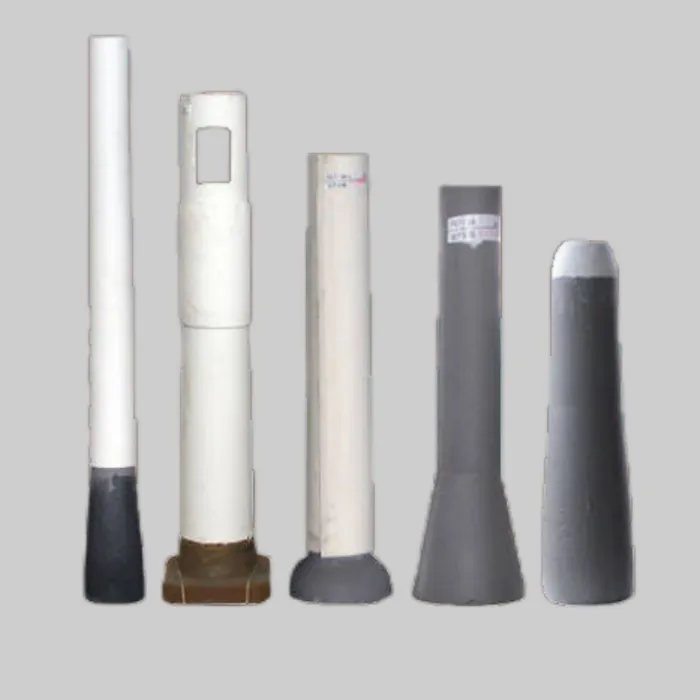
The Well Blcok is an important component in the continuous casting process. It is used to control the flow of molten steel from the tundish to the mold. Future developments in well blocks are likely to focus on improving their erosion resistance and flow control capabilities. Advanced materials and designs will be used to ensure a more stable and precise flow of molten steel, which can improve the quality of the cast steel and reduce the risk of defects.
Sub Entry Nozzle
The Sub Entry Nozzle and Subentry Nozzle are also critical components in the continuous casting process. They are used to guide the molten steel from the tundish into the mold. Future sub - entry nozzles are expected to have better anti - clogging properties and improved thermal shock resistance. New materials and surface treatments will be developed to prevent the adhesion of inclusions and ensure a smooth flow of molten steel, which can improve the productivity and quality of the continuous casting process.
Conclusion and Call to Action
In conclusion, the future prospects for CCM refractories are promising. Technological advancements, market trends, and environmental requirements are all driving the development of more advanced and sustainable CCM refractories. As a supplier of CCM refractories, we are committed to investing in research and development to meet the evolving needs of the steel industry.
If you are in the steel industry and are looking for high - quality CCM refractories, we would be delighted to discuss your requirements. Our team of experts can provide you with customized solutions based on your specific needs and production processes. Contact us today to start a conversation about how our CCM refractories can improve the efficiency and quality of your continuous casting operations.
References
- "Handbook of Refractory Technology" by P. V. Ramana Rao
- "Continuous Casting of Steel" by J. K. Brimacombe and M. G. Thomas
- Industry reports on the global steel and refractory markets from leading market research firms.