

As a dedicated ladle shroud supplier, understanding how to accurately measure the thickness of a ladle shroud is crucial. This knowledge not only ensures the quality and performance of our products but also helps our customers in optimizing their steel - making processes. In this blog, I'll delve into the importance of measuring ladle shroud thickness, the methods available, and how it impacts the overall operation.
Importance of Measuring Ladle Shroud Thickness
Ladle shrouds play a vital role in the continuous casting process of steel production. They are used to protect the molten steel from oxidation and minimize heat loss as it flows from the ladle to the tundish. The thickness of a ladle shroud is a key factor that affects its durability, thermal insulation, and the overall quality of the steel being produced.
If the ladle shroud is too thin, it may not provide sufficient protection against the high - temperature molten steel. This can lead to premature wear and tear, increasing the risk of breakage during the casting process. A broken ladle shroud can contaminate the steel with air and other impurities, resulting in poor - quality steel products. On the other hand, an overly thick ladle shroud may be more expensive to produce and could also have a negative impact on the flow rate of the molten steel, potentially causing blockages.
Methods of Measuring Ladle Shroud Thickness
Ultrasonic Testing
One of the most widely used methods for measuring the thickness of ladle shrouds is ultrasonic testing. This non - destructive testing technique works by sending high - frequency sound waves into the ladle shroud. When these sound waves encounter a boundary between different materials (such as the inner and outer surfaces of the ladle shroud), a portion of the waves is reflected back. By measuring the time it takes for the reflected waves to return to the sensor, the thickness of the ladle shroud can be calculated.
The advantage of ultrasonic testing is its high accuracy and the ability to measure the thickness at multiple points along the ladle shroud. It can also detect internal defects such as cracks or delaminations, which may affect the integrity of the shroud. However, ultrasonic testing requires specialized equipment and trained operators. The surface of the ladle shroud needs to be clean and smooth for accurate measurements, and the presence of any coatings or contaminants can interfere with the test results.
Caliper Measurement
A simple and straightforward method for measuring ladle shroud thickness is using a caliper. A caliper is a measuring tool with two jaws that can be adjusted to fit around the ladle shroud. By closing the jaws on the inner and outer surfaces of the shroud, the thickness can be directly measured.
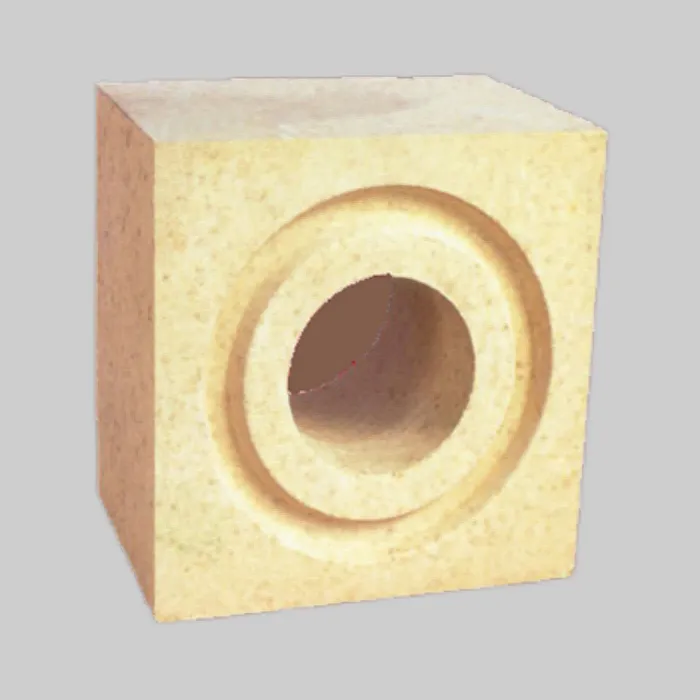
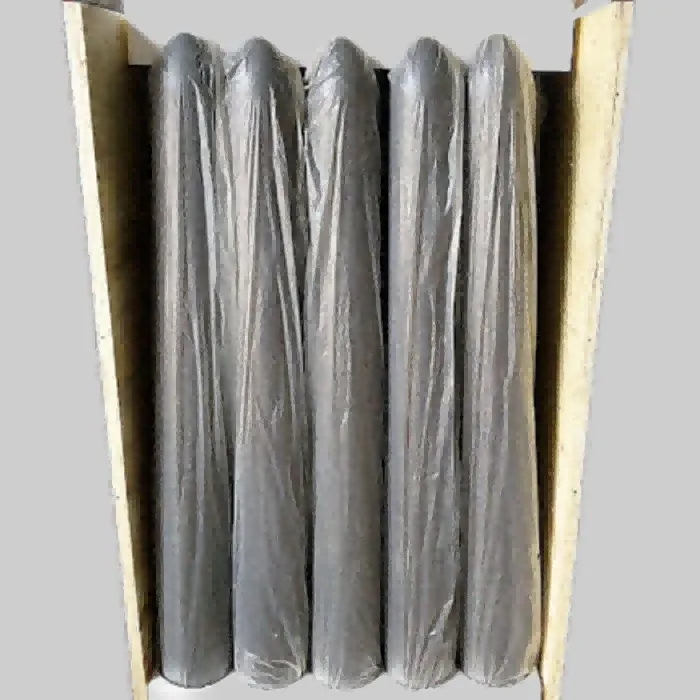
Caliper measurement is inexpensive and easy to perform. It can provide a quick estimate of the ladle shroud thickness, especially for smaller - sized shrouds. However, this method has limitations. It can only measure the thickness at the point where the caliper is applied, and it may not be suitable for measuring the thickness of curved or irregularly shaped ladle shrouds. Additionally, the accuracy of caliper measurement is relatively low compared to ultrasonic testing, especially for thin - walled ladle shrouds.
Laser Scanning
Laser scanning is an advanced method for measuring ladle shroud thickness. This technique uses a laser beam to scan the surface of the ladle shroud. By analyzing the reflection of the laser light, a three - dimensional model of the ladle shroud can be created, from which the thickness can be accurately calculated at every point on the surface.
Laser scanning offers high - precision measurements and can provide detailed information about the shape and thickness distribution of the ladle shroud. It is suitable for measuring ladle shrouds of various shapes and sizes. However, laser scanning equipment is expensive, and the data analysis process can be complex. It also requires a stable environment to ensure accurate results, as factors such as vibrations and dust can affect the measurement.
Impact on Steel - Making Processes
Accurate measurement of ladle shroud thickness has a significant impact on the steel - making processes. By ensuring that the ladle shroud has the appropriate thickness, we can optimize the flow of molten steel. A well - measured ladle shroud helps to maintain a consistent flow rate, which is essential for producing high - quality steel products.
Properly measured ladle shrouds also enhance the thermal insulation properties, reducing heat loss during the transfer of molten steel. This not only saves energy but also helps to keep the molten steel at the desired temperature, improving the casting quality. Moreover, by detecting any abnormal thickness variations or defects through measurement, we can prevent potential failures during the casting process, reducing downtime and production losses.
Related Refractory Products
In addition to ladle shrouds, other refractory products such as Sub Entry Nozzle, Well Blcok, and Monolithic Stopper also play important roles in the steel - making process. These products work in conjunction with ladle shrouds to ensure the smooth and efficient operation of continuous casting.
Conclusion
As a ladle shroud supplier, I understand the critical importance of accurately measuring the thickness of ladle shrouds. Whether it's through ultrasonic testing, caliper measurement, or laser scanning, each method has its own advantages and limitations. By choosing the appropriate measurement method and ensuring high - quality measurement, we can provide our customers with ladle shrouds that meet their specific requirements and contribute to the production of high - quality steel.
If you are in the steel - making industry and are looking for high - quality ladle shrouds or have any questions about ladle shroud thickness measurement, please feel free to contact us for further discussion and potential procurement. We are committed to providing the best products and services to meet your needs.
References
- "Handbook of Refractories"
- "Non - Destructive Testing Techniques for Industrial Applications"
- "Continuous Casting Technology in Steel Production"