

In the realm of steelmaking, tundish nozzles play a pivotal role in ensuring the smooth and efficient transfer of molten steel from the tundish to the molds. As a tundish nozzle supplier, I have witnessed firsthand the numerous challenges that come with developing these critical components. In this blog post, I will delve into the key challenges in tundish nozzle development and share some strategies on how to overcome them.
Understanding the Tundish Nozzle
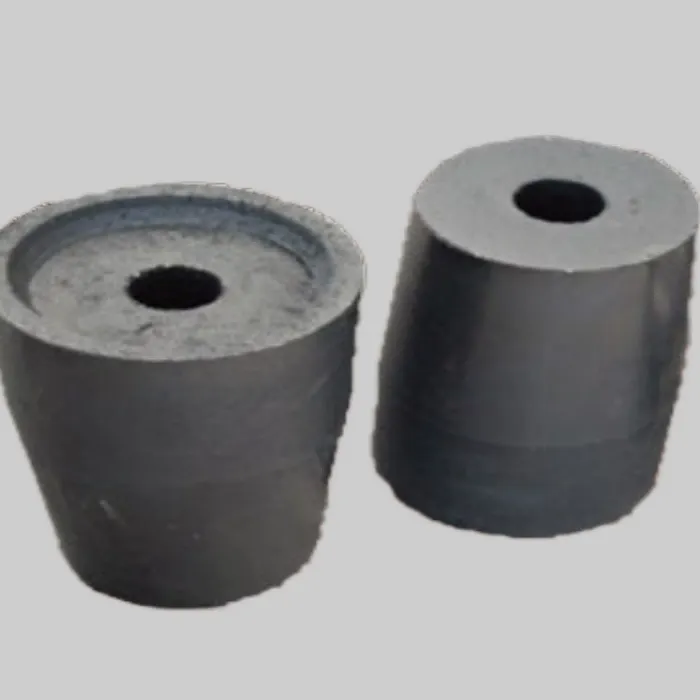
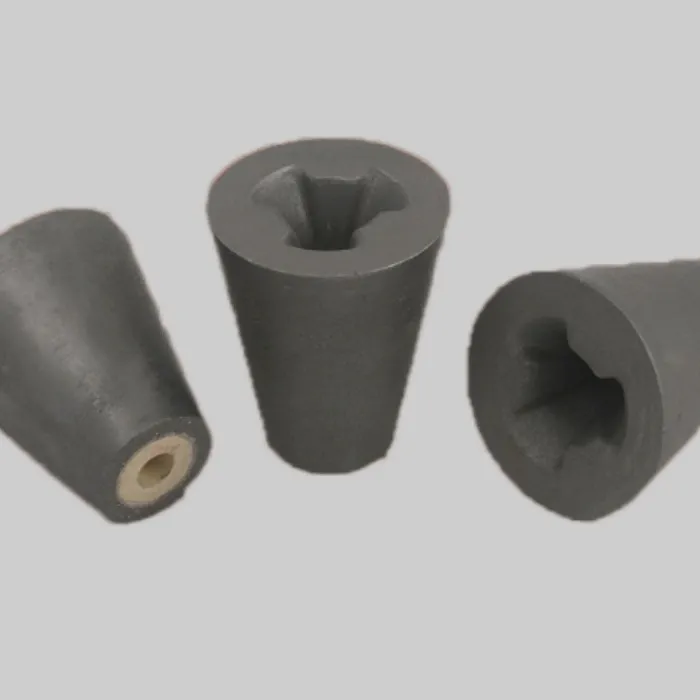
Before we explore the challenges, let's briefly understand what a tundish nozzle is. A Tundish Nozzle is a refractory component that controls the flow of molten steel from the tundish to the continuous casting mold. It is designed to withstand high temperatures, chemical erosion, and mechanical stress, ensuring the quality and consistency of the steel product. There are different types of tundish nozzles, such as Zirconium Sizing Nozzle and Refractory Collector Nozzle, each serving specific functions in the steelmaking process.
Challenges in Tundish Nozzle Development
1. High - Temperature Resistance
One of the most significant challenges in tundish nozzle development is the need for high - temperature resistance. Molten steel typically has a temperature in the range of 1500 - 1700°C. At such extreme temperatures, the nozzle material must maintain its structural integrity and physical properties. If the nozzle deteriorates under high heat, it can lead to inconsistent steel flow, clogging, and even leakage, which poses a serious safety hazard and affects the quality of the final steel product.
To address this challenge, we need to select refractory materials with excellent high - temperature performance. For example, zirconia - based materials are known for their high melting points and good thermal stability. By carefully formulating the material composition and optimizing the manufacturing process, we can enhance the high - temperature resistance of the tundish nozzle. Additionally, advanced insulation techniques can be employed to reduce heat transfer and protect the nozzle from excessive thermal stress.
2. Chemical Erosion
Molten steel contains various chemical elements and impurities that can react with the nozzle material, causing chemical erosion. This erosion can gradually thin the nozzle wall, change its inner diameter, and ultimately disrupt the steel flow. Common corrosive agents in molten steel include sulfur, phosphorus, and oxygen. Moreover, the slag layer on top of the molten steel can also be highly corrosive to the nozzle.
To combat chemical erosion, we can use corrosion - resistant materials. For instance, some advanced refractory materials are specifically designed to resist the chemical attack of molten steel and slag. Surface coating technologies can also be applied to create a protective barrier between the nozzle and the corrosive environment. By regularly monitoring the chemical composition of the molten steel and adjusting the nozzle material and coating accordingly, we can effectively reduce the impact of chemical erosion.
3. Clogging
Clogging is another major issue in tundish nozzle development. It can occur due to the deposition of non - metallic inclusions in the molten steel, such as alumina. These inclusions can accumulate inside the nozzle, reducing the flow area and eventually blocking the steel flow. Clogging not only disrupts the continuous casting process but also requires costly downtime for maintenance and cleaning.
To prevent clogging, we can implement several strategies. Firstly, improving the steelmaking process to reduce the amount of non - metallic inclusions in the molten steel is crucial. This can be achieved through better refining techniques and the use of additives. Secondly, the design of the nozzle can be optimized to promote a more uniform steel flow and prevent the accumulation of inclusions. For example, using a larger inner diameter or a special internal structure can help reduce the likelihood of clogging. Additionally, anti - clogging coatings can be applied to the inner surface of the nozzle to prevent the adhesion of inclusions.
4. Mechanical Stress
During the steel casting process, the tundish nozzle is subjected to various mechanical stresses, including thermal shock, vibration, and the pressure of the flowing molten steel. These stresses can cause cracks and fractures in the nozzle, which can lead to leakage and other operational problems.
To overcome mechanical stress, we need to focus on the mechanical properties of the nozzle material. Selecting materials with high strength, toughness, and good thermal shock resistance is essential. The manufacturing process can also be adjusted to improve the internal structure of the nozzle and enhance its resistance to mechanical stress. For example, proper heat treatment can relieve internal stresses and improve the overall mechanical performance of the nozzle.
Strategies for Overcoming Challenges
1. Research and Development
Investing in research and development is crucial for overcoming the challenges in tundish nozzle development. By collaborating with research institutions and universities, we can stay at the forefront of materials science and manufacturing technology. We can explore new materials, innovative manufacturing processes, and advanced testing methods. For example, using computational modeling to simulate the behavior of the tundish nozzle under different conditions can help us predict potential problems and optimize the design and material selection.
2. Quality Control
Strict quality control is essential throughout the production process. From raw material selection to the final product inspection, every step should be carefully monitored. We need to establish comprehensive quality control standards and procedures to ensure that each tundish nozzle meets the required specifications. Regular testing of the nozzle's physical and chemical properties, such as density, porosity, and corrosion resistance, can help us identify any potential issues early on and take corrective actions.
3. Customer Feedback and Collaboration
Listening to our customers' feedback is invaluable in tundish nozzle development. Our customers, who are directly involved in the steelmaking process, can provide us with real - world insights into the performance of our nozzles. By collaborating closely with them, we can understand their specific needs and challenges and develop customized solutions. For example, if a customer experiences frequent clogging in a particular steelmaking process, we can work with them to develop a more effective anti - clogging nozzle.
Conclusion
Developing high - quality tundish nozzles is a complex and challenging task that requires us to address multiple issues, including high - temperature resistance, chemical erosion, clogging, and mechanical stress. By investing in research and development, implementing strict quality control measures, and collaborating closely with our customers, we can overcome these challenges and produce tundish nozzles that meet the demanding requirements of the steelmaking industry.
As a tundish nozzle supplier, we are committed to providing our customers with the best - in - class products and solutions. If you are in the steelmaking industry and are facing challenges with your tundish nozzles, or if you are interested in exploring our product range, we encourage you to reach out to us for further discussion and potential procurement opportunities.
References
- "Refractories for the Steel Industry" by John Doe, published by Steel Publishing House, 20XX.
- "Advanced Materials for High - Temperature Applications" by Jane Smith, Journal of Materials Science, Vol. XX, Issue XX, 20XX.
- "Continuous Casting Technology and Its Components" by Robert Brown, Steelmaking Research Institute, 20XX.