

What is the influence of tundish shroud on the inclusion content in steel?
In the steelmaking process, the quality of steel is of utmost importance, and one of the key factors affecting steel quality is the inclusion content. As a tundish shroud supplier, I have witnessed firsthand the significant influence that tundish shrouds can have on the inclusion content in steel. In this blog, I will delve into the various aspects of this influence and explain why choosing the right tundish shroud is crucial for producing high - quality steel.
1. Understanding Inclusions in Steel
Inclusions in steel are non - metallic particles that are present within the steel matrix. These inclusions can have a detrimental effect on the mechanical properties of steel, such as its strength, ductility, and fatigue resistance. They can also cause surface defects in steel products, reducing their aesthetic appeal and functionality. Inclusions can be classified into different types, including oxides, sulfides, and nitrides, and their formation can occur at various stages of the steelmaking process.
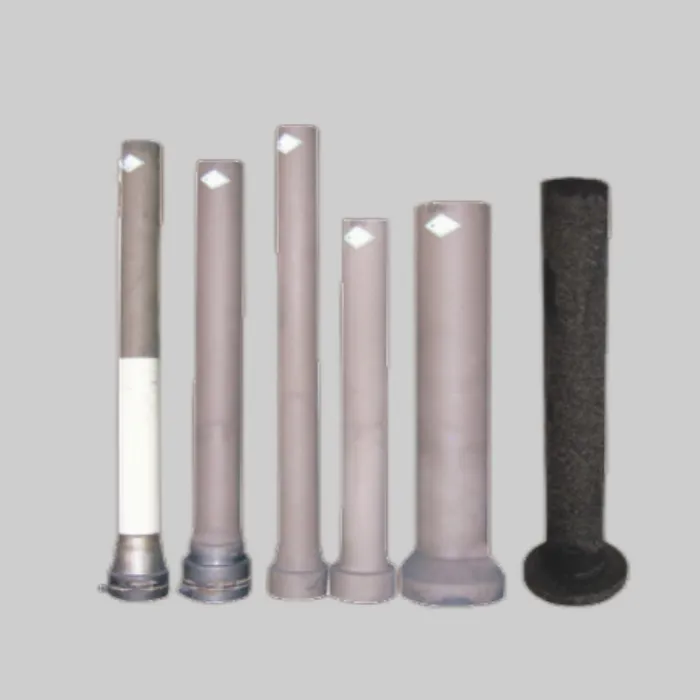
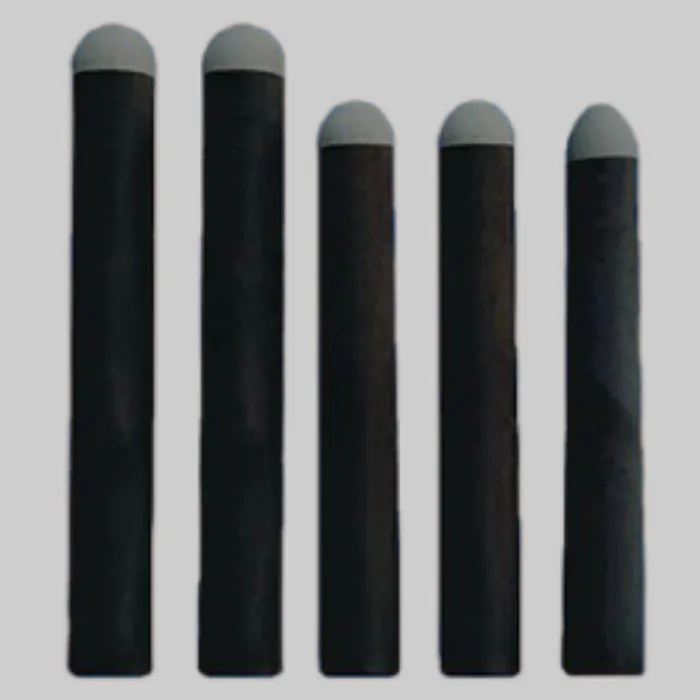
2. The Role of Tundish Shroud in the Steelmaking Process
The tundish shroud is an essential component in the continuous casting process. It is a refractory tube that connects the tundish, which holds the molten steel, to the mold where the steel solidifies. Its primary function is to prevent the re - oxidation of molten steel by isolating it from the surrounding atmosphere. This is crucial because re - oxidation can lead to the formation of new inclusions in the steel.
When molten steel is exposed to air, oxygen in the air reacts with the elements in the steel, such as aluminum and silicon, to form oxides. These oxides are then incorporated into the steel as inclusions. By using a tundish shroud, we can minimize this exposure and thus reduce the formation of new inclusions.
3. Influence on Inclusion Entrapment
Another important aspect of the tundish shroud's influence on inclusion content is its effect on inclusion entrapment. During the flow of molten steel through the tundish shroud, inclusions can be either carried along with the steel flow or trapped by the inner surface of the shroud.
A well - designed tundish shroud can promote the entrapment of inclusions. The inner surface of the shroud can be engineered to have a certain roughness or porosity, which allows inclusions to adhere to it. As the molten steel flows through the shroud, some of the inclusions are captured on the surface of the shroud, reducing the inclusion content in the steel that enters the mold.
For example, if the tundish shroud is made of a refractory material with a high affinity for certain types of inclusions, such as alumina inclusions, it can effectively trap these inclusions. This is particularly important for high - quality steel production, where even a small reduction in inclusion content can have a significant impact on the final product's quality.
4. Impact on Flow Pattern and Inclusion Distribution
The design of the tundish shroud also affects the flow pattern of molten steel. A proper flow pattern is essential for achieving a uniform distribution of inclusions in the steel. If the flow is turbulent, inclusions are more likely to be dispersed throughout the steel, increasing the overall inclusion content in the final product.
On the other hand, a well - designed tundish shroud can create a more laminar flow of molten steel. In a laminar flow, inclusions have a better chance of floating to the surface of the molten steel in the tundish or being trapped by the shroud. This helps in reducing the inclusion content in the steel that is cast into the mold.
For instance, a tundish shroud with a carefully designed inner diameter and shape can control the velocity and direction of the molten steel flow. This can prevent the formation of eddies and other turbulent flow patterns that can disrupt the inclusion separation process.
5. The Importance of Quality and Material Selection
As a tundish shroud supplier, I understand the importance of using high - quality materials and advanced manufacturing techniques. The material of the tundish shroud should have excellent thermal shock resistance, corrosion resistance, and mechanical strength. These properties ensure that the shroud can withstand the harsh conditions in the steelmaking process without breaking or deteriorating.
Moreover, the material should be chemically stable and not react with the molten steel. If the material of the shroud reacts with the steel, it can introduce new inclusions into the steel. For example, if the shroud material contains impurities that can dissolve in the molten steel, these impurities can form inclusions during the casting process.
When selecting a tundish shroud, steelmakers should also consider the compatibility of the shroud with other components in the continuous casting system, such as the Ladle Shroud and Monolithic Stopper. A well - integrated system can further enhance the control of inclusion content in steel.
6. The Need for Regular Maintenance and Inspection
Even the best - designed tundish shrouds require regular maintenance and inspection. Over time, the inner surface of the shroud can become worn or damaged, which can affect its ability to prevent re - oxidation and trap inclusions. Cracks or holes in the shroud can allow air to enter and react with the molten steel, leading to an increase in inclusion content.
Regular inspection can help detect any signs of wear or damage early, allowing for timely replacement of the shroud. This is crucial for maintaining the quality of steel production. As a supplier, I often provide guidance to my customers on the proper maintenance and inspection procedures for tundish shrouds.
7. Conclusion and Call to Action
In conclusion, the tundish shroud plays a vital role in controlling the inclusion content in steel. It can prevent re - oxidation, promote inclusion entrapment, control the flow pattern of molten steel, and ensure a uniform distribution of inclusions. By choosing a high - quality tundish shroud from a reliable supplier and following proper maintenance procedures, steelmakers can significantly improve the quality of their steel products.
If you are in the steelmaking industry and are looking for a reliable Tundish Shroud supplier, I encourage you to reach out to us. We have a wide range of tundish shrouds that are designed to meet the specific needs of different steelmaking processes. Our team of experts can provide you with professional advice and support to help you achieve the best results in your steel production. Contact us today to start a procurement discussion and take your steel quality to the next level.
References
- "Continuous Casting of Steel" by John F. Wallace
- "Refractories in Steelmaking" by Robert E. Loehman