

As a seasoned supplier of castable fire bricks, I understand the critical importance of preventing defects in these essential refractory materials. Castable fire bricks are widely used in various high-temperature applications, such as industrial furnaces, kilns, and heat treatment ovens. Defects in these bricks can lead to reduced performance, shortened lifespan, and even safety hazards. In this blog post, I will share some valuable insights and practical tips on how to prevent defects in castable fire bricks.
Understanding the Causes of Defects
Before we delve into the prevention strategies, it's crucial to understand the common causes of defects in castable fire bricks. Some of the primary factors include:
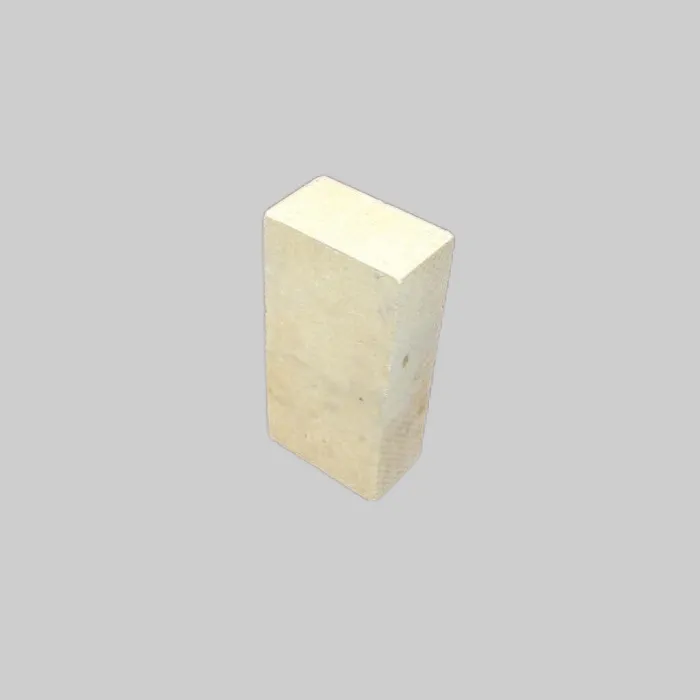
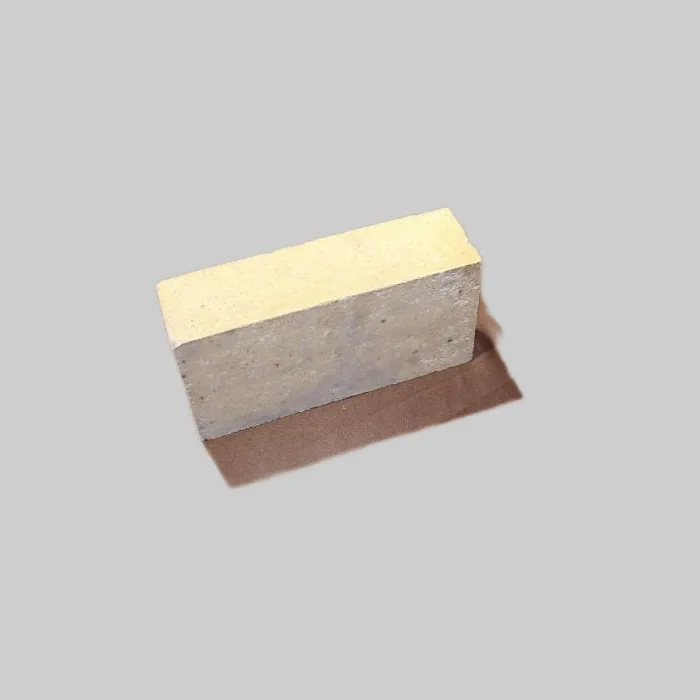
- Improper Mixing: Inadequate mixing of the castable materials can result in uneven distribution of the binder and aggregates, leading to weak spots and inconsistent properties in the bricks.
- Incorrect Water Content: Using too much or too little water during the mixing process can significantly affect the workability and strength of the castable. Excess water can cause segregation and shrinkage cracks, while insufficient water can lead to poor compaction and reduced density.
- Poor Molding and Casting Techniques: Improper molding and casting procedures, such as inadequate vibration or improper filling, can result in voids, air pockets, and uneven surfaces in the bricks.
- Inadequate Curing: Insufficient curing time or improper curing conditions can prevent the castable from achieving its full strength and durability. This can lead to cracking, spalling, and reduced resistance to thermal shock.
- Contamination: The presence of impurities or foreign materials in the raw materials or during the manufacturing process can contaminate the castable and cause defects.
- Thermal Stress: Rapid heating or cooling cycles can subject the castable fire bricks to significant thermal stress, leading to cracking and structural damage.
Prevention Strategies
Now that we have identified the main causes of defects, let's explore some effective prevention strategies:
1. Quality Control of Raw Materials
- Source High-Quality Materials: Ensure that you source your raw materials from reputable suppliers who adhere to strict quality standards. This includes the aggregates, binders, and additives used in the castable formulation.
- Conduct Regular Testing: Implement a comprehensive quality control program to test the raw materials for their chemical composition, particle size distribution, and other relevant properties. This will help you identify any potential issues early on and take corrective actions.
2. Proper Mixing
- Follow the Manufacturer's Instructions: Carefully follow the manufacturer's guidelines for mixing the castable materials. This includes the recommended water-to-cement ratio, mixing time, and sequence of addition.
- Use a Suitable Mixer: Select a mixer that is appropriate for the volume and type of castable you are working with. Ensure that the mixer is clean and in good working condition to prevent contamination.
- Achieve Homogeneous Mixing: Mix the castable materials thoroughly to ensure a homogeneous distribution of the binder and aggregates. This will help to eliminate weak spots and ensure consistent properties throughout the bricks.
3. Correct Water Content
- Determine the Optimal Water-to-Cement Ratio: Conduct tests to determine the optimal water-to-cement ratio for your specific castable formulation. This will ensure that the castable has the right workability and strength.
- Measure Water Accurately: Use a calibrated measuring device to ensure that you add the correct amount of water during the mixing process. Avoid adding excess water, as this can lead to segregation and shrinkage cracks.
4. Proper Molding and Casting Techniques
- Prepare the Molds Properly: Clean and lubricate the molds before use to prevent the castable from sticking. Ensure that the molds are the correct size and shape and are free from any defects.
- Fill the Molds Correctly: Fill the molds slowly and evenly to prevent the formation of voids and air pockets. Use a vibrating table or a vibrator to remove any trapped air and ensure proper compaction.
- Follow the Recommended Casting Procedure: Follow the manufacturer's instructions for casting the castable, including the recommended pouring rate, height, and sequence. This will help to ensure a uniform and consistent structure in the bricks.
5. Adequate Curing
- Follow the Curing Schedule: Adhere to the recommended curing schedule provided by the manufacturer. This typically involves keeping the castable moist and at a suitable temperature for a specified period of time.
- Use a Curing Compound: Consider using a curing compound to prevent the evaporation of water from the castable surface and promote proper hydration. This will help to ensure that the castable achieves its full strength and durability.
- Avoid Rapid Temperature Changes: During the curing process, avoid exposing the castable to rapid temperature changes, as this can cause thermal stress and cracking.
6. Contamination Prevention
- Maintain a Clean Working Environment: Keep the manufacturing area clean and free from dust, debris, and other contaminants. Use proper storage and handling procedures to prevent the raw materials from being contaminated.
- Implement a Cleaning and Sanitization Program: Regularly clean and sanitize the equipment, tools, and molds used in the manufacturing process to prevent the buildup of dirt and bacteria.
- Train Your Employees: Provide your employees with proper training on the importance of contamination prevention and the correct procedures for handling and storing the raw materials and castable products.
7. Thermal Stress Management
- Design for Thermal Expansion: When designing the castable fire brick installation, consider the thermal expansion properties of the materials and allow for adequate expansion joints. This will help to prevent cracking and structural damage due to thermal stress.
- Control the Heating and Cooling Rates: During the initial startup and shutdown of the equipment, control the heating and cooling rates to minimize thermal stress on the castable fire bricks. This can be achieved by using a gradual heating and cooling schedule.
- Use Thermal Insulation: Install thermal insulation around the castable fire bricks to reduce the heat transfer and minimize the thermal stress on the bricks.
Conclusion
Preventing defects in castable fire bricks is essential for ensuring their performance, durability, and safety in high-temperature applications. By understanding the common causes of defects and implementing the prevention strategies outlined in this blog post, you can significantly reduce the risk of defects and produce high-quality castable fire bricks.
As a supplier of High Temp Bricks, Refractory Concrete Bricks, and Fire Brick for Heat Treat Oven, I am committed to providing our customers with the highest quality products and technical support. If you have any questions or need further assistance in preventing defects in castable fire bricks, please do not hesitate to contact us. We look forward to working with you to meet your refractory needs.
References
- ASTM International. (Year). Standard Specification for [Specific Castable Fire Brick Type]. ASTM [Standard Number].
- National Fire Protection Association. (Year). [Relevant Standard or Code]. NFPA [Standard Number].
- Manufacturer's Technical Data Sheets for Castable Fire Bricks.