

Transporting refractory cement safely is of utmost importance for a supplier like me. Refractory cement is a specialized material used in high - temperature applications, and improper transportation can lead to quality degradation, safety hazards, and financial losses. In this blog, I will share some key aspects of safely transporting refractory cement based on my experience as a supplier.
Understanding Refractory Cement
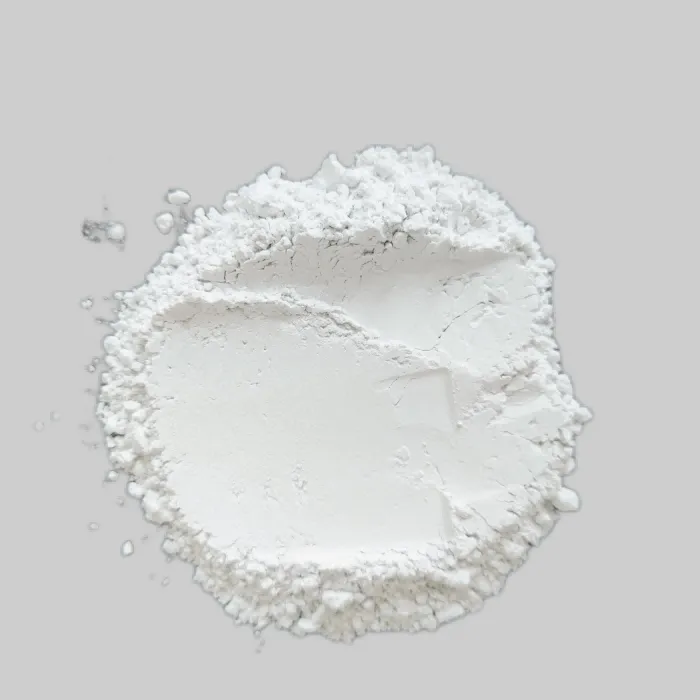
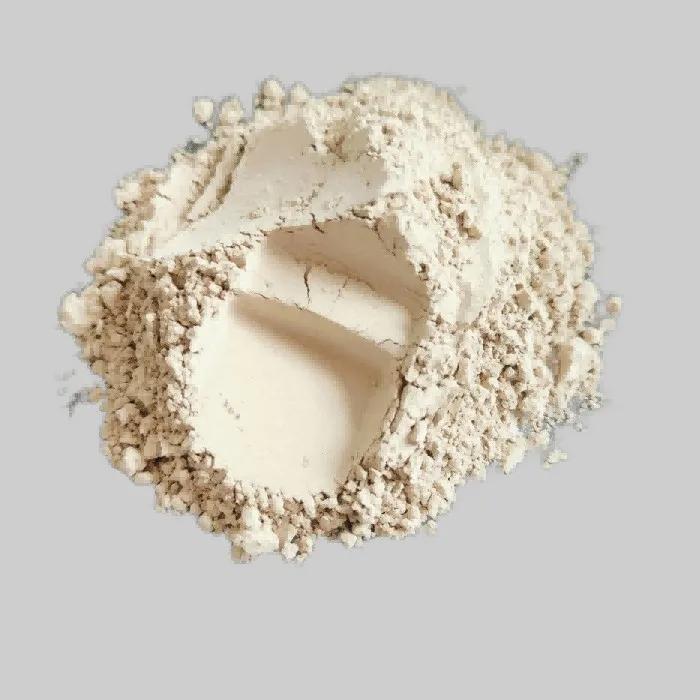
Before delving into transportation, it's essential to understand what refractory cement is. Refractory cement is designed to withstand extremely high temperatures, making it ideal for applications such as furnaces, kilns, and fireplaces. There are different types of refractory cement, including 3000f Refractory Cement, which can resist temperatures up to 3000°F, and Calcium Alumina Cement, known for its fast - setting properties and high - temperature resistance.
Packaging Considerations
The first step in safe transportation is proper packaging. Refractory cement is typically sold in bags, such as Refractory Cement 25kg. These bags should be made of high - quality, durable materials that can protect the cement from moisture, dust, and physical damage.
- Moisture Resistance: Moisture is one of the biggest enemies of refractory cement. If the cement gets wet, it can start to set prematurely, rendering it useless. Therefore, the bags should be made of moisture - resistant materials, such as polyethylene - lined paper or plastic. Additionally, it's a good idea to place desiccant packets inside the bags to absorb any excess moisture.
- Physical Protection: The bags should be strong enough to withstand the rigors of transportation. They should be able to resist tearing, puncturing, and abrasion. Reinforced seams and heavy - duty materials can help ensure the integrity of the bags during handling and transit.
Loading and Unloading
Loading and unloading refractory cement require careful attention to prevent damage to the product.
- Proper Equipment: Use appropriate equipment for loading and unloading, such as forklifts or pallet jacks. Make sure the equipment is in good working condition and the operators are trained to handle the cement bags safely.
- Stacking: When stacking the bags, follow the recommended stacking height to prevent the bottom bags from being crushed. Stack the bags in a stable manner to avoid them toppling over during transit. It's also important to leave enough space between the stacks for ventilation and easy access.
- Avoid Rough Handling: During loading and unloading, avoid dropping, throwing, or dragging the bags. Rough handling can cause the bags to break, spill the cement, and create a safety hazard.
Transportation Mode
The choice of transportation mode can significantly impact the safety of refractory cement during transit.
- Truck Transport: Trucks are a common mode of transporting refractory cement. When using trucks, ensure that the truck is clean and dry before loading the cement. Cover the load with a tarp to protect it from rain, wind, and dust. Secure the bags properly to prevent them from shifting during transit, which could cause damage to the bags and the cement inside.
- Rail Transport: Rail transport can be a cost - effective option for long - distance transportation. However, it's important to use well - maintained railcars and ensure that the cement bags are properly secured. Railcars may experience more vibrations and jolts compared to trucks, so extra care should be taken to prevent damage.
- Ship Transport: If transporting refractory cement overseas, ship transport may be necessary. In this case, the cement should be packed in shipping containers. The containers should be sealed to prevent moisture ingress and the bags should be stacked and secured properly to withstand the movement of the ship.
Environmental Conditions
Environmental conditions during transportation can also affect the quality of refractory cement.
- Temperature: Refractory cement should be transported within a suitable temperature range. Extreme heat or cold can affect the properties of the cement. For example, high temperatures can cause the cement to dry out faster, while freezing temperatures can damage the bag material and the cement itself. If necessary, use temperature - controlled transportation methods to maintain a stable environment.
- Humidity: As mentioned earlier, humidity can be a major issue. Try to avoid transporting the cement in areas with high humidity or during rainy seasons. If transportation during such conditions is unavoidable, take extra precautions to protect the cement from moisture.
Monitoring and Inspection
Throughout the transportation process, it's important to monitor and inspect the refractory cement regularly.
- Visual Inspection: Conduct visual inspections at regular intervals, such as before loading, during transit stops, and after unloading. Check for any signs of damage to the bags, such as tears, holes, or wet spots. If any damaged bags are found, they should be removed and replaced immediately to prevent contamination of the other bags.
- Quality Testing: In some cases, it may be necessary to conduct quality testing on the refractory cement after transportation. This can include tests for strength, setting time, and chemical composition. If the quality of the cement has been compromised during transportation, appropriate measures should be taken, such as rejecting the shipment or providing a replacement.
Regulatory Compliance
When transporting refractory cement, it's important to comply with all relevant regulations.
- Local Regulations: Different regions may have specific regulations regarding the transportation of hazardous materials, including refractory cement. Make sure to familiarize yourself with these regulations and ensure that your transportation practices are in line with them.
- International Regulations: If transporting refractory cement across international borders, you need to comply with international regulations, such as those set by the International Maritime Organization (IMO) for sea transport and the International Air Transport Association (IATA) for air transport.
Conclusion
Transporting refractory cement safely requires a comprehensive approach that takes into account packaging, loading and unloading, transportation mode, environmental conditions, monitoring, and regulatory compliance. By following these guidelines, I, as a refractory cement supplier, can ensure that the product reaches its destination in good condition, maintaining its quality and performance.
If you are interested in purchasing refractory cement or have any questions about its transportation or use, I would be more than happy to assist you. Please feel free to contact me for further discussions and procurement negotiations.
References
- ASTM International. (Year). Standard specifications for refractory cement. ASTM C - XXXX.
- National Fire Protection Association. (Year). Fire protection standards related to the storage and transportation of refractory materials. NFPA - XXXX.
- International Maritime Organization. (Year). International Maritime Dangerous Goods (IMDG) Code.