

Continuous casting is a crucial process in the steelmaking industry, where refractory nozzles play an indispensable role. These nozzles are responsible for controlling the flow of molten steel from the ladle to the tundish and then to the mold, ensuring a smooth and efficient casting operation. However, refractory nozzles often encounter various problems during use, which can significantly affect the quality of the steel and the efficiency of the casting process. As a refractory nozzle supplier, I understand these issues well and have developed effective solutions over the years. In this blog, I will share some common problems of refractory nozzles in continuous casting and how to solve them.
Common Problems of Refractory Nozzles in Continuous Casting
Erosion and Corrosion
One of the most common problems of refractory nozzles is erosion and corrosion. The molten steel flowing through the nozzles has a very high temperature and contains various chemical elements, which can cause severe erosion and corrosion of the nozzle materials. Over time, the inner surface of the nozzle may become rough, and the nozzle diameter may increase, leading to an unstable flow of molten steel and affecting the quality of the cast product.
Clogging
Clogging is another significant problem in continuous casting. Non - metallic inclusions in the molten steel, such as alumina, can accumulate inside the nozzle, gradually reducing the flow area and eventually blocking the nozzle. This can cause interruptions in the casting process, leading to production delays and increased costs.
Thermal Shock
Refractory nozzles are subjected to rapid temperature changes during the continuous casting process. When the cold nozzle comes into contact with the hot molten steel, it experiences thermal shock, which can cause cracking and spalling of the nozzle material. These cracks can further accelerate erosion and corrosion, reducing the service life of the nozzle.
Solutions to the Problems of Refractory Nozzles
Material Selection
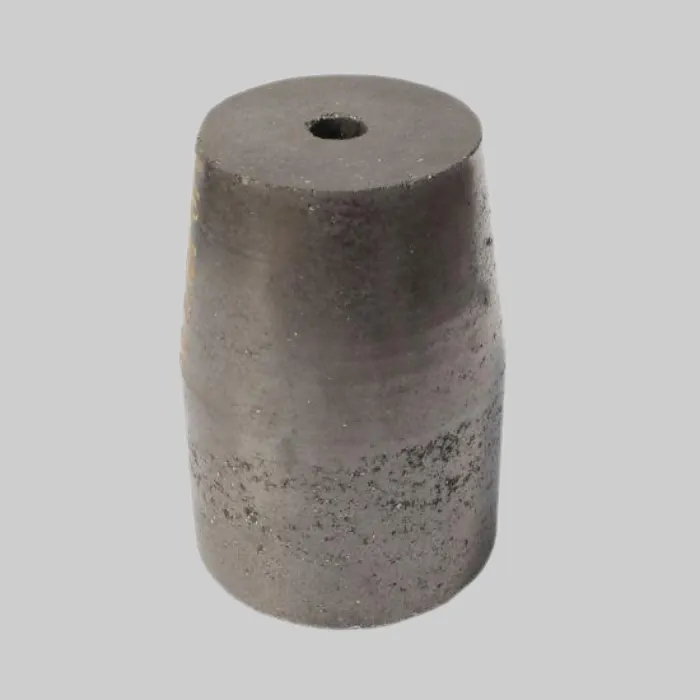
Choosing the right refractory material is the first step in solving the problems of refractory nozzles. Different materials have different properties in terms of erosion resistance, corrosion resistance, and thermal shock resistance. For example, Refractory Ladle Nozzle made of high - alumina materials are often used in ladles due to their good erosion and corrosion resistance. Zirconium - based materials, such as those used in Zirconium Sizing Nozzle, have excellent thermal shock resistance and can maintain their shape and performance under high - temperature conditions.
In addition, composite materials can also be used to combine the advantages of different materials. For example, a nozzle with a zirconium core and a high - alumina outer layer can provide both good thermal shock resistance and erosion resistance.
Coating Technology
Applying a protective coating on the inner surface of the refractory nozzle can effectively improve its erosion and corrosion resistance. The coating can act as a barrier between the molten steel and the nozzle material, reducing the direct contact and chemical reaction. There are various types of coatings available, such as ceramic coatings and carbon - based coatings. These coatings can be applied by spraying, dipping, or brushing methods.
For example, a ceramic coating can provide a hard and smooth surface, which can reduce the adhesion of non - metallic inclusions and prevent clogging. Carbon - based coatings can improve the thermal shock resistance of the nozzle by absorbing and dissipating the thermal stress.
Design Optimization
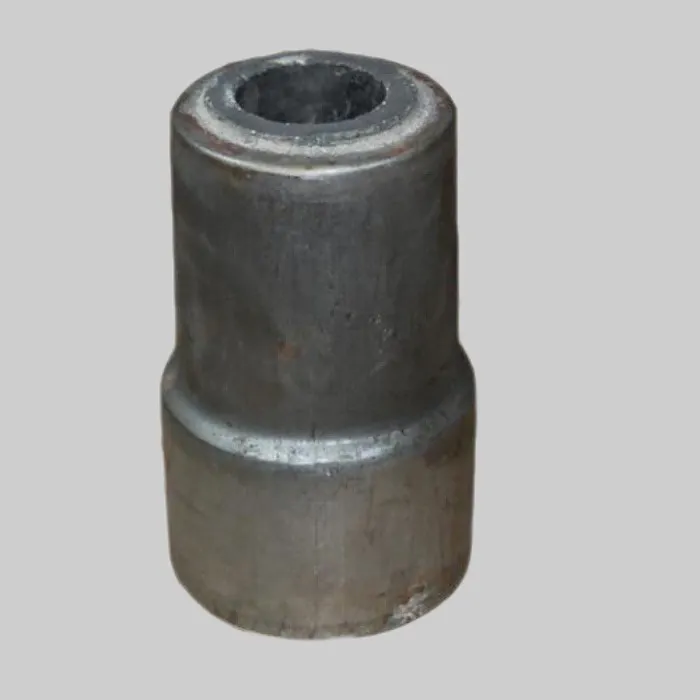
The design of the refractory nozzle also plays an important role in solving the problems. An optimized nozzle design can ensure a uniform flow of molten steel, reduce the occurrence of turbulence, and minimize the erosion and corrosion of the nozzle. For example, a well - designed Tundish Nozzle can control the flow rate and direction of the molten steel, ensuring a stable and efficient casting process.
In addition, the shape and size of the nozzle should be carefully selected according to the specific requirements of the continuous casting process. For example, a larger nozzle diameter may be used for high - flow - rate casting, while a smaller diameter may be suitable for low - flow - rate or precision casting.
Operation and Maintenance
Proper operation and maintenance are essential for the long - term performance of refractory nozzles. Before using the nozzle, it should be pre - heated to reduce the thermal shock. During the casting process, the temperature and flow rate of the molten steel should be carefully monitored and controlled to ensure a stable operation.
Regular inspection and cleaning of the nozzles are also necessary. After each casting cycle, the nozzles should be inspected for any signs of damage, such as cracks, erosion, or clogging. If any problems are found, appropriate measures should be taken immediately, such as repairing or replacing the nozzle.
Quality Control and Testing
As a refractory nozzle supplier, we implement strict quality control measures throughout the production process. From raw material selection to final product inspection, every step is carefully monitored to ensure the quality and performance of the nozzles.
We also conduct various tests on the nozzles, including physical and chemical property tests, erosion and corrosion tests, and thermal shock tests. These tests can help us to identify any potential problems and make necessary improvements to the product.
Case Studies
Let me share some real - world case studies to illustrate how we have solved the problems of refractory nozzles for our customers.
One of our customers was experiencing severe clogging problems in their continuous casting process. After analyzing the situation, we recommended using a Zirconium Sizing Nozzle with a special ceramic coating. The ceramic coating effectively reduced the adhesion of non - metallic inclusions, and the zirconium material provided good thermal shock resistance. As a result, the clogging problem was significantly reduced, and the casting efficiency was improved.
Another customer had issues with erosion and corrosion of their Refractory Ladle Nozzle. We suggested using a high - alumina composite material with a protective carbon - based coating. The composite material provided excellent erosion and corrosion resistance, and the carbon - based coating further enhanced the thermal shock resistance. After implementing these solutions, the service life of the ladle nozzles was extended, and the production costs were reduced.
Conclusion
In conclusion, the problems of refractory nozzles in continuous casting can have a significant impact on the quality and efficiency of the steelmaking process. However, by choosing the right materials, applying appropriate coating technologies, optimizing the design, and ensuring proper operation and maintenance, these problems can be effectively solved.
As a professional refractory nozzle supplier, we are committed to providing high - quality products and solutions to our customers. We have a team of experienced engineers and technicians who can offer customized solutions based on the specific requirements of each customer.
If you are facing problems with refractory nozzles in your continuous casting process, or if you are interested in learning more about our products and services, please feel free to contact us. We are looking forward to having in - depth discussions with you and establishing long - term cooperation relationships.
References
- "Continuous Casting Technology" - A comprehensive book on continuous casting processes and related technologies.
- "Refractory Materials for the Steel Industry" - A technical report that provides detailed information on the properties and applications of refractory materials in steelmaking.
- Industry research papers on the development and improvement of refractory nozzle technology.