

Hey there! As a supplier of refractory nozzles, I've been getting a lot of questions lately about how to adjust the density of these crucial components. So, I thought I'd put together this blog post to share some insights and tips based on my experience in the industry.
First off, let's talk about why density matters in refractory nozzles. The density of a refractory nozzle can have a significant impact on its performance. A nozzle with the right density will offer better resistance to wear, erosion, and thermal shock. It'll also have better mechanical strength, which means it can withstand the high pressures and temperatures that are typical in steelmaking and other industrial processes.
Understanding the Basics of Refractory Nozzle Density
Before we dive into how to adjust the density, it's important to understand what factors influence it in the first place. The density of a refractory nozzle is mainly determined by the raw materials used, the manufacturing process, and the additives incorporated.
The raw materials play a huge role. For example, using high - grade alumina or magnesia can result in a denser nozzle. These materials have high melting points and good refractory properties, which contribute to a more compact and dense structure.
The manufacturing process also has a big impact. Processes like pressing, sintering, and casting can all affect the final density. For instance, during pressing, the pressure applied can compress the raw materials more tightly, increasing the density. Sintering at the right temperature and for the right duration can also help to bond the particles together more effectively, leading to a denser product.
Adjusting the Density Through Raw Material Selection
One of the most straightforward ways to adjust the density of a refractory nozzle is by carefully selecting the raw materials. As I mentioned earlier, high - quality raw materials like alumina and magnesia can increase the density. But it's not just about the type of material; the particle size and distribution also matter.
Smaller particle sizes generally lead to a higher density. When the particles are smaller, they can pack together more tightly, leaving fewer voids in the structure. You can also mix different particle sizes to achieve a better packing density. For example, using a combination of fine and coarse particles can fill in the gaps between the larger particles with the smaller ones, resulting in a more dense product.
Another option is to use additives. Some additives can react with the raw materials during the manufacturing process to form new compounds that can increase the density. For example, adding a small amount of a binder can help to hold the particles together more firmly, improving the overall density.
Modifying the Manufacturing Process
The manufacturing process is another key area where you can adjust the density. Let's start with pressing. Increasing the pressing pressure can significantly increase the density of the refractory nozzle. However, you need to be careful not to over - press, as this can cause cracks or other defects in the nozzle.
Sintering is also crucial. The sintering temperature and time are two important parameters. Higher sintering temperatures generally lead to a denser product because they promote better particle bonding. But again, you need to find the right balance. If the temperature is too high, it can cause the material to melt or deform, which is obviously not good.
Casting is another manufacturing method, and here, the viscosity of the casting slurry can affect the density. A lower - viscosity slurry allows the particles to settle more easily, resulting in a denser structure. You can adjust the viscosity by adding or reducing the amount of water or other solvents in the slurry.
Quality Control and Testing
Once you've adjusted the density through raw material selection and manufacturing process modification, it's important to have a good quality control system in place. You can use various testing methods to ensure that the density of the refractory nozzles meets the required specifications.
One common method is the Archimedes' principle. This involves measuring the weight of the nozzle in air and then in water to calculate its density. There are also more advanced techniques like X - ray diffraction and scanning electron microscopy that can provide detailed information about the structure and density of the nozzle.
Specific Types of Refractory Nozzles
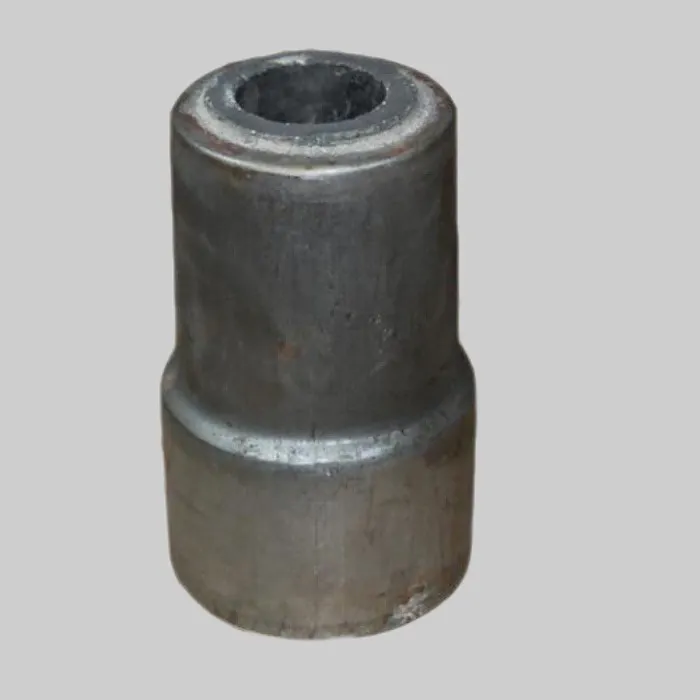
Now, let's talk about some specific types of refractory nozzles. We have Refractory Collector Nozzle, which is used to collect and direct molten metal. Adjusting the density of these nozzles is crucial because they need to withstand the high - velocity flow of molten metal. A denser nozzle will be more resistant to erosion and wear.
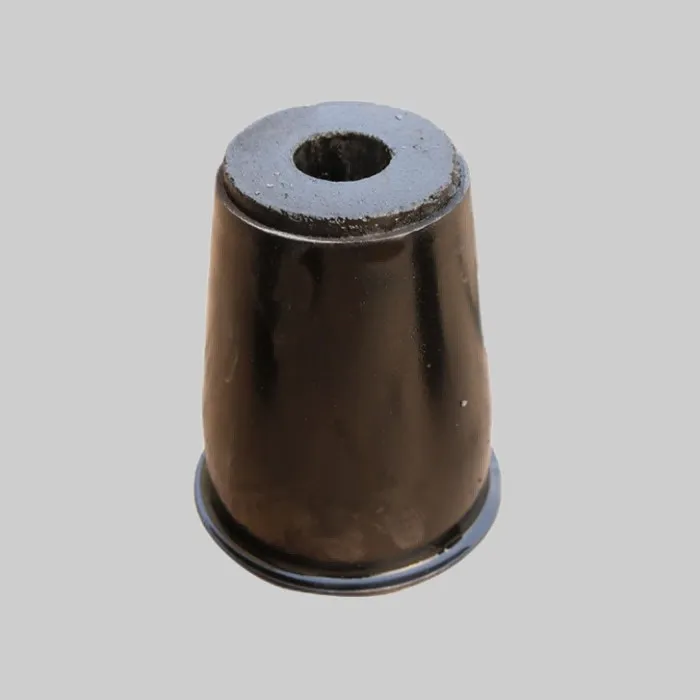
Tundish Nozzle is another important type. These nozzles are used in the tundish, which is an intermediate container in the steel - making process. The density of tundish nozzles affects their thermal shock resistance and their ability to control the flow of molten metal.
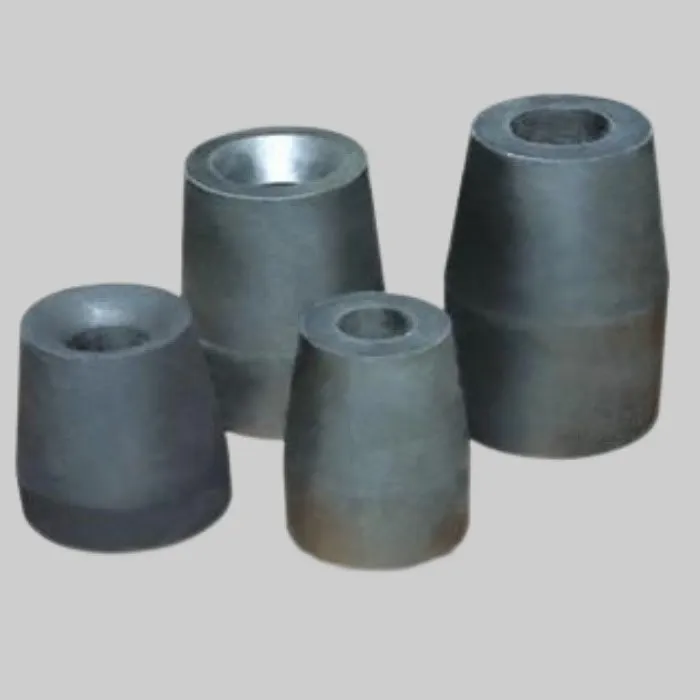
Refractory Ladle Nozzle is used in ladles, which are used to transport and pour molten metal. A proper density in these nozzles ensures that they can handle the high temperatures and pressures during the pouring process.
Conclusion
Adjusting the density of a refractory nozzle is a complex but essential process. By carefully selecting the raw materials, modifying the manufacturing process, and implementing a good quality control system, you can achieve the desired density for your nozzles. This will not only improve the performance of the nozzles but also increase their lifespan, saving you time and money in the long run.
If you're in the market for high - quality refractory nozzles and want to discuss more about density adjustment or any other related topics, feel free to reach out. We're here to help you find the best solutions for your industrial needs.
References
- "Refractory Materials: Properties, Processing, and Applications" by John Doe
- "Advanced Manufacturing Techniques for Refractory Products" by Jane Smith