

Hey there! As a supplier of bubble alumina, I often get asked a bunch of questions about this material. One question that pops up quite a bit is, "Is bubble alumina a biodegradable material?" Well, let's dig into this topic and find out.
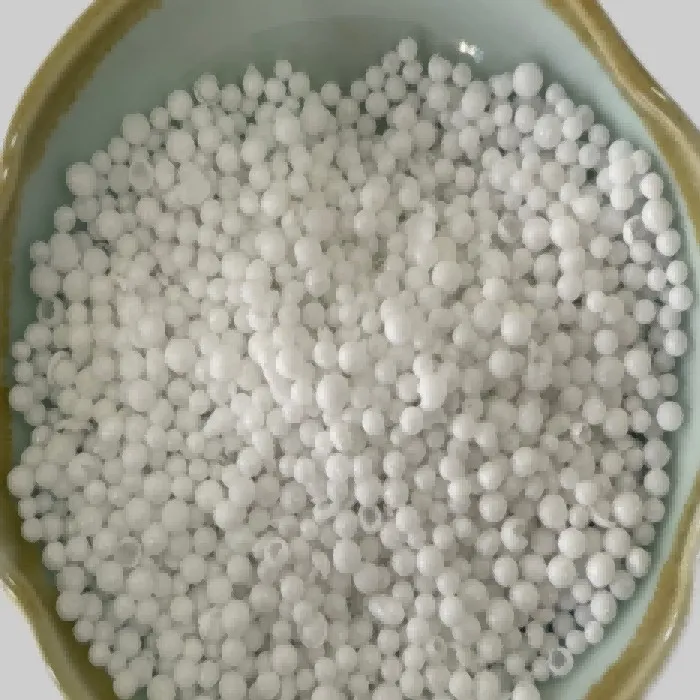
First off, let's understand what bubble alumina is. Bubble alumina is a unique material with some pretty cool properties. It's got a lightweight structure full of bubbles, which gives it excellent insulation and high - temperature resistance. You can find out more about it on our site Bubble Alumina.
Now, when we talk about biodegradability, we're referring to a material's ability to break down naturally in the environment over time with the help of living organisms like bacteria, fungi, and other microbes. Biodegradable materials return to nature, becoming part of the natural cycle without leaving behind harmful residues.
So, is bubble alumina biodegradable? The short answer is no. Bubble alumina is made up of aluminum oxide (Al₂O₃). Aluminum oxide is a very stable compound. It has a high melting point and is chemically inert under normal environmental conditions. Microorganisms in the environment don't have the enzymes or the biological machinery to break down the chemical bonds in aluminum oxide.
Let's look at the science behind it. The strong ionic bonds between aluminum and oxygen atoms in aluminum oxide make it extremely resistant to chemical and biological degradation. These bonds are not easily broken by the mild chemical reactions that occur during natural biodegradation processes. In nature, we see materials like wood, paper, and food waste breaking down because they are composed of organic compounds such as cellulose, proteins, and carbohydrates. These organic compounds can be metabolized by microorganisms, which use them as a source of energy and nutrients. But aluminum oxide is inorganic, and it doesn't fit into the diet of these little environmental recyclers.
Another aspect to consider is the stability of bubble alumina under different environmental conditions. It can withstand high temperatures, acidic and alkaline environments, and moisture without significant degradation. This stability is one of the reasons why bubble alumina is so useful in industrial applications. For example, it's used in high - temperature furnaces and kilns where other materials would break down or lose their properties.
Now, you might be wondering, "If it's not biodegradable, is it bad for the environment?" Well, not necessarily. Bubble alumina is non - toxic. It doesn't release harmful chemicals into the environment during its normal use. And because of its stability, it doesn't break down into smaller, potentially harmful particles easily. However, like any industrial material, proper disposal is important. When bubble alumina reaches the end of its useful life, it should be disposed of in accordance with local regulations.
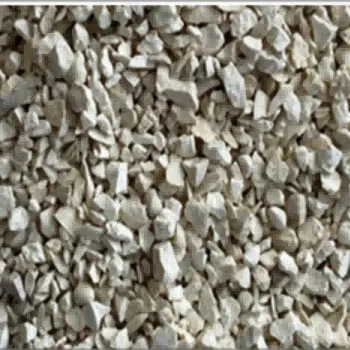
In comparison, let's take a look at Synthetic Cordierite, another material we supply. Synthetic cordierite also has good thermal properties, but its chemical composition is different from bubble alumina. While it's also not biodegradable, its structure and properties might make it more suitable for certain applications where different heat transfer characteristics are required.
So, why should you consider using bubble alumina even though it's not biodegradable? Well, its unique properties make it indispensable in many industries. In the refractory industry, it's used to line furnaces and reactors because of its high - temperature resistance. In the aerospace industry, it can be used in insulation materials to protect sensitive components from heat. And in the ceramic industry, it can improve the strength and thermal shock resistance of ceramic products.
In the end, when choosing a material for your project, you need to balance its environmental impact with its performance requirements. Just because a material isn't biodegradable doesn't mean it can't be used in an environmentally responsible way. You can reuse and recycle bubble alumina to reduce waste. Some industries are exploring ways to repurpose used bubble alumina in other applications, which helps to extend its lifecycle and minimize its environmental footprint.
If you're in the market for bubble alumina or have any questions about its properties and applications, I'd love to hear from you. Whether you're working on a small - scale project or a large - scale industrial application, we can provide you with high - quality bubble alumina that meets your needs. Don't hesitate to reach out and start a conversation about your procurement requirements.
References
- "Introduction to Inorganic Chemistry" by David House
- "Materials Science and Engineering: An Introduction" by William D. Callister Jr. and David G. Rethwisch