

Preheating is a crucial step in the installation of alumina bricks, and understanding its effects is essential for ensuring the longevity and performance of refractory linings. As an alumina brick supplier, I have witnessed firsthand the impact that preheating can have on the installation process and the overall quality of the final product. In this blog post, I will delve into the various effects of preheating on alumina brick installation, drawing on my experience and industry knowledge.
1. Drying and Moisture Removal
One of the primary effects of preheating alumina bricks is the removal of moisture. Alumina bricks, like many refractory materials, can absorb moisture during storage and transportation. If this moisture is not removed before installation, it can lead to several problems. When the bricks are exposed to high temperatures during operation, the moisture turns into steam. The rapid expansion of steam within the brick can cause cracking and spalling, which significantly reduces the integrity and lifespan of the refractory lining.
Preheating gradually raises the temperature of the bricks, allowing the moisture to evaporate slowly and safely. This process helps to prevent the sudden steam expansion that can damage the bricks. By ensuring that the bricks are dry before installation, we can minimize the risk of thermal shock and improve the overall durability of the lining.
2. Thermal Expansion and Contraction
Alumina bricks, like all materials, expand when heated and contract when cooled. During the preheating process, the bricks are gradually heated to a temperature close to their operating temperature. This allows the bricks to expand in a controlled manner before they are subjected to the full heat of the furnace or kiln.
By preheating the bricks, we can ensure that they expand uniformly. If the bricks are not preheated, the sudden exposure to high temperatures can cause uneven expansion, leading to internal stresses within the bricks. These stresses can result in cracking and warping, which can compromise the structural integrity of the lining. Additionally, preheating helps to reduce the differential expansion between the bricks and the surrounding structure, such as the furnace wall or support system. This reduces the risk of the bricks becoming loose or dislodged during operation.
3. Chemical Reactions and Bonding
Preheating can also have an impact on the chemical reactions that occur within the alumina bricks and between the bricks and the mortar or bonding material. At elevated temperatures, certain chemical reactions can take place that enhance the bonding strength between the bricks and the mortar.
For example, some types of mortar may require a specific temperature range to cure properly. Preheating the bricks and the surrounding environment to this temperature range can ensure that the mortar sets correctly and forms a strong bond with the bricks. This helps to create a more cohesive and stable lining, which is better able to withstand the mechanical and thermal stresses of the operating environment.
In addition, preheating can activate certain chemical reactions within the alumina bricks themselves. These reactions can improve the physical and chemical properties of the bricks, such as their resistance to corrosion and abrasion. By promoting these beneficial chemical reactions, preheating can enhance the overall performance of the alumina brick lining.
4. Improved Installation Efficiency
Preheating can also improve the efficiency of the installation process. When the bricks are preheated, they are more malleable and easier to handle. This makes it easier for the installation team to cut, shape, and position the bricks accurately.
In addition, preheating can reduce the time required for the bricks to reach their operating temperature after installation. This means that the furnace or kiln can be brought up to full operating capacity more quickly, reducing downtime and increasing productivity. By improving the installation efficiency, preheating can also help to reduce labor costs and minimize the overall project timeline.
5. Case Studies and Examples
To illustrate the importance of preheating in alumina brick installation, let's consider a few case studies. In a large industrial furnace project, the installation team failed to preheat the alumina bricks properly. As a result, when the furnace was brought up to operating temperature, many of the bricks cracked and spalled due to the sudden thermal shock. This led to significant downtime for repairs and replacement of the damaged bricks, resulting in substantial costs for the client.
On the other hand, in another project, the installation team followed a strict preheating protocol. The bricks were gradually heated to the recommended temperature over a period of several days. As a result, the installation process went smoothly, and the lining performed well throughout the operating life of the furnace. There were no issues with cracking or spalling, and the client was able to achieve maximum productivity with minimal maintenance.
6. Types of Alumina Bricks and Preheating Requirements
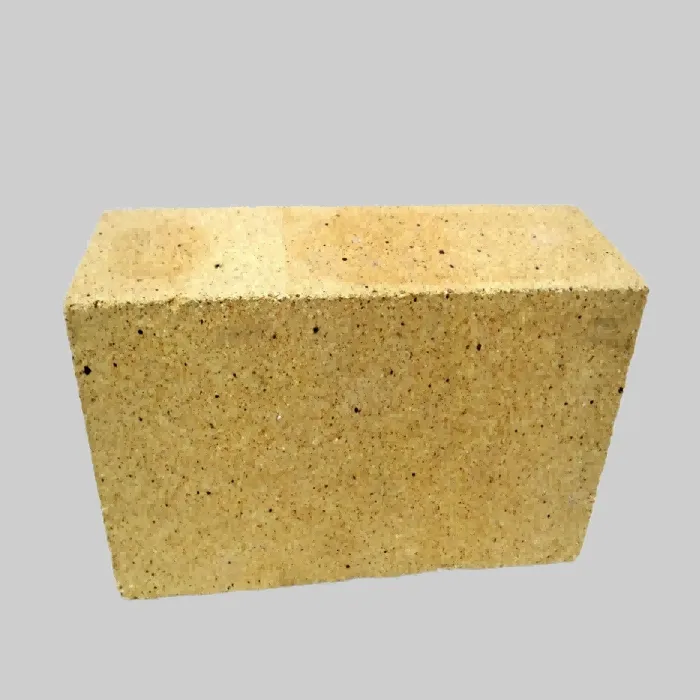
Different types of alumina bricks have different preheating requirements. For example, Sk34 Brick is a high-quality alumina brick that is commonly used in high-temperature applications. These bricks typically require a more controlled preheating process to ensure that they do not experience thermal shock.
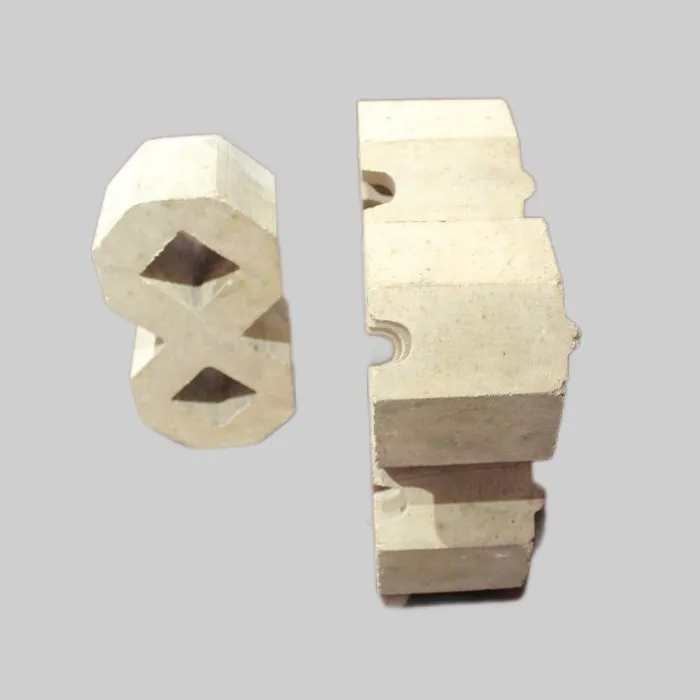
Fire Bricks with Holes are another type of alumina brick that may have specific preheating needs. The holes in these bricks can affect the way they heat up and expand, so it is important to follow the manufacturer's recommendations for preheating.
Similarly, High Heat Fire Brick is designed to withstand extremely high temperatures. These bricks often require a longer preheating time and a more gradual temperature increase to prevent cracking and ensure optimal performance.
7. Conclusion and Call to Action
In conclusion, preheating is a critical step in the installation of alumina bricks. It helps to remove moisture, control thermal expansion, promote chemical bonding, improve installation efficiency, and enhance the overall performance and durability of the refractory lining. By understanding the effects of preheating and following the appropriate preheating protocols, we can ensure that our alumina brick installations are of the highest quality.
If you are considering a project that requires alumina bricks, I encourage you to contact us to discuss your specific needs. Our team of experts can provide you with detailed information on the preheating requirements for different types of alumina bricks and help you develop a preheating plan that is tailored to your project. We are committed to providing high-quality alumina bricks and excellent customer service, and we look forward to working with you to ensure the success of your project.
References
- ASTM International. (Year). Standard test methods for physical testing of refractory materials.
- Norton, F. H. (Year). Refractories. Addison-Wesley Publishing Company.
- Smeltzer, W. W., & Baldwin, R. D. (Year). Physical Metallurgy and Advanced Materials. CRC Press.