

Is SK34 Firebrick Suitable for a Petrochemical Furnace?
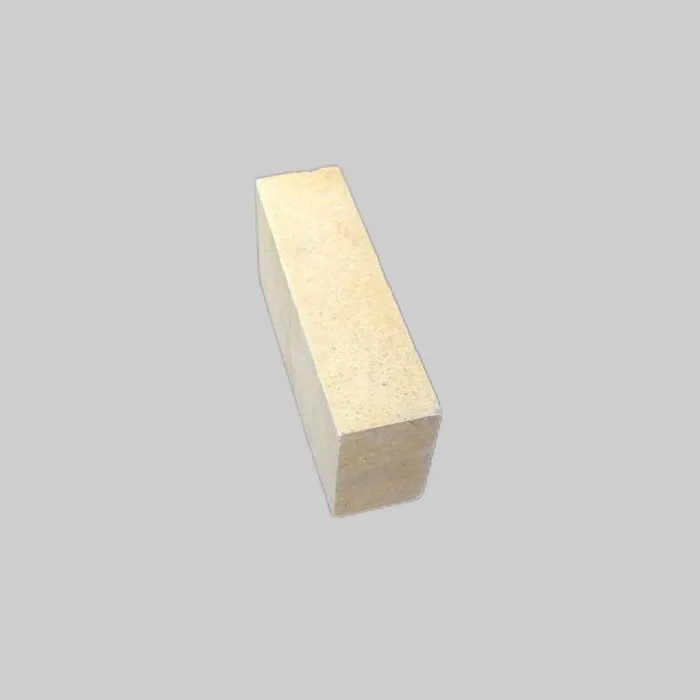
As a supplier of SK34 firebricks, I often encounter inquiries from clients in the petrochemical industry regarding the suitability of our products for their furnaces. Petrochemical furnaces operate under extremely harsh conditions, including high temperatures, corrosive environments, and mechanical stress. Therefore, choosing the right firebrick is crucial for ensuring the efficient and safe operation of these furnaces. In this blog post, I will discuss the properties of SK34 firebricks and evaluate their suitability for petrochemical furnaces.
Properties of SK34 Firebricks
SK34 firebricks are a type of high - alumina firebrick. High - alumina firebricks are known for their excellent thermal and mechanical properties, which make them suitable for a wide range of high - temperature applications.
Chemical Composition
SK34 firebricks typically contain a high percentage of alumina (Al₂O₃), usually around 34%. Alumina is a refractory oxide that provides high melting point and good chemical stability. In addition to alumina, these bricks also contain silica (SiO₂) and other minor components. The combination of alumina and silica gives SK34 firebricks their unique properties.
Thermal Properties
One of the most important properties of firebricks for petrochemical furnaces is their ability to withstand high temperatures. SK34 firebricks have a high refractoriness under load (RUL), which means they can maintain their shape and strength at elevated temperatures. The RUL of SK34 firebricks is typically above 1600°C, allowing them to resist deformation even in the extreme heat of petrochemical furnaces.
They also have low thermal conductivity. This property is beneficial because it reduces heat loss from the furnace, improving energy efficiency. By minimizing heat transfer through the furnace walls, SK34 firebricks help to maintain a stable temperature inside the furnace, which is essential for the chemical reactions taking place in petrochemical processes.
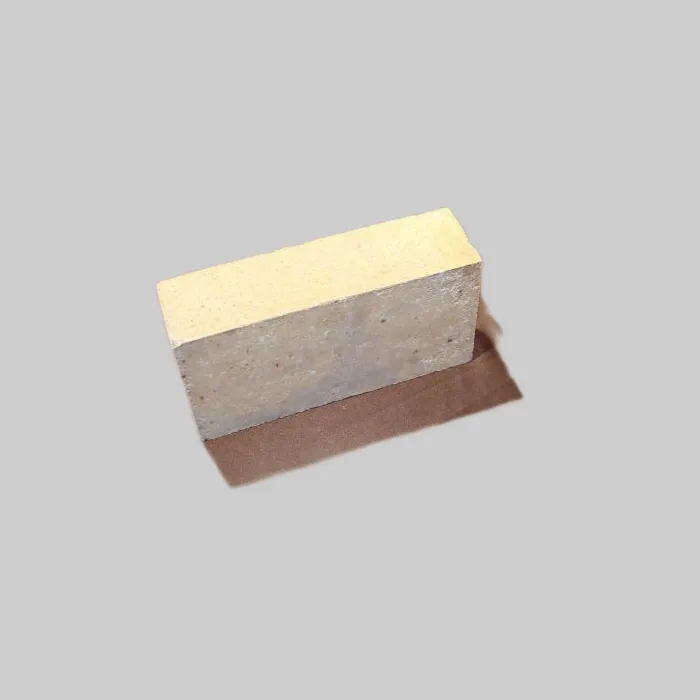
Mechanical Properties
Petrochemical furnaces are subject to mechanical stress during operation, such as vibration and thermal cycling. SK34 firebricks have good mechanical strength, which enables them to withstand these stresses without cracking or breaking. Their high strength also makes them suitable for use in the construction of furnace linings, where they need to support their own weight and the weight of other materials.
Chemical Resistance
The petrochemical environment is highly corrosive, with the presence of various chemicals such as acids, alkalis, and hydrocarbons. SK34 firebricks have good chemical resistance to these substances. The high alumina content in the bricks provides a protective layer that resists chemical attack, preventing the degradation of the bricks and ensuring the long - term stability of the furnace lining.
Suitability for Petrochemical Furnaces
High - Temperature Applications
Petrochemical furnaces often operate at temperatures ranging from 1000°C to over 1600°C. The high refractoriness under load of SK34 firebricks makes them well - suited for these high - temperature applications. They can maintain their structural integrity and insulating properties at these extreme temperatures, ensuring the safe and efficient operation of the furnace.
Corrosive Environment
As mentioned earlier, petrochemical furnaces are exposed to a variety of corrosive chemicals. The chemical resistance of SK34 firebricks helps to protect the furnace lining from corrosion, extending the service life of the furnace. This reduces the frequency of furnace repairs and replacements, resulting in cost savings for petrochemical companies.
Energy Efficiency
The low thermal conductivity of SK34 firebricks is a significant advantage in petrochemical furnaces. By reducing heat loss, these bricks help to improve the energy efficiency of the furnace. This not only reduces energy consumption but also lowers the operating costs of the petrochemical plant.
Mechanical Stability
The mechanical strength of SK34 firebricks allows them to withstand the mechanical stress associated with petrochemical furnace operation. They can resist vibration and thermal cycling, which are common in these furnaces. This mechanical stability ensures that the furnace lining remains intact, preventing the leakage of hot gases and molten materials.
Comparison with Other Firebricks
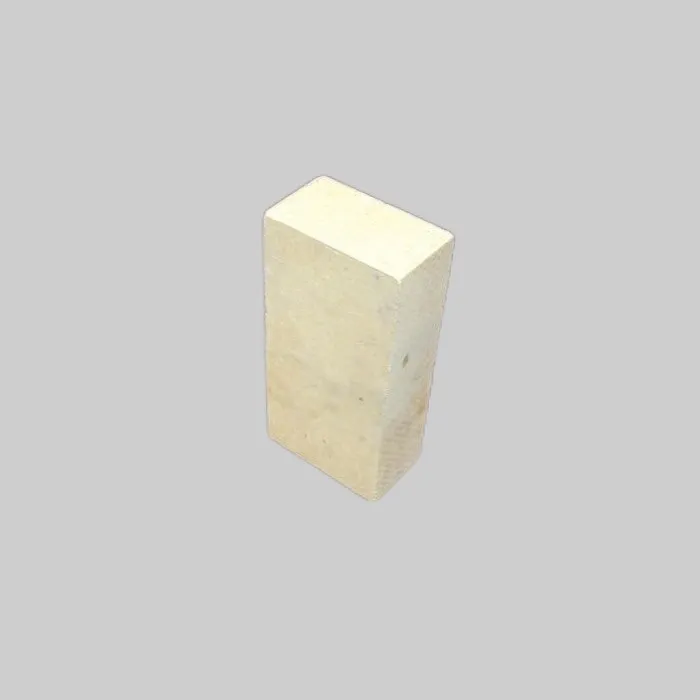
When considering the suitability of firebricks for petrochemical furnaces, it is also important to compare SK34 firebricks with other types of firebricks. For example, Large Firebrick may have different properties and applications. Large firebricks may be more suitable for certain large - scale furnace construction, but they may not have the same level of chemical resistance or thermal performance as SK34 firebricks.
High Alumina Silica Brick is another type of firebrick. While it also contains alumina and silica, the specific composition and properties of SK34 firebricks may make them more suitable for petrochemical furnaces. SK34 firebricks are specifically formulated to meet the demanding requirements of high - temperature and corrosive environments in the petrochemical industry.
Considerations for Installation and Maintenance
In addition to the properties of SK34 firebricks, proper installation and maintenance are also crucial for ensuring their performance in petrochemical furnaces. During installation, it is important to follow the manufacturer's guidelines to ensure a proper fit and seal. Any gaps or improper installation can lead to heat loss and reduced efficiency.
Regular maintenance of the furnace lining is also necessary. Inspections should be carried out periodically to check for signs of wear, corrosion, or damage. If any issues are detected, prompt repairs or replacements should be made to prevent further damage to the furnace.
Conclusion
In conclusion, SK34 firebricks are highly suitable for petrochemical furnaces. Their excellent thermal, mechanical, and chemical properties make them capable of withstanding the harsh conditions of petrochemical processes. They offer high - temperature resistance, chemical resistance, energy efficiency, and mechanical stability, all of which are essential for the efficient and safe operation of petrochemical furnaces.
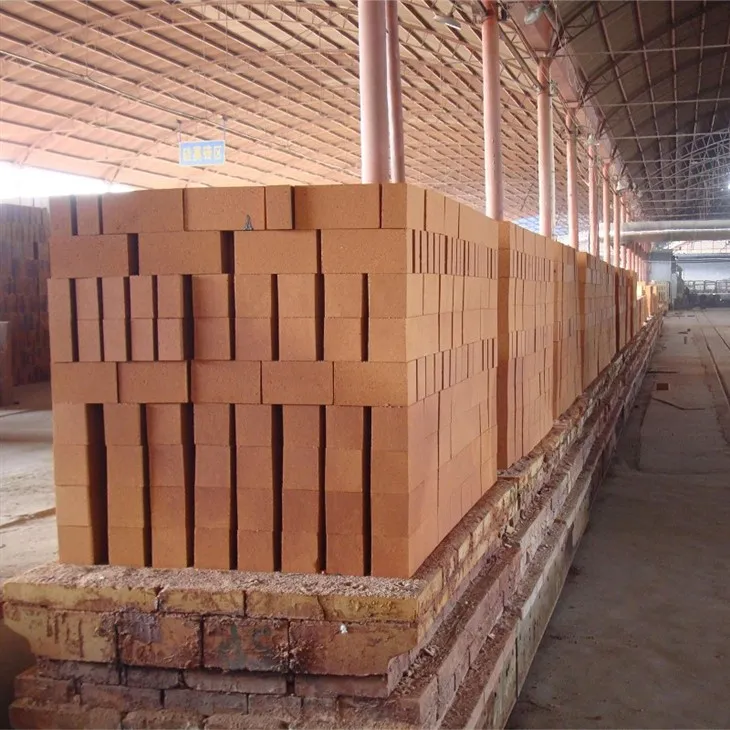
If you are in the petrochemical industry and are looking for a reliable firebrick solution for your furnace, Sk34 Brick could be the right choice for you. We, as a professional SK34 firebrick supplier, are committed to providing high - quality products and excellent service. If you have any questions or are interested in purchasing our SK34 firebricks, please feel free to contact us for further discussion and negotiation.
References
- ASTM International. Standard Test Methods for Refractory Materials. Annual Book of ASTM Standards.
- Perry, R. H., & Green, D. W. (Eds.). Perry's Chemical Engineers' Handbook. McGraw - Hill.
- Zink, R. A. (2001). Refractory Technology Handbook. Marcel Dekker.