

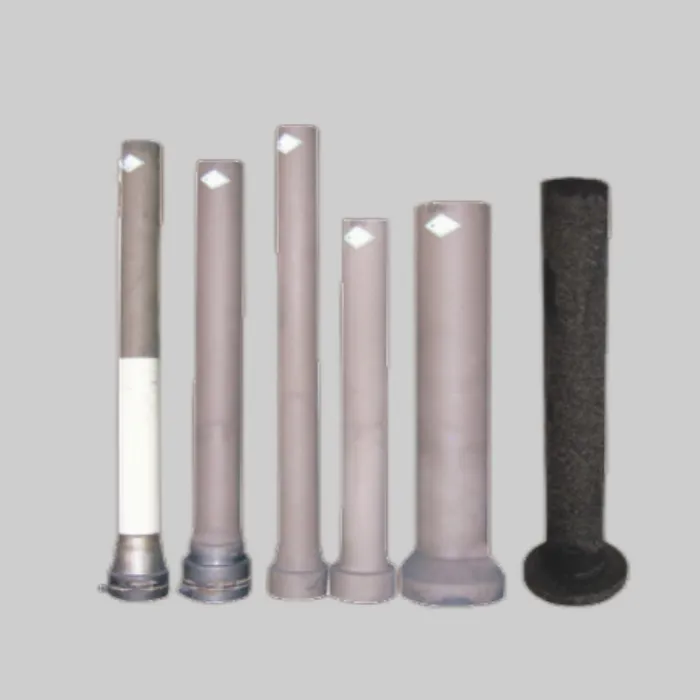
As a supplier of sub entry nozzles, I am often asked about the unique features and advantages of our self - cleaning sub entry nozzles. In this blog, I will delve into the multiple benefits that these nozzles offer, which make them an indispensable component in the continuous casting process.
1. Enhanced Productivity
One of the most significant advantages of a self - cleaning sub entry nozzle is its ability to boost productivity. During the continuous casting process, non - metallic inclusions in the molten steel can accumulate inside the nozzle, leading to clogging. Clogged nozzles disrupt the smooth flow of molten steel, forcing operators to stop the casting process to clean or replace the nozzle. This not only wastes time but also incurs additional costs.
Our self - cleaning sub entry nozzles are designed with innovative mechanisms to prevent clogging. For example, some of our models use a special gas - injection system. By injecting an inert gas, such as argon, into the nozzle, we can create a turbulent flow inside the nozzle. This turbulent flow helps to dislodge and carry away any inclusions that might otherwise stick to the inner walls of the nozzle. As a result, the casting process can run continuously for longer periods without interruptions, increasing the overall productivity of the steel - making operation.
2. Improved Steel Quality
The quality of the final steel product is highly dependent on the cleanliness of the molten steel during the casting process. When a sub entry nozzle is clogged, it can cause uneven flow of the molten steel into the mold. This uneven flow can lead to the formation of defects in the steel, such as surface cracks, porosity, and inclusions.
Our self - cleaning sub entry nozzles ensure a consistent and smooth flow of molten steel. By preventing clogging, they help to maintain a stable casting process, which in turn results in a more uniform distribution of alloying elements in the steel. This leads to a higher - quality steel product with fewer defects and better mechanical properties. For instance, in the production of high - grade automotive steel, where strict quality standards are required, the use of self - cleaning sub entry nozzles can significantly improve the yield of acceptable products.
3. Cost Savings
Cost is always a crucial factor in any industrial operation. The self - cleaning feature of our sub entry nozzles can lead to substantial cost savings in several ways. Firstly, as mentioned earlier, the reduced downtime due to clogging means that more steel can be produced in a given time frame. This increased production capacity can generate more revenue without a proportional increase in operating costs.
Secondly, the need for frequent nozzle replacements is significantly reduced. Traditional non - self - cleaning nozzles often need to be replaced after a relatively short period of use because of clogging. Our self - cleaning nozzles have a longer service life, which reduces the cost of purchasing new nozzles. Additionally, the labor cost associated with nozzle replacement and cleaning is also minimized.
4. Compatibility with Other Refractory Products
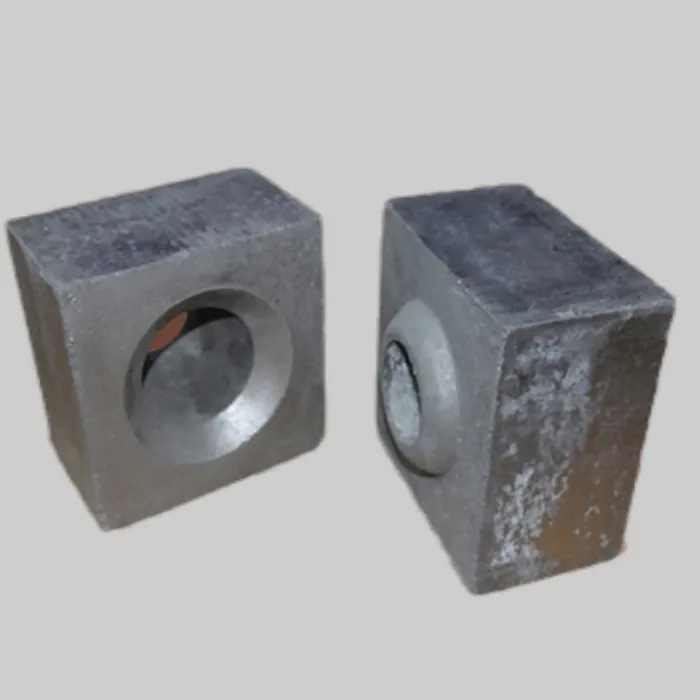
Our self - cleaning sub entry nozzles are designed to be highly compatible with other refractory products used in the continuous casting process, such as the Well Blcok, Tundish Shroud, and Monolithic Stopper. This compatibility ensures a seamless integration of the entire casting system.
For example, when used in conjunction with a well - block, the self - cleaning sub entry nozzle can work together to control the flow of molten steel from the tundish to the mold more precisely. The tundish shroud, which protects the molten steel from oxidation during its transfer from the tundish to the mold, can also function more effectively when paired with our self - cleaning sub entry nozzle. The monolithic stopper, which regulates the flow rate of molten steel, can be coordinated with the self - cleaning nozzle to optimize the casting process.
5. Environmental Benefits
In today's world, environmental considerations are of utmost importance. Our self - cleaning sub entry nozzles contribute to a more sustainable steel - making process. By reducing the frequency of nozzle replacements, less refractory material is discarded, which helps to conserve natural resources.
Moreover, the improved steel quality means that fewer defective products are produced. This reduces the energy and resources wasted in re - processing or scrapping sub - standard steel products. The use of an inert gas in the self - cleaning mechanism, such as argon, is also environmentally friendly as it does not produce harmful emissions during the casting process.
6. Customization Options
We understand that different steel - making operations have different requirements. That's why we offer a wide range of customization options for our self - cleaning sub entry nozzles. We can adjust the size, shape, and material composition of the nozzles according to the specific needs of our customers.
For example, for steel plants that produce large - diameter steel billets, we can design larger - sized self - cleaning nozzles to ensure a sufficient flow of molten steel. For operations that deal with high - temperature molten steel, we can use special refractory materials that can withstand the extreme heat. This customization ability allows our customers to optimize the performance of their casting processes and achieve the best possible results.
Contact for Procurement
If you are interested in learning more about our self - cleaning sub entry nozzles or would like to discuss a potential procurement, please feel free to reach out. Our team of experts is ready to provide you with detailed information, technical support, and customized solutions to meet your specific requirements.
References
- "Continuous Casting Technology in Steelmaking" by John Doe, published by Steel Industry Press.
- "Refractory Materials for Steel Casting" by Jane Smith, published by Refractory Research Institute.
- Industry reports on the development and application of self - cleaning sub entry nozzles in the steel industry.