

Ramming mass is a crucial refractory material widely used in large - scale industrial projects. As a ramming mass supplier, I have witnessed firsthand its diverse application cases across various industries. In this blog, I will explore some of the key application scenarios of ramming mass in large - scale industrial projects.
Steel Industry
The steel industry is one of the major consumers of ramming mass. In steelmaking furnaces, such as electric arc furnaces (EAF) and basic oxygen furnaces (BOF), ramming mass plays a vital role in lining the refractory walls and bottoms of these furnaces.
In an electric arc furnace, the intense heat generated during the melting process can reach extremely high temperatures. The ramming mass, specifically Magnesite Ramming Mass, is often used to line the hearth and sidewalls. Magnesite ramming mass has excellent refractory properties, high melting point, and good resistance to slag corrosion. It can withstand the harsh environment inside the EAF, including the impact of molten steel, the chemical attack of slag, and the thermal stress caused by rapid heating and cooling cycles.
For basic oxygen furnaces, where oxygen is blown into the molten iron to remove impurities and convert it into steel, ramming mass helps to protect the furnace lining. The ramming mass forms a protective layer that prevents the molten metal and slag from eroding the underlying refractory bricks. This not only extends the service life of the furnace but also improves the overall efficiency of the steel - making process.
Non - ferrous Metal Smelting
In the non - ferrous metal smelting industry, ramming mass is also extensively used. For example, in copper smelting, reverberatory furnaces and flash smelting furnaces rely on ramming mass for their linings. Zirconia Ramming Mass is a popular choice in this industry due to its high thermal stability and excellent resistance to corrosion by copper - containing slags.
Zirconia ramming mass can maintain its structural integrity at high temperatures, which is essential for the long - term operation of copper smelting furnaces. It helps to reduce heat loss from the furnace, ensuring that the energy is efficiently used for the smelting process. Moreover, its resistance to chemical attack by copper slags prevents the formation of holes and cracks in the furnace lining, which could otherwise lead to leakage of molten metal and pose safety risks.
In aluminum smelting, electrolytic cells are lined with ramming mass. The ramming mass provides a stable and conductive environment for the electrolysis process, where aluminum is extracted from alumina. Acidic ramming mass, such as Acid Ramming Mass, is commonly used in this application. It has good resistance to the acidic environment created by the electrolyte and can withstand the mechanical stress caused by the movement of molten aluminum and the bubbling of gases during the electrolysis process.
Glass Manufacturing
The glass manufacturing industry also benefits from the use of ramming mass. In glass melting furnaces, ramming mass is used to line the furnace walls and bottoms. The high - temperature environment in glass melting furnaces, where temperatures can exceed 1500°C, requires a refractory material with excellent thermal insulation and corrosion resistance.
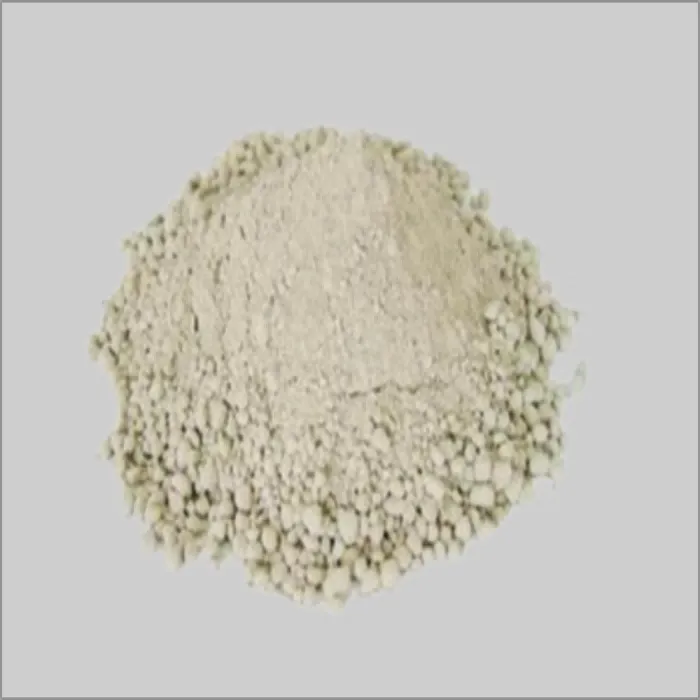
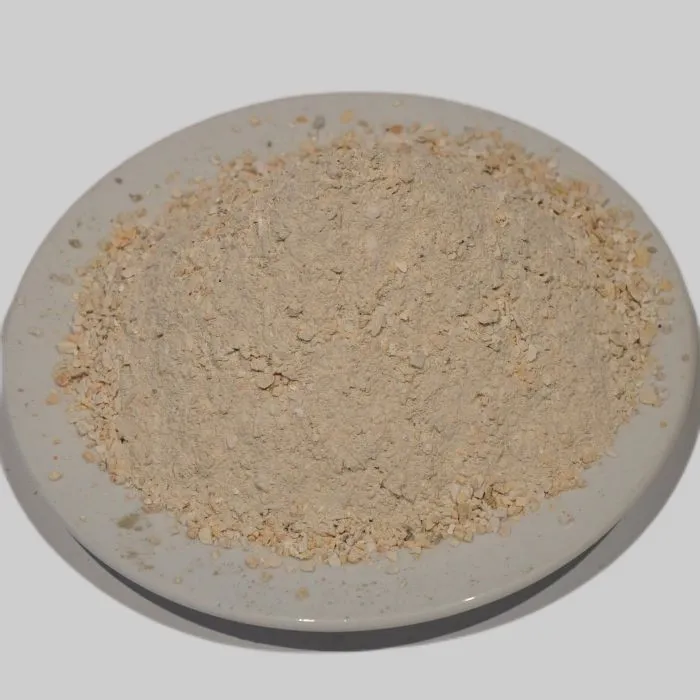
Ramming mass helps to reduce heat transfer from the furnace to the surrounding environment, improving the energy efficiency of the glass - making process. It also protects the furnace structure from the corrosive effects of molten glass and the chemicals used in the glass - making process. Different types of ramming mass can be selected based on the specific requirements of the glass manufacturing process, such as the type of glass being produced (e.g., soda - lime glass, borosilicate glass) and the operating conditions of the furnace.
Cement Industry
In the cement industry, rotary kilns are the heart of the cement - making process. Ramming mass is used to line the kiln's interior, especially in the transition zones and the burning zone. The high - temperature and abrasive environment inside the rotary kiln demand a refractory material that can withstand both thermal stress and mechanical wear.
Ramming mass provides a smooth and durable lining that helps to maintain the proper flow of the raw materials inside the kiln. It also protects the kiln shell from the high - temperature radiation and the chemical attack of the cement clinker. By using high - quality ramming mass, cement manufacturers can increase the productivity of their kilns and reduce maintenance costs.
Advantages of Using Our Ramming Mass
As a ramming mass supplier, we offer several advantages to our customers. Firstly, our ramming mass products are made from high - quality raw materials. We source the best magnesite, zirconia, and other minerals to ensure the excellent performance of our ramming mass in various industrial applications.
Secondly, we have a strict quality control system in place. Every batch of ramming mass is tested for its physical and chemical properties before it leaves our factory. This ensures that our products meet or exceed the industry standards and can provide reliable performance in large - scale industrial projects.
Thirdly, we offer customized solutions. We understand that different industrial projects have different requirements for ramming mass, such as different particle sizes, chemical compositions, and thermal properties. Our technical team can work closely with our customers to develop ramming mass products that are tailored to their specific needs.
Contact Us for Ramming Mass Procurement
If you are involved in a large - scale industrial project and are in need of high - quality ramming mass, we would be delighted to hear from you. Our experienced sales team can provide you with detailed product information, technical support, and competitive pricing. Whether you are in the steel, non - ferrous metal, glass, or cement industry, we have the right ramming mass solution for you.
Contact us today to start a discussion about your ramming mass requirements and explore how our products can contribute to the success of your industrial project.
References
- "Refractory Materials in Industrial Furnaces" by John Smith, published by Industrial Press, 2018.
- "Non - ferrous Metal Smelting Technology" by David Brown, published by Metallurgical Society, 2020.
- "Glass Manufacturing Processes and Refractories" by Emily Green, published by Glass Industry Association, 2019.
- "Cement Production and Refractory Lining" by Robert White, published by Cement World, 2021.