

Hey there! As a supplier of AZS blocks, I've seen firsthand the importance of these products in various industries, especially in the glass manufacturing sector. AZS blocks, or Alumina-Zirconia-Silica blocks, are widely used due to their excellent resistance to corrosion and high-temperature stability. But like any product, there's always room for improvement in performance. In this blog, I'm going to share some tips on how to enhance the performance of AZS blocks.
Understanding AZS Blocks
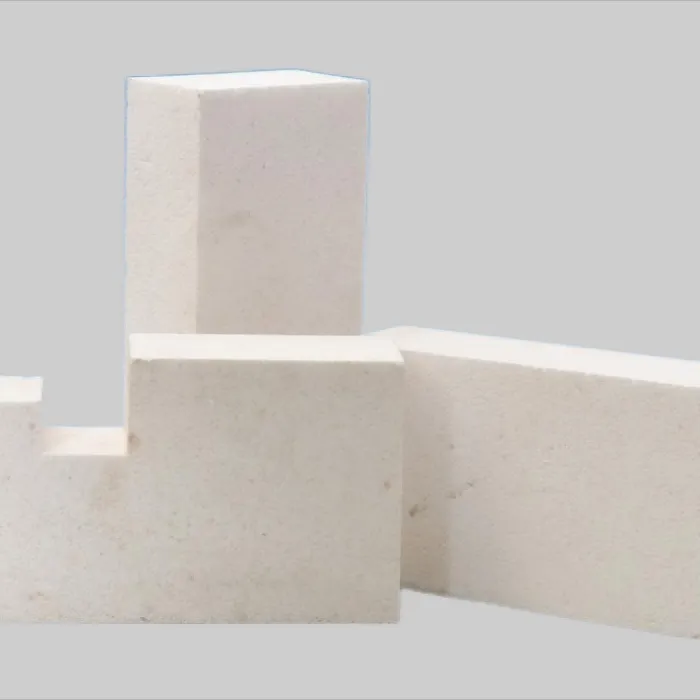
Before we dive into the improvement strategies, let's quickly go over what AZS blocks are. These blocks are made by fusing high - purity alumina, zirconia, and silica together at extremely high temperatures. The resulting material has unique properties that make it ideal for lining glass melting furnaces and other high - temperature applications. You can learn more about Fused Cast Azs Block on our website.
1. Raw Material Selection
The quality of raw materials is the foundation of high - performance AZS blocks. When selecting alumina, zirconia, and silica, we need to ensure their high purity. Impurities in the raw materials can significantly affect the properties of the final product. For example, even a small amount of iron oxide can reduce the corrosion resistance of AZS blocks. So, we always source our raw materials from reliable suppliers and conduct strict quality control tests.
We also pay attention to the particle size and distribution of the raw materials. The right particle size can improve the packing density during the manufacturing process, leading to a more homogeneous and denser AZS block. This, in turn, enhances its mechanical strength and corrosion resistance.
2. Manufacturing Process Optimization
The manufacturing process of AZS blocks is complex and requires precise control. One of the key steps is the melting process. We use advanced electric arc furnaces to melt the raw materials at temperatures above 2000°C. The melting time and temperature need to be carefully adjusted to ensure complete fusion of the materials.
After melting, the molten material is cast into molds. The casting speed and cooling rate are crucial. A slow casting speed can prevent the formation of air bubbles and cracks, while a controlled cooling rate can reduce internal stresses in the block. We've also introduced some new technologies, such as vibration during casting, to improve the density and uniformity of the block.
3. Heat Treatment
Heat treatment is an important step to improve the performance of AZS blocks. After casting, the blocks are subjected to a heat treatment process. This process can further eliminate internal stresses, improve the crystal structure, and enhance the mechanical and thermal properties of the blocks.
We usually heat the blocks to a specific temperature and hold them for a certain period of time, followed by a slow cooling process. The heat treatment parameters are determined based on the composition and size of the blocks. By optimizing the heat treatment process, we can significantly improve the strength and corrosion resistance of the AZS blocks.
4. Surface Treatment
Surface treatment can also enhance the performance of AZS blocks. We can apply a protective coating on the surface of the blocks. This coating can act as a barrier, preventing the penetration of corrosive substances and reducing the erosion rate of the blocks.
There are different types of coatings available, such as ceramic coatings and glassy coatings. The choice of coating depends on the specific application and the operating conditions of the AZS blocks. For example, in a glass melting furnace with high - alkali environments, a coating with good alkali resistance is preferred.
5. Installation and Maintenance
Proper installation and maintenance are essential for the long - term performance of AZS blocks. During installation, we need to ensure that the blocks are correctly positioned and tightly joined. Any gaps or misalignments can lead to hot spots and uneven wear, reducing the service life of the blocks.
Regular maintenance is also important. We need to monitor the condition of the AZS blocks during operation. If any signs of damage or wear are detected, timely repairs or replacements should be carried out. This can prevent further deterioration of the blocks and ensure the continuous and efficient operation of the equipment.
6. Product Design and Customization
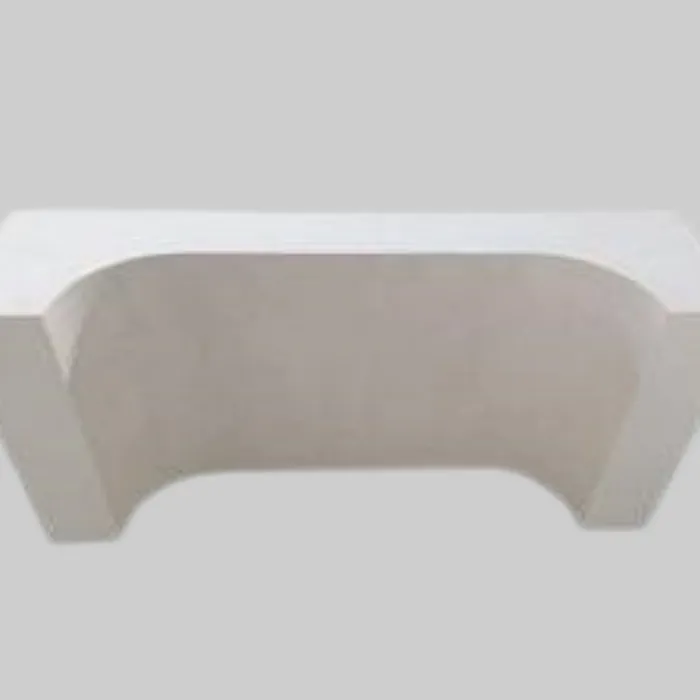
Not all applications of AZS blocks are the same. Different industries and processes may have different requirements for the size, shape, and performance of the blocks. That's why we offer customized AZS blocks.
We work closely with our customers to understand their specific needs. For example, in some glass manufacturing processes, the shape of the AZS blocks needs to be designed to fit the unique structure of the furnace. By providing customized solutions, we can ensure that the AZS blocks perform optimally in each application. You can check out our Zirconium Corundum Brick and AZS Brick products, which are also available in different designs and specifications.
Conclusion
Improving the performance of AZS blocks is a comprehensive process that involves raw material selection, manufacturing process optimization, heat treatment, surface treatment, installation, maintenance, and product customization. As a supplier, we're constantly working on research and development to provide our customers with high - quality AZS blocks that meet their specific needs.
If you're interested in our AZS block products or have any questions about how to improve their performance in your application, don't hesitate to contact us for procurement and further discussion. We're always here to offer you the best solutions.
References
- Glass Furnace Refractories Handbook
- Journal of Refractory Materials Research