

In the realm of refractory casting, bubble alumina has emerged as a remarkable material with diverse and impactful applications. As a trusted bubble alumina supplier, I am excited to delve into the various ways this unique material is transforming the refractory casting process.
Understanding Bubble Alumina
Bubble alumina is a lightweight, porous form of alumina that is produced through a special manufacturing process. It consists of spherical or irregularly shaped bubbles with a high alumina content, typically ranging from 90% to 99%. These bubbles create a structure with low bulk density and high porosity, which gives bubble alumina its distinctive properties.
The production of bubble alumina involves melting high - purity alumina raw materials and then introducing a gas or foaming agent to create the bubbles. The resulting material is then cooled and crushed to the desired particle size. The unique structure of bubble alumina provides several advantages, including low thermal conductivity, high refractoriness, and good chemical stability.
Applications in Refractory Casting
Insulation in High - Temperature Furnaces
One of the primary applications of bubble alumina in the refractory casting process is for insulation in high - temperature furnaces. High - temperature furnaces are used in a variety of industries, such as steelmaking, ceramics, and glass manufacturing. In these furnaces, maintaining high temperatures while minimizing heat loss is crucial for energy efficiency and process control.
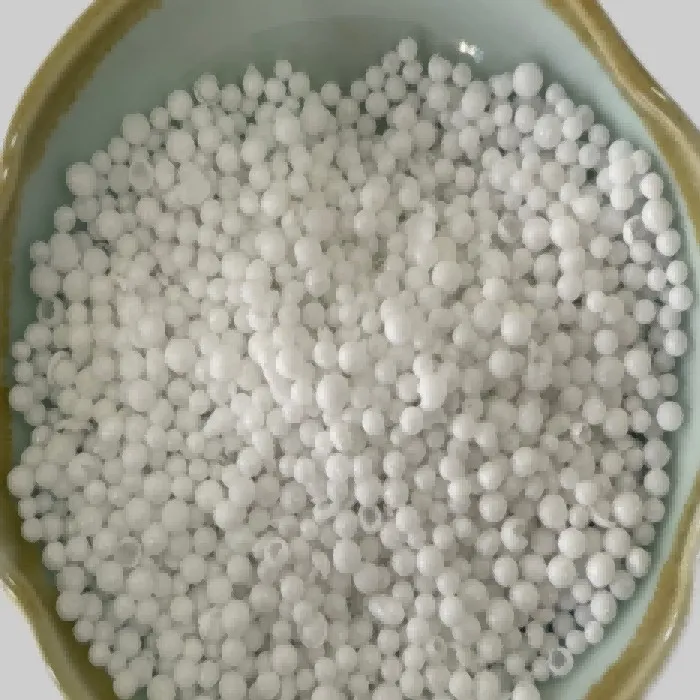
Bubble alumina's low thermal conductivity makes it an ideal material for insulation. When incorporated into refractory castables, it forms a barrier that reduces the transfer of heat from the hot interior of the furnace to the exterior. This not only saves energy but also helps to protect the surrounding equipment and structures from excessive heat. For example, in a steelmaking furnace, the use of bubble alumina - based refractory castables can significantly reduce the energy consumption required to maintain the high temperatures needed for melting and refining steel.
Lightweight Refractory Linings
In addition to insulation, bubble alumina is also used to create lightweight refractory linings. Traditional refractory materials can be very heavy, which can pose challenges in terms of installation, transportation, and structural support. Bubble alumina's low bulk density allows for the production of lightweight refractory castables that are easier to handle and install.
Lightweight refractory linings made with bubble alumina are commonly used in applications where weight is a concern, such as in the walls and roofs of furnaces. These linings can reduce the overall weight of the furnace structure, which in turn reduces the load on the supporting framework. This can lead to cost savings in terms of construction and maintenance, as well as increased flexibility in furnace design.
Refractory Coatings
Bubble alumina can also be used in the production of refractory coatings. Refractory coatings are applied to the surfaces of refractory materials to improve their performance and durability. The porous structure of bubble alumina allows it to absorb and disperse heat, which helps to prevent thermal shock and cracking in the underlying refractory material.
In addition, bubble alumina's high refractoriness and chemical stability make it resistant to the corrosive effects of molten metals, slag, and other harsh chemicals. This makes it suitable for use in refractory coatings for applications such as foundry molds, where the coating needs to withstand the high temperatures and chemical reactions associated with metal casting.
Filter Media in Metal Casting
Another important application of bubble alumina in the refractory casting process is as a filter media in metal casting. During the casting process, impurities and inclusions can be present in the molten metal, which can affect the quality of the final cast product. Bubble alumina's porous structure allows it to trap these impurities as the molten metal passes through the filter.
The high alumina content of bubble alumina also makes it chemically stable and resistant to the corrosive effects of molten metals. This ensures that the filter media does not break down or contaminate the molten metal during the casting process. As a result, the use of bubble alumina filters can improve the quality of the cast metal by reducing the presence of impurities and inclusions.
Comparison with Other Refractory Materials
When considering the use of bubble alumina in the refractory casting process, it is important to compare it with other refractory materials. Synthetic Cordierite is another commonly used refractory material that has some similar properties to bubble alumina.
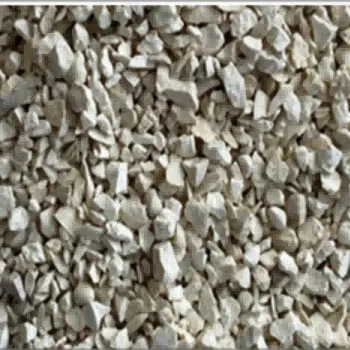
Synthetic cordierite has good thermal shock resistance and relatively low thermal expansion, which makes it suitable for applications where rapid temperature changes occur. However, it has a higher bulk density compared to bubble alumina, which means that it is heavier and may not be as suitable for applications where weight is a concern.
Bubble alumina, on the other hand, offers the advantage of low bulk density and low thermal conductivity, which makes it particularly well - suited for insulation and lightweight refractory applications. While synthetic cordierite may be a better choice for applications requiring high thermal shock resistance, bubble alumina's unique properties make it a valuable option for a wide range of refractory casting applications.
Why Choose Our Bubble Alumina
As a bubble alumina supplier, we take pride in offering high - quality products that meet the strictest industry standards. Our bubble alumina is produced using state - of - the - art manufacturing processes and is carefully tested to ensure its quality and performance.
We offer a wide range of bubble alumina products with different particle sizes and properties to meet the specific needs of our customers. Whether you are looking for a material for insulation, lightweight refractory linings, or filter media, we have the right product for you.
In addition to our high - quality products, we also provide excellent customer service. Our team of experts is available to answer your questions and provide technical support to help you choose the best bubble alumina product for your application. We are committed to building long - term relationships with our customers and ensuring their satisfaction.
Conclusion
In conclusion, bubble alumina has a wide range of applications in the refractory casting process. Its unique properties, such as low thermal conductivity, low bulk density, high refractoriness, and good chemical stability, make it an ideal material for insulation, lightweight refractory linings, refractory coatings, and filter media.
As a bubble alumina supplier, we are dedicated to providing our customers with the highest quality products and services. If you are interested in learning more about our Bubble Alumina products or have any questions about their applications in the refractory casting process, please do not hesitate to contact us. We look forward to discussing your needs and helping you find the best solution for your refractory casting requirements.
References
- "Refractories Handbook" by John N. Mitchell
- "Thermal Insulation Materials: Properties and Performance" by David G. Croll
- Industry reports on refractory materials and their applications