

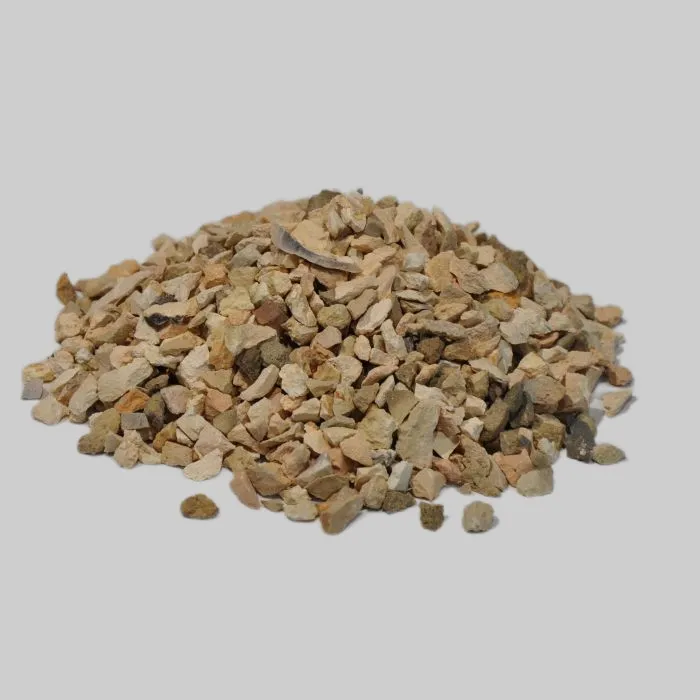
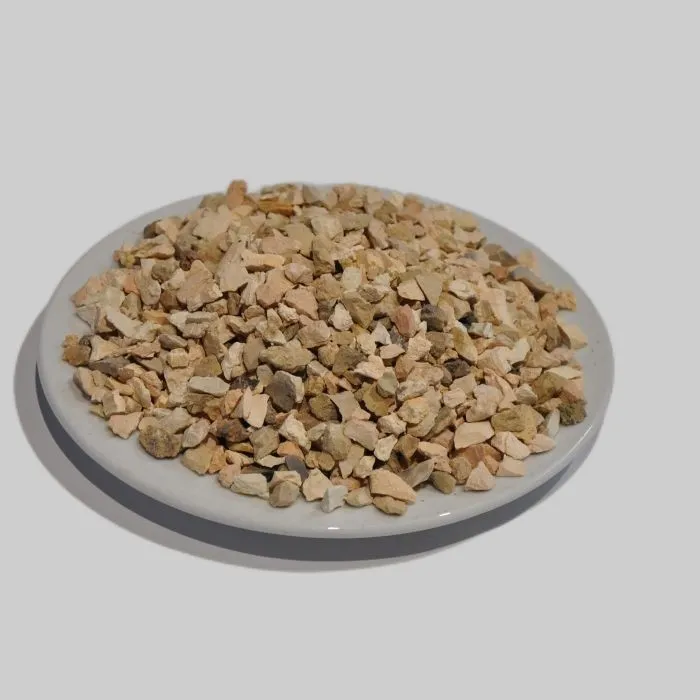
Calcined bauxite is a versatile and highly valuable raw material in the refractory brick manufacturing industry. As a leading supplier of calcined bauxite, I've witnessed firsthand its numerous applications and benefits in the production of refractory bricks. In this blog post, I'll delve into the various uses of calcined bauxite in refractory brick manufacturing, highlighting its unique properties and advantages.
1. High-Temperature Resistance
One of the primary reasons calcined bauxite is widely used in refractory brick manufacturing is its exceptional high-temperature resistance. Refractory bricks are designed to withstand extreme heat in industrial furnaces, kilns, and other high-temperature applications. Calcined bauxite has a high melting point, typically around 2050°C, which makes it an ideal material for producing refractory bricks that can endure intense heat without deforming or melting.
When incorporated into refractory bricks, calcined bauxite forms a strong and stable structure that can resist thermal shock and maintain its integrity at high temperatures. This property is crucial in industries such as steelmaking, cement production, and glass manufacturing, where furnaces operate at extremely high temperatures. For example, in steelmaking, refractory bricks lined with calcined bauxite can withstand the molten steel's heat and chemical reactions, ensuring the efficient and safe operation of the furnace.
2. Abrasion Resistance
In addition to its high-temperature resistance, calcined bauxite also offers excellent abrasion resistance. Refractory bricks are often subjected to mechanical wear and tear due to the movement of materials, such as molten metals or solids, within the furnace. Calcined bauxite has a hard and dense structure, which makes it highly resistant to abrasion.
When used in refractory brick manufacturing, calcined bauxite enhances the brick's durability and longevity, reducing the need for frequent replacement. This is particularly important in industries where abrasion is a significant concern, such as mining, cement, and power generation. For instance, in a cement kiln, refractory bricks containing calcined bauxite can withstand the abrasive action of the raw materials and clinker, ensuring the smooth operation of the kiln and minimizing downtime.
3. Chemical Resistance
Another important property of calcined bauxite is its chemical resistance. Refractory bricks are exposed to various chemical substances in industrial processes, such as acids, alkalis, and molten metals. Calcined bauxite is chemically inert and can resist the corrosive effects of these substances, protecting the refractory bricks from damage and extending their service life.
In the chemical industry, for example, refractory bricks made with calcined bauxite are used in reactors and furnaces to handle corrosive chemicals. The chemical resistance of calcined bauxite ensures that the refractory bricks can withstand the harsh chemical environment and maintain their structural integrity, preventing leaks and ensuring the safety of the process.
4. Low Thermal Conductivity
Calcined bauxite also has low thermal conductivity, which means it is a poor conductor of heat. This property is beneficial in refractory brick manufacturing as it helps to reduce heat loss from the furnace, improving energy efficiency.
Refractory bricks with low thermal conductivity can insulate the furnace, keeping the heat inside and reducing the amount of energy required to maintain the desired temperature. This is particularly important in industries where energy costs are a significant factor, such as steelmaking and cement production. By using refractory bricks made with calcined bauxite, companies can save on energy costs and improve their overall operational efficiency.
5. Different Types of Calcined Bauxite for Refractory Brick Manufacturing
As a calcined bauxite supplier, we offer a range of products to meet the diverse needs of the refractory brick manufacturing industry. Two popular types of calcined bauxite used in this industry are Rotary Kiln Bauxite and High Purity Calcined Bauxite.
- Rotary Kiln Bauxite: This type of calcined bauxite is produced in a rotary kiln, which provides a uniform and controlled calcination process. Rotary kiln bauxite has a high alumina content and a consistent chemical composition, making it suitable for producing high-quality refractory bricks. It offers excellent high-temperature resistance, abrasion resistance, and chemical resistance, making it a popular choice in various industries.
- High Purity Calcined Bauxite: As the name suggests, high purity calcined bauxite has a very high alumina content and low impurities. This type of calcined bauxite is produced using advanced purification techniques, resulting in a product with superior properties. High purity calcined bauxite is often used in applications where extreme high-temperature resistance and chemical purity are required, such as in the aerospace and electronics industries.
Another option is Rotary Kiln Calcined Bauxite, which combines the benefits of rotary kiln processing with the high quality of calcined bauxite. It offers excellent performance in refractory brick manufacturing, providing a cost-effective solution for industries looking for high-quality refractory materials.
6. Customization and Quality Assurance
At our company, we understand that every customer has unique requirements when it comes to refractory brick manufacturing. That's why we offer customized solutions to meet the specific needs of our clients. We work closely with our customers to understand their applications and provide them with the right type of calcined bauxite and refractory brick products.
In addition to customization, we also place a strong emphasis on quality assurance. We have a strict quality control system in place to ensure that our calcined bauxite products meet the highest standards of quality and performance. Our products are tested regularly to ensure their chemical composition, physical properties, and performance meet or exceed the industry standards.
7. Conclusion and Call to Action
In conclusion, calcined bauxite plays a crucial role in the refractory brick manufacturing industry. Its high-temperature resistance, abrasion resistance, chemical resistance, and low thermal conductivity make it an ideal material for producing high-quality refractory bricks. As a reliable calcined bauxite supplier, we are committed to providing our customers with the best products and services.
If you are in the refractory brick manufacturing industry and are looking for a high-quality calcined bauxite supplier, we would love to hear from you. Our team of experts is ready to assist you in selecting the right type of calcined bauxite for your specific applications and provide you with customized solutions. Contact us today to start a discussion about your procurement needs and explore how our calcined bauxite can enhance the performance of your refractory bricks.
References
- "Refractory Materials: Properties, Selection, and Application" by John A. Salem
- "Handbook of Refractory Technology" by Peter E. King
- Industry reports and research papers on refractory brick manufacturing and calcined bauxite applications