

As a supplier of tundish nozzles, I've witnessed firsthand the challenges that come with developing new types of these crucial components. Tundish nozzles play a vital role in the continuous casting process, controlling the flow of molten metal from the tundish to the mold. Developing new and improved tundish nozzles is essential for enhancing the efficiency and quality of steel production. However, this task is fraught with difficulties. Let's dive into some of the main challenges.
1. Material Selection
One of the primary challenges in developing new tundish nozzles is choosing the right materials. Tundish nozzles are exposed to extremely harsh conditions, including high temperatures, corrosive molten metals, and mechanical stress. The materials used must be able to withstand these conditions without degrading or failing.
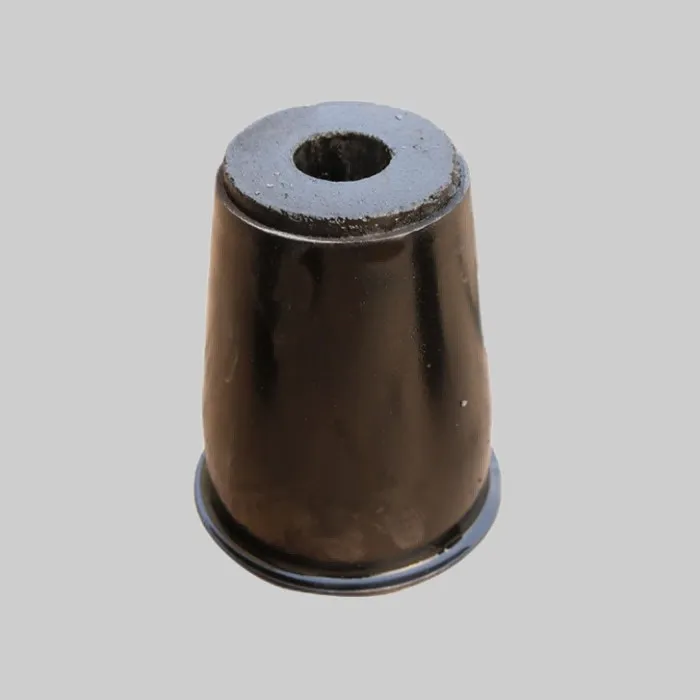
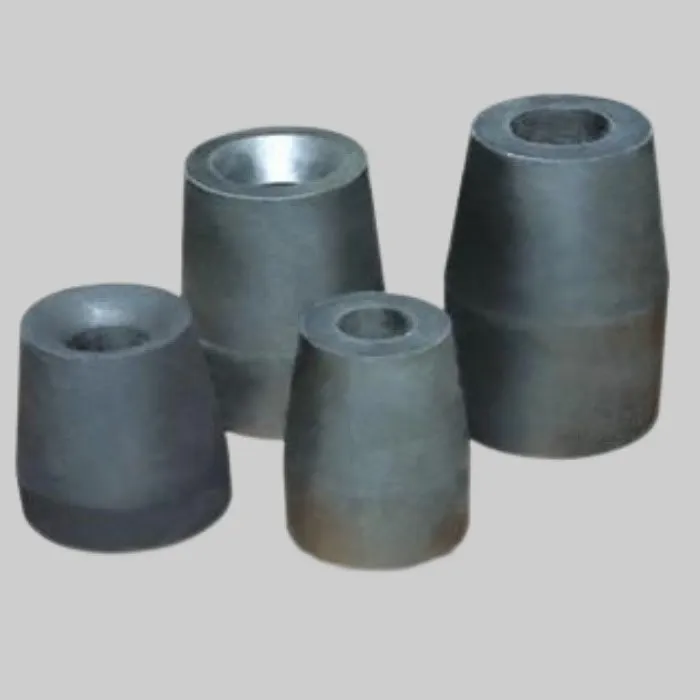
For example, zirconium-based materials are popular choices for tundish nozzles due to their high melting points and excellent corrosion resistance. You can check out our Zirconium Sizing Nozzle for more details on this type of material application. Zirconia, on the other hand, offers good thermal shock resistance and mechanical strength. Our Zirconia Nozzle showcases the benefits of using zirconia in nozzle design.
But finding the perfect balance of properties is no easy feat. Sometimes, a material might have great corrosion resistance but poor thermal shock resistance. Or it could be strong mechanically but prone to chemical attack from the molten metal. We often have to conduct extensive research and testing to identify materials that can meet all the requirements simultaneously.
2. Design and Manufacturing Complexity
Designing a new tundish nozzle is not as simple as it might seem. The shape and dimensions of the nozzle have a significant impact on the flow of molten metal. A poorly designed nozzle can lead to uneven flow, which can cause defects in the cast product.
We need to consider factors like the inner diameter, length, and taper of the nozzle. Computational fluid dynamics (CFD) simulations are often used to predict the flow behavior of molten metal through the nozzle. However, these simulations are not always accurate, and real - world testing is still necessary.
Manufacturing the nozzle according to the design is another challenge. Tundish nozzles are typically made using advanced refractory manufacturing techniques. Precision is crucial, as even small deviations from the design specifications can affect the performance of the nozzle. For instance, if the inner surface of the nozzle is not smooth enough, it can cause turbulence in the molten metal flow. Our Refractory Collector Nozzle is a product that requires high - precision manufacturing to ensure optimal performance.
3. Compatibility with Molten Metals
Different types of molten metals have different chemical and physical properties. A tundish nozzle that works well with one type of metal might not be suitable for another. For example, steel and aluminum have different melting points, viscosities, and chemical reactivities.
When developing a new nozzle, we need to ensure that it is compatible with a wide range of molten metals. This means understanding the chemical reactions that can occur between the nozzle material and the molten metal. Some metals might react with the nozzle material, causing it to erode or form unwanted compounds. These reactions can not only reduce the lifespan of the nozzle but also contaminate the molten metal, affecting the quality of the final product.
4. Cost - Effectiveness
In the competitive market of steel production, cost - effectiveness is a major concern. Developing new tundish nozzles often involves significant investment in research, development, and testing. The cost of materials and manufacturing processes also adds up.
We need to find ways to develop high - performance nozzles at a reasonable cost. This might involve finding alternative materials that are less expensive but still offer good performance. Or it could mean optimizing the manufacturing process to reduce waste and increase efficiency. However, cutting costs too much can compromise the quality of the nozzle, which is not a viable long - term solution.
5. Meeting Industry Standards and Regulations
The steel industry is highly regulated, and tundish nozzles must meet certain standards and regulations. These standards cover aspects such as safety, performance, and environmental impact.
For example, there are regulations regarding the amount of harmful substances that can be released from the nozzle during use. Meeting these standards requires us to carefully select materials and manufacturing processes. We also need to conduct regular testing and certification to ensure that our products comply with the latest regulations.
6. Long - Term Performance and Reliability
A new tundish nozzle needs to perform consistently over a long period. In the steel production process, any downtime due to nozzle failure can be extremely costly. Therefore, we need to ensure that the nozzle has high long - term performance and reliability.
This involves conducting long - term testing under real - world conditions. We need to monitor factors like erosion rate, thermal shock resistance, and chemical stability over time. Only by accurately predicting the long - term performance can we provide our customers with reliable products.
Conclusion
Developing new types of tundish nozzles is a complex and challenging task. From material selection and design to cost - effectiveness and regulatory compliance, there are many factors to consider. However, despite these challenges, the rewards are significant. By developing better tundish nozzles, we can help our customers improve the efficiency and quality of their steel production.
If you're in the market for high - quality tundish nozzles or are interested in learning more about our products, we'd love to hear from you. Contact us to start a conversation about your specific needs and how we can provide the best solutions for your steel production process.
References
- "Refractory Materials for Steelmaking" by some well - known authors in the refractory field.
- Industry reports on the development and application of tundish nozzles.