

Hey there! As an alumina brick supplier, I've been deeply involved in the ins and outs of alumina brick production. One of the key aspects that often gets overlooked but is super crucial is the binders used in the process. So, let's dive into the common binders used in alumina brick production.
1. Clay Binders
Clay has been a go - to binder in the production of alumina bricks for ages. It's readily available and relatively inexpensive, which makes it a popular choice for many manufacturers.
There are different types of clay that can be used. Kaolin clay, for example, is a pure form of clay with a high alumina content. When mixed with alumina powder, it helps in holding the particles together during the forming process. It has good plasticity, which means it can be easily shaped into the desired brick form.
Another type is ball clay. Ball clay has excellent binding properties and can improve the green strength of the alumina bricks. Green strength refers to the strength of the brick before it's fired. This is important because it allows the bricks to maintain their shape during handling and transportation before they go into the kiln.
However, using clay binders also has some drawbacks. When the bricks are fired, the clay can shrink. This shrinkage can lead to cracks in the bricks if not properly controlled. Also, the impurities in the clay can affect the final quality of the alumina bricks, especially in high - temperature applications.
2. Organic Binders
Organic binders are another option in alumina brick production. These binders are derived from natural or synthetic organic materials.
One of the most common organic binders is molasses. Molasses is a by - product of the sugar - refining process. It's a viscous liquid that can act as an excellent binder. When added to the alumina mixture, it coats the particles and holds them together. Molasses also burns off cleanly during the firing process, leaving little to no residue in the final brick. This makes it suitable for applications where high - purity alumina bricks are required.
Another organic binder is starch. Starch can be sourced from various plants like corn or potatoes. It has good binding properties and can improve the workability of the alumina mixture. Starch also decomposes during firing, leaving pores in the brick structure. These pores can actually be beneficial in some cases, as they can improve the thermal insulation properties of the bricks.
But organic binders also have limitations. They are generally more expensive than clay binders. And in high - humidity environments, they can absorb moisture, which can affect the green strength of the bricks. Also, the burning of organic binders during firing can release volatile organic compounds (VOCs), which can be a concern from an environmental perspective.
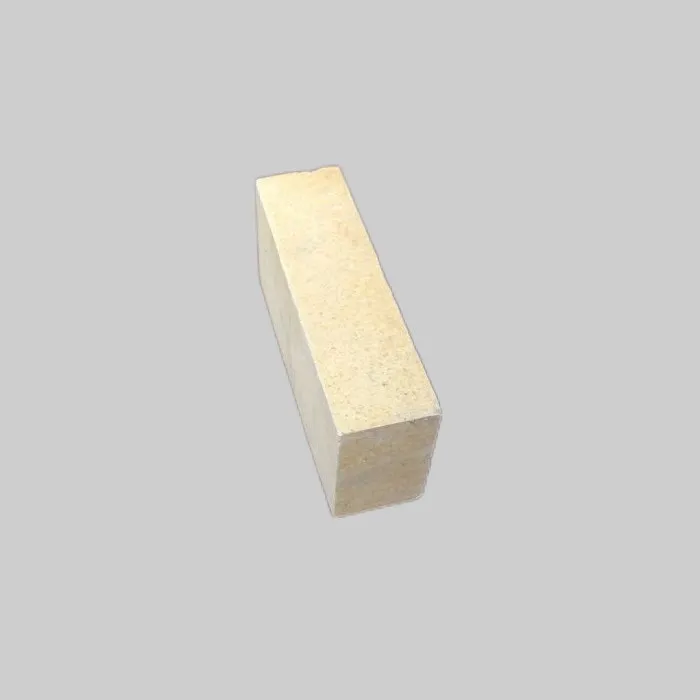
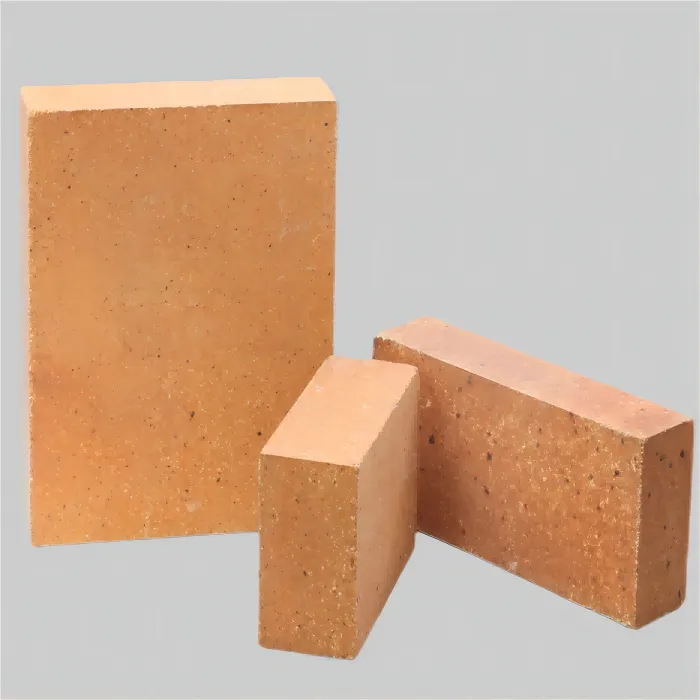
3. Inorganic Binders
Inorganic binders are widely used in alumina brick production, especially for high - performance applications.
One of the popular inorganic binders is sodium silicate. Sodium silicate, also known as water glass, is a clear, viscous liquid. It can form a strong bond between the alumina particles. When the bricks are fired, the sodium silicate forms a glassy phase that further strengthens the brick structure. Sodium silicate is particularly useful in applications where high - temperature resistance and chemical stability are required.
Another inorganic binder is phosphate binders. Phosphate binders can react with the alumina particles to form a strong chemical bond. They are known for their excellent high - temperature performance. Phosphate - bonded alumina bricks can withstand very high temperatures without significant degradation. These bricks are often used in industries like steelmaking and non - ferrous metal smelting.
However, inorganic binders also have their issues. Sodium silicate can be hygroscopic, which means it can absorb moisture from the air. This can lead to problems during storage and handling. Phosphate binders can be more expensive than other binders, and the production process can be more complex.
4. Resin Binders
Resin binders are synthetic binders that are becoming increasingly popular in alumina brick production.
Phenolic resins are one of the most commonly used resin binders. These resins can provide excellent binding strength and can improve the mechanical properties of the alumina bricks. They also have good chemical resistance, which makes them suitable for applications where the bricks will be exposed to corrosive substances.
Epoxy resins are another type of resin binder. Epoxy - bonded alumina bricks have high strength and good adhesion. They can be used in applications where the bricks need to be bonded to other materials.
The advantage of resin binders is that they can be tailored to specific requirements. Manufacturers can adjust the properties of the resin to achieve the desired binding strength, chemical resistance, and other characteristics. However, resin binders are relatively expensive, and the curing process can be time - consuming.
Conclusion
In conclusion, there are several common binders used in alumina brick production, each with its own advantages and disadvantages. Clay binders are cheap and readily available but can have shrinkage and impurity issues. Organic binders are clean - burning but can be expensive and moisture - sensitive. Inorganic binders offer high - temperature performance but may have storage and cost issues. Resin binders can be customized but are costly and have a complex curing process.
As an alumina brick supplier, we carefully select the binders based on the specific requirements of our customers. Whether you need Fire Brick for Heat Treat Oven, Alumina Silica Brick, or K26 Fire Brick, we can provide high - quality alumina bricks tailored to your needs.
If you're interested in purchasing alumina bricks or have any questions about our products, feel free to reach out to us. We're always happy to discuss your requirements and provide the best solutions for your applications.
References
- "Refractories Handbook" by John Smith
- "Advanced Ceramics: Processing and Applications" by Mary Johnson
- Industry reports on alumina brick production