

Hey there! I'm a supplier of magnesite bricks, and today I wanna chat about the differences between magnesite bricks and silica bricks. It's super important to know these distinctions, especially if you're in the market for high - quality refractory materials.
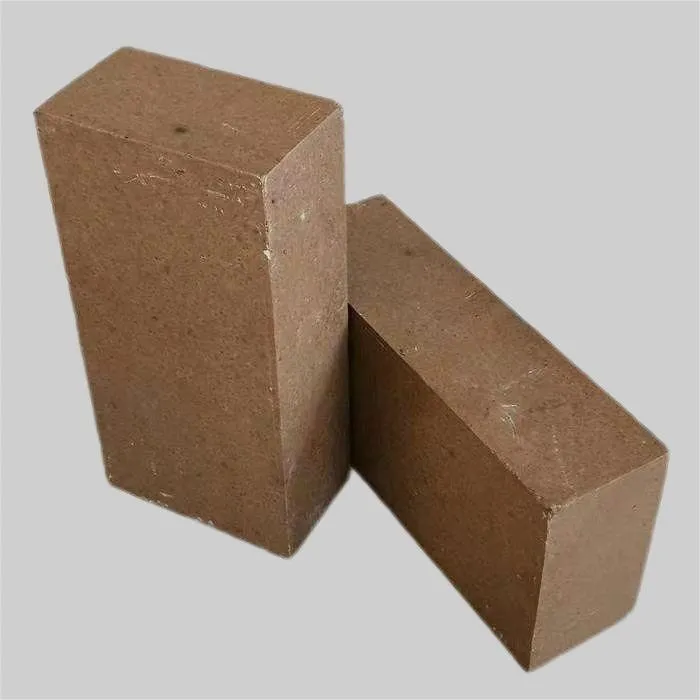
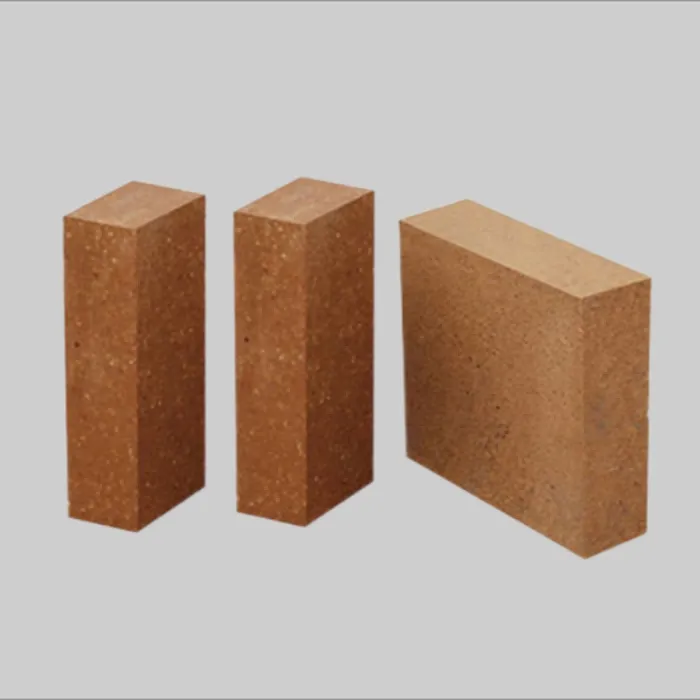
Let's start with the basics. Magnesite bricks, also known as Magnesite Refractory Bricks, Mgo Brick, and Magnesia Brick, are mainly made from magnesite minerals. Magnesite is rich in magnesium oxide (MgO). On the other hand, silica bricks are made from silica (SiO₂) - rich materials like quartzite.
Chemical Composition
The chemical makeup is a major factor that sets these two types of bricks apart. Magnesite bricks have a high content of MgO, usually more than 85%. This high magnesium oxide content gives magnesite bricks some unique properties. For example, MgO is a basic oxide, which means magnesite bricks are basic refractory materials.
Silica bricks, as you might guess, are mainly composed of silica. They typically contain over 93% SiO₂. Silica is an acidic oxide, so silica bricks are acidic refractory materials. This difference in acidity and basicity is crucial when it comes to their applications.
Physical Properties
1. Refractoriness
Refractoriness refers to the ability of a material to withstand high temperatures without melting or deforming. Magnesite bricks have an extremely high refractoriness. They can handle temperatures up to around 2000°C. This makes them ideal for use in environments where extremely high temperatures are involved, such as in some steel - making processes.
Silica bricks also have good refractoriness, but they're not as high as magnesite bricks. Silica bricks can usually withstand temperatures up to about 1650 - 1750°C. So, if you're dealing with slightly lower - temperature applications, silica bricks might be a good choice.
2. Thermal Expansion
Thermal expansion is how much a material expands when heated. Magnesite bricks have a relatively low thermal expansion coefficient. This means that they don't expand too much when the temperature rises. This property is very useful in applications where dimensional stability is important. For example, in a furnace where any significant expansion could cause structural damage.
Silica bricks, on the other hand, have a relatively high thermal expansion coefficient, especially in the temperature range between 870 - 1470°C. This high expansion can be a drawback in some applications, but it can also be managed with proper design and installation.
3. Strength
In terms of strength, magnesite bricks are generally stronger than silica bricks. Magnesite bricks can withstand high mechanical loads, which is important in industrial settings where the bricks may be subject to pressure or impact. Silica bricks are more brittle and have lower mechanical strength compared to magnesite bricks.
Applications
1. Magnesite Bricks
Because of their basic nature and high refractoriness, magnesite bricks are widely used in basic oxygen furnaces (BOF) in the steel industry. In BOF, the high - temperature and basic slag environment require a refractory material that can resist corrosion and maintain its integrity. Magnesite bricks can also be found in some non - ferrous metal smelting processes, such as nickel and copper smelting.
2. Silica Bricks
Silica bricks are commonly used in glass - melting furnaces. The acidic nature of silica bricks is compatible with the acidic glass - forming materials. They're also used in the coke ovens in the coking industry. The high - temperature environment in coke ovens can be well - tolerated by silica bricks, despite their relatively lower refractoriness compared to magnesite bricks.
Cost
Cost is always a consideration when choosing between materials. Generally, magnesite bricks are more expensive than silica bricks. The higher cost of magnesite bricks is due to several factors. First, the raw materials for magnesite bricks, high - quality magnesite, are often more scarce and expensive to mine and process. Second, the manufacturing process of magnesite bricks is more complex, which also adds to the cost.
Silica bricks are more affordable because the raw materials, like quartzite, are more abundant. The manufacturing process for silica bricks is also relatively simpler, which helps keep the cost down.
Maintenance and Longevity
Magnesite bricks have good resistance to basic slags and molten metals, which means they can last a long time in the right environment. However, they're not resistant to acidic substances. If they come into contact with acidic slags or gases, they can be quickly corroded.
Silica bricks are resistant to acidic substances but are easily attacked by basic slags. So, the maintenance requirements for these two types of bricks are different. If you use magnesite bricks, you need to make sure the environment is free from acidic contaminants. And if you use silica bricks, you need to avoid basic substances.
In conclusion, whether you should choose magnesite bricks or silica bricks depends on your specific needs. If you need a high - temperature, high - strength, and basic refractory material, magnesite bricks are your go - to option. But if you're looking for a more affordable material for a slightly lower - temperature and acidic environment, silica bricks might be the better choice.
If you're interested in learning more about magnesite bricks or are considering purchasing them for your industrial needs, feel free to reach out. I'd be more than happy to have a chat with you and help you find the best solution for your requirements.
References
- "Refractory Materials Handbook"
- Industry reports on refractory materials in the steel and glass industries