

Hey there! I'm a supplier of ramming mass, and in this blog, I'm gonna dig deep into how different raw materials impact the properties of ramming mass. Ramming mass is a super important refractory material used in various industries, like steelmaking, foundries, and non - ferrous metal melting. The choice of raw materials can make or break its performance, so let's get started!
1. Understanding Ramming Mass Basics
Before we jump into the raw materials, let's quickly go over what ramming mass is. It's basically a mixture that's used to line furnaces, ladles, and other high - temperature equipment. When it's rammed into place, it forms a dense and durable lining that can withstand extreme heat, chemical attacks, and mechanical stresses.
The performance of ramming mass depends on its physical and chemical properties, such as refractoriness, thermal conductivity, volume stability, and resistance to slag corrosion. And these properties are greatly influenced by the raw materials used in its production.
2. Common Raw Materials and Their Effects
2.1 Alumina
Alumina is one of the most widely used raw materials in ramming mass production. Alumina Ramming Mass has a high melting point, usually around 2054°C. This high refractoriness makes it ideal for applications where the ramming mass has to withstand extremely high temperatures.
In terms of thermal conductivity, alumina ramming mass has a relatively low value. This means it can act as a good thermal insulator, reducing heat loss from the furnace. It also has excellent resistance to chemical corrosion, especially against acidic slags. This is because alumina is amphoteric, which means it can react with both acids and bases, but it shows better resistance to acids under normal conditions.
However, one drawback of using too much alumina is that it can make the ramming mass a bit brittle. This might lead to cracking under thermal shock, especially during rapid heating or cooling cycles. So, manufacturers often balance the amount of alumina with other raw materials to optimize the mechanical properties.
2.2 Zirconia
Zirconia is another high - performance raw material used in Zirconia Ramming Mass. It has an extremely high melting point, even higher than alumina, around 2715°C. This makes zirconia ramming mass suitable for the most demanding high - temperature applications.
Zirconia also has unique thermal properties. It has a low thermal expansion coefficient, which means it doesn't expand or contract much with temperature changes. This gives zirconia ramming mass excellent thermal shock resistance. It can withstand sudden temperature changes without cracking or spalling.
In addition, zirconia has good resistance to both acidic and basic slags. It forms a stable and protective layer on the surface when in contact with slags, preventing further penetration and corrosion. But zirconia is quite expensive compared to other raw materials. So, it's usually used in small amounts or in high - end applications where its superior properties justify the cost.
2.3 Silica
Silica is a common and relatively inexpensive raw material. Silica - based ramming mass has a lower melting point compared to alumina and zirconia, typically around 1713°C. It's mainly used in applications where the temperature requirements are not extremely high.
One of the advantages of silica ramming mass is its good fluidity when heated. This allows it to fill in small gaps and form a tight seal in the furnace lining. It also has a relatively high thermal conductivity compared to alumina, which can be beneficial in some applications where heat transfer needs to be efficient.
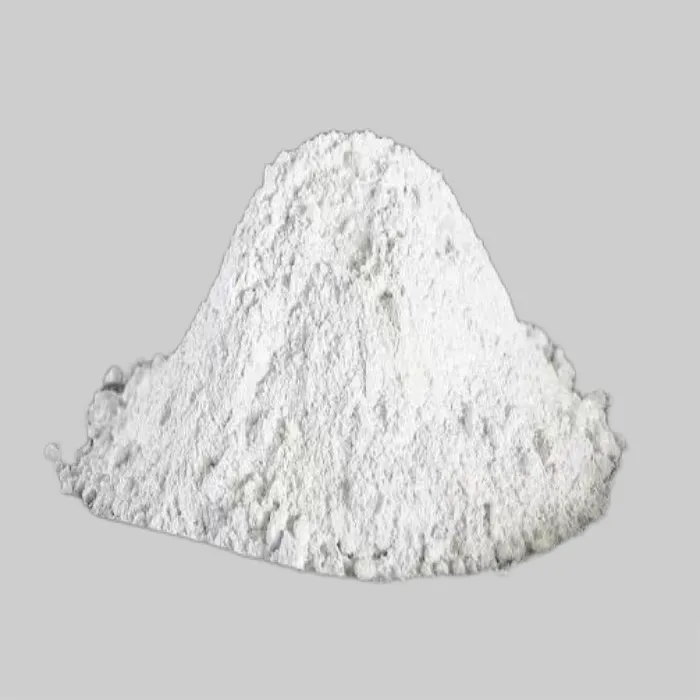
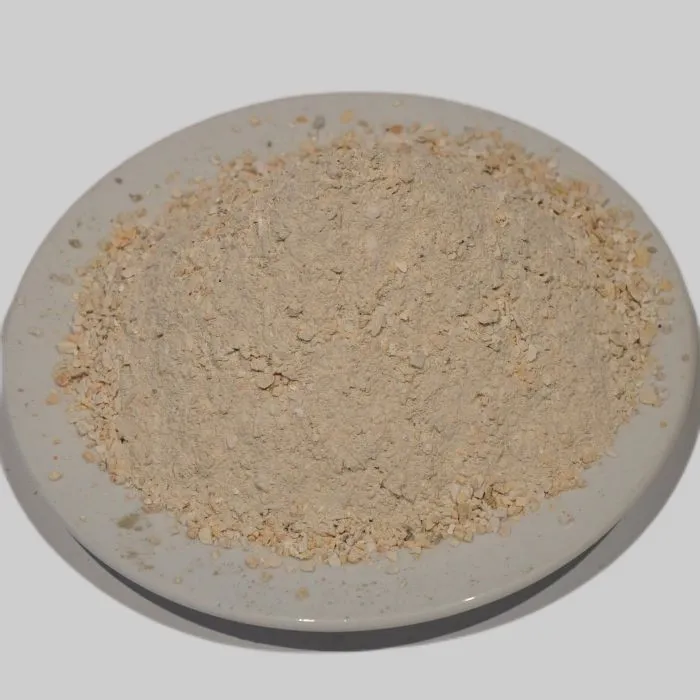
However, silica ramming mass is more susceptible to corrosion by basic slags. The silica reacts with basic components in the slag, forming low - melting - point compounds that can erode the lining. So, it's often used in acidic or neutral environments.
2.4 Magnesia
Magnesia is a key raw material for basic ramming mass. It has a high melting point of about 2852°C and excellent resistance to basic slags. Magnesia ramming mass is commonly used in steelmaking converters and ladles where basic slags are present.
Magnesia has good thermal stability and can maintain its structure at high temperatures. It also has a relatively high density, which contributes to the overall strength and durability of the ramming mass. But magnesia can be reactive with some acidic substances, so it's not suitable for use in acidic environments.
2.5 Neutral Raw Materials
Neutral Ramming Mass uses a combination of raw materials that are neither strongly acidic nor basic. These raw materials are carefully selected to provide a balance of properties. For example, they might include a mix of alumina, silica, and other minor components.
Neutral ramming mass offers good resistance to both acidic and basic slags, making it a versatile option for different types of furnaces. It also has moderate thermal and mechanical properties, which can be adjusted by changing the composition of the raw materials.
3. Impact on Processing and Application
The choice of raw materials also affects the processing and application of ramming mass. For instance, raw materials with different particle sizes and shapes can influence the packing density of the ramming mass. A higher packing density generally leads to better mechanical strength and lower porosity.
Some raw materials might require special processing steps. For example, zirconia often needs to be stabilized before use to prevent phase transformations that can cause cracking. The reactivity of the raw materials during heating and cooling also affects the curing and sintering processes of the ramming mass.
In terms of application, the properties of ramming mass determined by the raw materials decide where it can be used. A high - alumina ramming mass might be used in the lining of an electric arc furnace, while a silica - based ramming mass could be suitable for a small - scale brass melting furnace.
4. Cost - Benefit Analysis
When it comes to choosing the raw materials for ramming mass, cost is always a major consideration. High - performance raw materials like zirconia are expensive, but they can offer long - term benefits in terms of reduced downtime and maintenance costs due to their superior properties.
On the other hand, more affordable raw materials like silica and magnesia can still meet the requirements of many low - to medium - temperature applications. Manufacturers need to find the right balance between cost and performance based on the specific needs of their customers.
5. Conclusion and Call to Action
As you can see, the different raw materials used in ramming mass have a huge impact on its properties. Whether it's refractoriness, thermal conductivity, corrosion resistance, or mechanical strength, each raw material brings its own set of advantages and disadvantages.
If you're in the market for ramming mass, it's crucial to understand your specific requirements in terms of temperature, slag composition, and processing conditions. We at [my unnamed company] are here to help you make the right choice. We offer a wide range of ramming mass products, each carefully formulated using high - quality raw materials to meet different industry needs.
If you have any questions or want to discuss your ramming mass requirements, feel free to reach out. We're ready to have in - depth discussions with you and provide you with the best solutions for your business. Contact us today to start the procurement process and take your operations to the next level!
References
- "Refractory Materials Handbook", edited by a group of international experts.
- Industry research reports on ramming mass production and application.