

Calcined bauxite is a widely used industrial material with a wide range of applications in various fields, such as refractories, abrasives, and ceramics. As a supplier of calcined bauxite, I often receive inquiries from customers about the specific heat capacity of this material. In this blog post, I will delve into the concept of specific heat capacity, explore the specific heat capacity of calcined bauxite, and discuss its implications for different applications.
Understanding Specific Heat Capacity
Specific heat capacity is a fundamental physical property that measures the amount of heat energy required to raise the temperature of a unit mass of a substance by one degree Celsius (or one Kelvin). It is denoted by the symbol "c" and is typically expressed in units of joules per kilogram per degree Celsius (J/kg°C) or joules per gram per degree Celsius (J/g°C).
The specific heat capacity of a substance is influenced by several factors, including its chemical composition, physical structure, and temperature. Different substances have different specific heat capacities because they have different molecular arrangements and bonding energies, which affect how they absorb and store heat energy.
Specific Heat Capacity of Calcined Bauxite
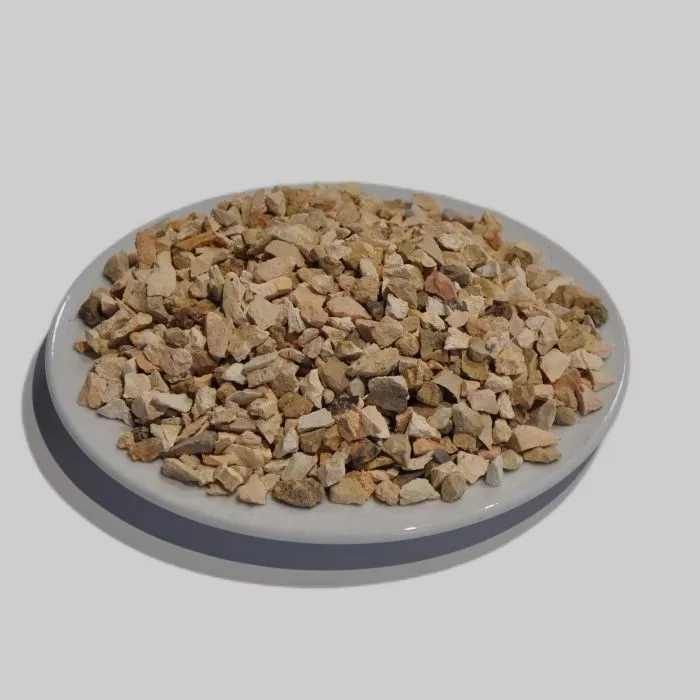
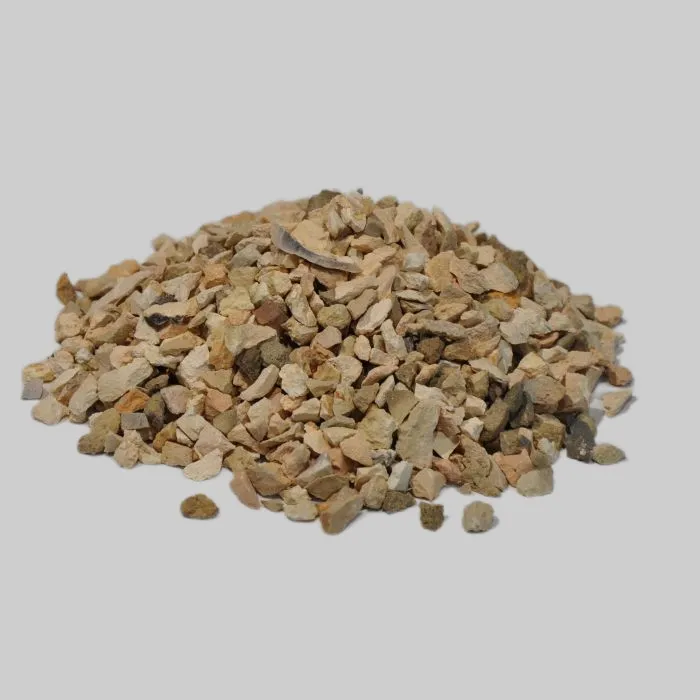
Calcined bauxite is a material obtained by heating bauxite ore at high temperatures to remove moisture and volatile impurities, resulting in a more stable and refractory product. The specific heat capacity of calcined bauxite can vary depending on its composition, processing method, and the presence of impurities.
Typically, the specific heat capacity of calcined bauxite ranges from approximately 0.7 to 1.0 J/g°C at room temperature. However, this value can change with temperature. As the temperature increases, the specific heat capacity of calcined bauxite may also increase due to the increased vibrational and rotational energy of its molecules.
The chemical composition of calcined bauxite plays a significant role in determining its specific heat capacity. Bauxite is primarily composed of aluminum oxide (Al₂O₃), along with varying amounts of other oxides such as iron oxide (Fe₂O₃), titanium dioxide (TiO₂), and silicon dioxide (SiO₂). The specific heat capacities of these individual oxides differ, and their relative proportions in the calcined bauxite can affect the overall specific heat capacity of the material.
Implications for Applications
The specific heat capacity of calcined bauxite has important implications for its various applications. Let's take a closer look at how this property affects some of the key uses of calcined bauxite.
Refractory Applications
In the refractory industry, calcined bauxite is widely used as a raw material for manufacturing refractory bricks, castables, and other refractory products. Refractories are materials that can withstand high temperatures without melting or deforming, and they are used in furnaces, kilns, and other high-temperature industrial processes.
The specific heat capacity of calcined bauxite affects the thermal performance of refractory materials. A higher specific heat capacity means that the material can absorb more heat energy without experiencing a significant increase in temperature. This property is desirable in refractory applications because it helps to reduce heat transfer and maintain a stable temperature within the furnace or kiln.
For example, in a steelmaking furnace, the refractory lining made of calcined bauxite helps to insulate the molten steel from the external environment, reducing heat loss and improving energy efficiency. The high specific heat capacity of calcined bauxite allows it to absorb and store a large amount of heat energy, protecting the furnace walls from the intense heat of the molten steel.
Abrasive Applications
Calcined bauxite is also used as an abrasive material in various applications, such as grinding wheels, sandpapers, and abrasive blasting. Abrasives are materials that are used to remove material from a surface by abrasion or friction.
The specific heat capacity of calcined bauxite affects its performance as an abrasive. During the grinding or sanding process, the abrasive material generates heat due to friction. If the specific heat capacity of the abrasive is too low, it may overheat and lose its cutting ability or even cause damage to the workpiece.
On the other hand, a higher specific heat capacity allows the abrasive material to absorb more heat energy without overheating, maintaining its cutting performance and durability. This is particularly important in high-speed grinding operations, where the generation of heat is significant.
Ceramic Applications
In the ceramic industry, calcined bauxite is used as a raw material for manufacturing ceramic tiles, sanitaryware, and other ceramic products. Ceramics are materials that are made by heating inorganic materials at high temperatures to form a hard, brittle, and often porous structure.
The specific heat capacity of calcined bauxite affects the firing process of ceramic products. During firing, the ceramic material is heated to a high temperature to achieve densification and develop its desired properties. The specific heat capacity of the raw materials, including calcined bauxite, influences the rate at which the ceramic material heats up and cools down during firing.
A higher specific heat capacity means that the ceramic material will take longer to heat up and cool down, which can affect the firing cycle and the final properties of the ceramic product. Manufacturers need to carefully control the firing process to ensure that the ceramic material reaches the desired temperature and density without cracking or warping.
Our Calcined Bauxite Products
As a leading supplier of calcined bauxite, we offer a wide range of high-quality products to meet the diverse needs of our customers. Our calcined bauxite products are produced using advanced manufacturing processes and strict quality control measures to ensure consistent quality and performance.
We offer Rotary Kiln Bauxite, which is produced by calcining bauxite ore in a rotary kiln. This process ensures uniform heating and calcination of the bauxite, resulting in a high-quality product with excellent refractory properties.
Our Rotary Kiln Calcined Bauxite is suitable for a variety of applications, including refractories, abrasives, and ceramics. It has a high specific heat capacity, which makes it an ideal material for applications where heat resistance and thermal stability are required.
In addition, we also offer High Purity Calcined Bauxite, which is produced using a special purification process to remove impurities and achieve a high level of purity. This product is particularly suitable for applications where high chemical resistance and low impurity content are required, such as in the production of advanced ceramics and electronic materials.
Contact Us for Procurement
If you are interested in learning more about our calcined bauxite products or would like to discuss your specific requirements, please feel free to contact us. Our team of experts is always ready to provide you with detailed information and assistance, as well as to help you select the most suitable product for your application.
Whether you are a refractory manufacturer, an abrasive producer, or a ceramics company, we can offer you high-quality calcined bauxite products at competitive prices. We are committed to providing our customers with the best possible service and support, and we look forward to the opportunity to work with you.
References
- K. C. Mills, "Thermodynamics of Steelmaking."
- R. K. Ray, "Abrasives and Their Use in Manufacturing."
- J. S. Reed, "Principles of Ceramic Processing."