

As a tundish shroud supplier, I've seen firsthand how crucial it is for these components to perform at their best in the continuous casting process. The tundish shroud plays a vital role in protecting the molten steel from oxidation and contamination as it transfers from the tundish to the mold. But what exactly affects its performance? Let's dive into the key factors.
Material Quality
The material of the tundish shroud is like the foundation of a building. If it's not up to par, the whole structure can crumble. High - quality refractory materials are essential. They need to withstand the extreme temperatures of molten steel, which can reach over 1500°C. For instance, alumina - graphite composites are commonly used because they offer good thermal shock resistance and corrosion resistance.
When the material has poor thermal shock resistance, it can crack under the sudden temperature changes that occur during the casting process. Cracks not only reduce the lifespan of the shroud but also allow air to enter, leading to oxidation of the molten steel. Corrosion resistance is equally important. Molten steel contains various elements that can react with the shroud material over time. If the material can't resist this corrosion, it will erode, and the shape and integrity of the shroud will be compromised.
Design and Dimensions
The design of the tundish shroud is a critical factor. The inner diameter, length, and shape all have an impact on the flow of molten steel. A well - designed shroud should ensure a smooth and controlled flow of the steel. If the inner diameter is too small, it can restrict the flow, causing back - pressure in the tundish and potentially leading to uneven filling of the mold. On the other hand, if it's too large, the steel may not flow in a stable manner, increasing the risk of splashing and air entrapment.
The length of the shroud also matters. A longer shroud can provide better protection against oxidation as it reduces the exposure of the molten steel to the atmosphere. However, it also needs to be balanced with practical considerations such as handling and installation. The shape of the shroud, especially at the outlet, can influence the way the steel enters the mold. A properly shaped outlet can help to distribute the steel evenly across the mold, improving the quality of the final product.
Installation and Alignment
Even the best - quality and well - designed tundish shroud won't perform well if it's not installed correctly. Proper installation is crucial for maintaining the integrity of the shroud and ensuring a smooth flow of molten steel. The shroud needs to be aligned precisely with the tundish and the mold. Misalignment can cause uneven wear on the shroud, as the steel may not flow through it symmetrically. This can lead to premature failure of the shroud.
During installation, it's also important to make sure that there are no gaps or leaks around the connections. Any gaps can allow air to enter, which can oxidize the molten steel and cause quality issues in the final product. Additionally, the fastening mechanisms need to be secure to prevent the shroud from moving or vibrating during the casting process.
Operating Conditions
The operating conditions in the continuous casting process have a significant impact on the performance of the tundish shroud. The temperature of the molten steel is one of the most important factors. Higher temperatures can increase the rate of corrosion and thermal shock on the shroud material. If the steel is too hot, it can also cause the shroud to expand more rapidly, potentially leading to cracking.
The flow rate of the molten steel is another critical operating condition. A high flow rate can put more stress on the shroud, increasing the risk of erosion and wear. It can also make it more difficult to control the flow and prevent splashing. On the other hand, a low flow rate may result in uneven filling of the mold and may cause the steel to solidify prematurely in the shroud.
Maintenance and Inspection
Regular maintenance and inspection are essential for ensuring the optimal performance of the tundish shroud. Before each use, the shroud should be inspected for any signs of damage, such as cracks, chips, or erosion. Any damaged shrouds should be replaced immediately to prevent quality issues in the final product.
During the casting process, it's important to monitor the performance of the shroud. If there are any signs of abnormal flow, such as splashing or uneven filling, it could indicate a problem with the shroud. After the casting process is completed, the shroud should be cleaned and inspected again. This can help to identify any wear or damage that occurred during use and allow for timely replacement or repair.
Interaction with Other Components
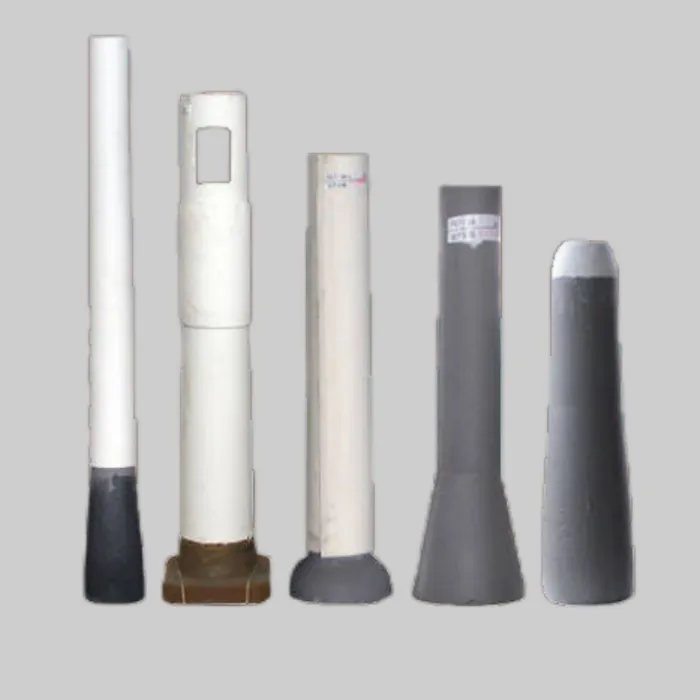
The tundish shroud doesn't work in isolation. It interacts with other components in the continuous casting process, such as the Ladle Shroud, Well Blcok, and Subentry Nozzle. The compatibility between these components is crucial for the overall performance of the system.
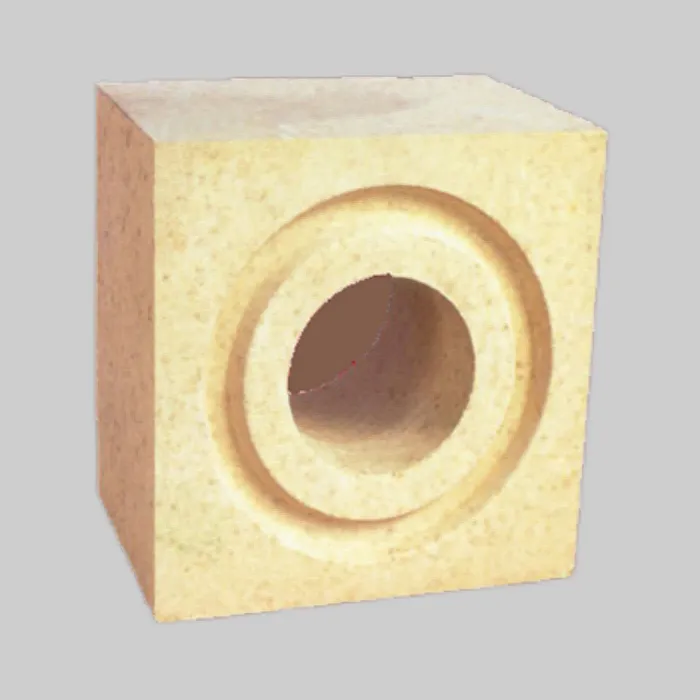
For example, the connection between the ladle shroud and the tundish shroud needs to be seamless to prevent air from entering. If there are any gaps or misalignments at this connection, it can lead to oxidation of the molten steel. The well block, which is located at the bottom of the tundish, also affects the flow of steel into the shroud. A well - designed well block can help to ensure a smooth and stable flow of steel into the shroud.
In conclusion, many factors affect the performance of a tundish shroud. As a supplier, we understand the importance of providing high - quality shrouds that are designed and manufactured to meet the specific needs of our customers. We also offer support in terms of installation, maintenance, and troubleshooting. If you're in the market for tundish shrouds or have any questions about their performance, don't hesitate to contact us for a procurement discussion. We're here to help you achieve the best results in your continuous casting process.
References
- "Continuous Casting of Steel" by John Doe
- "Refractories in the Steel Industry" by Jane Smith
- Industry reports on continuous casting technology