

Hey there! As a supplier of calcined bauxite, I've been getting a lot of questions lately about how the purity of calcined bauxite affects its performance. So, I thought I'd write this blog post to share my insights on this topic.
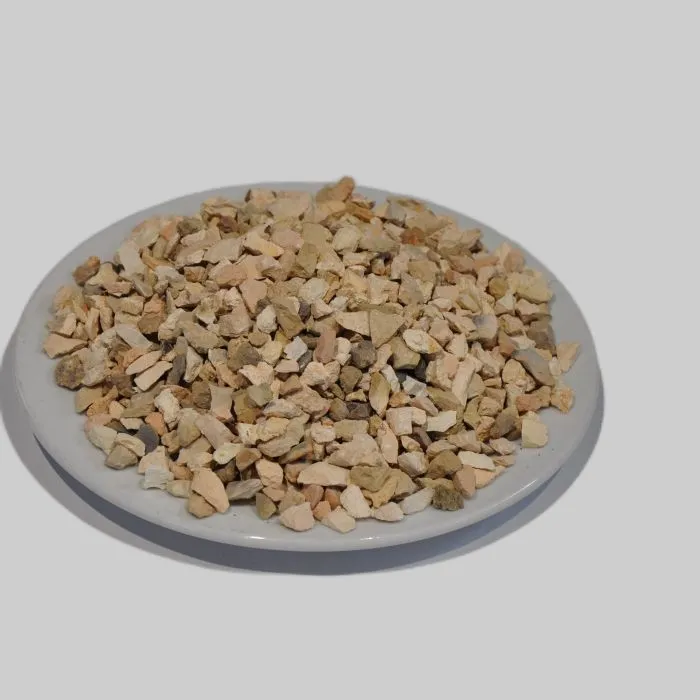
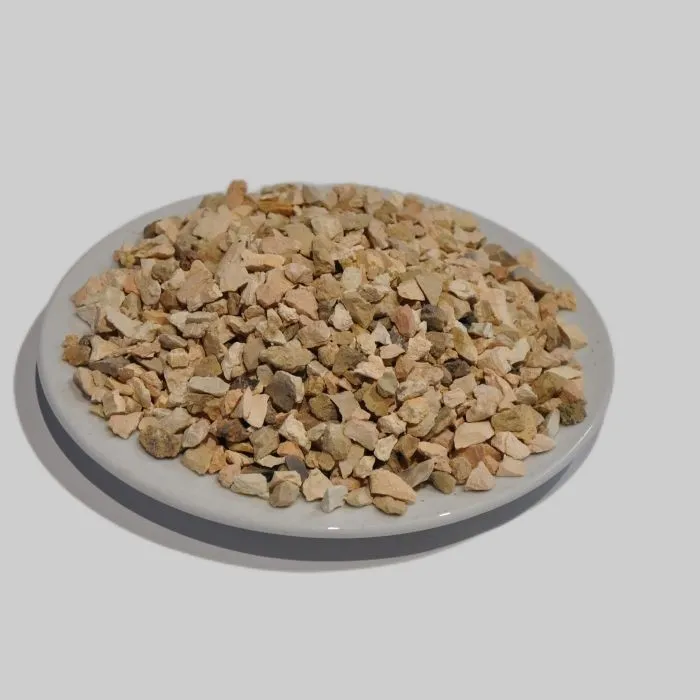
First off, let's talk about what calcined bauxite is. Calcined bauxite is a high - alumina material produced by heating bauxite ore at high temperatures. This process removes water and other volatile substances from the bauxite, resulting in a more stable and high - quality product. It's widely used in various industries, such as refractory materials, abrasives, and ceramics.
How Purity Affects Refractory Performance
One of the major applications of calcined bauxite is in the refractory industry. Refractory materials are used in high - temperature environments, like furnaces and kilns. The purity of calcined bauxite plays a crucial role in determining the performance of refractory products.
High - purity calcined bauxite High Purity Calcined Bauxite has a higher alumina content. Alumina is a key component that gives refractory materials their high melting point and excellent thermal stability. When the purity is high, there are fewer impurities such as iron oxide, silica, and titania. These impurities can lower the melting point of the refractory material and cause it to deform or melt at lower temperatures.
For example, if there's too much iron oxide in the calcined bauxite used for making refractory bricks, it can react with other components during high - temperature use. This reaction might lead to the formation of low - melting - point compounds, which can weaken the structure of the bricks. As a result, the refractory lining in a furnace may not be able to withstand the high temperatures for as long as it should, leading to more frequent replacements and higher costs for the end - user.
On the other hand, high - purity calcined bauxite forms a more stable crystal structure during the calcination process. This structure provides better resistance to thermal shock. Thermal shock occurs when there are rapid changes in temperature, and it can cause cracking and spalling in refractory materials. A refractory product made from high - purity calcined bauxite can better handle these sudden temperature changes, making it more reliable in industrial applications.
Impact on Abrasive Performance
Calcined bauxite is also used in the production of abrasives. Abrasives are materials used for grinding, polishing, and cutting. The purity of calcined bauxite affects the hardness and cutting ability of these abrasives.
Higher - purity calcined bauxite has a more uniform and dense crystal structure. This density contributes to the hardness of the abrasive grains. When you're using an abrasive wheel or sandpaper made from high - purity calcined bauxite, the grains are less likely to break down during the grinding or polishing process. They can maintain their sharp edges for a longer time, which means better cutting performance and a longer lifespan for the abrasive product.
Impurities in the calcined bauxite can act as weak points in the abrasive grains. For instance, if there are some low - strength inclusions due to impurities, these grains may break prematurely. This not only reduces the cutting efficiency but also generates more dust during the grinding process, which can be a safety hazard in the workplace.
Influence on Ceramic Performance
In the ceramic industry, calcined bauxite is used to improve the strength and durability of ceramic products. The purity of the calcined bauxite has a significant impact on the final properties of the ceramics.
High - purity calcined bauxite helps in achieving a more homogeneous ceramic body. When the bauxite is pure, it mixes more evenly with other ceramic raw materials. This homogeneity results in better mechanical properties, such as higher flexural strength and better resistance to wear.
Impurities in the calcined bauxite can cause color variations in the ceramic products. For example, iron oxide impurities can give the ceramic a reddish - brown tint, which may not be desirable in some applications where a consistent color is required. Also, these impurities can affect the firing behavior of the ceramics. They may cause uneven shrinkage during firing, leading to cracks or warping in the final product.
The Role of Rotary Kiln Calcined Bauxite
Now, let's talk about Rotary Kiln Calcined Bauxite and Rotary Kiln Bauxite. The rotary kiln is a common equipment used for calcining bauxite. The purity of the raw bauxite fed into the rotary kiln affects the quality of the final calcined product.
When high - purity raw bauxite is used in the rotary kiln, the calcination process can be more efficient. The high - purity bauxite has fewer volatile substances and impurities, which means less energy is wasted in removing these unwanted components. Also, the calcined product from high - purity raw bauxite is more likely to have a consistent quality.
The temperature control in the rotary kiln is also crucial for maintaining the purity of the calcined bauxite. If the temperature is too low, the bauxite may not be fully calcined, and some impurities may remain. On the other hand, if the temperature is too high, it may cause over - calcination, which can change the crystal structure of the bauxite and affect its performance.
Conclusion
In conclusion, the purity of calcined bauxite has a profound impact on its performance in various industries. Whether it's for refractory materials, abrasives, or ceramics, high - purity calcined bauxite offers better thermal stability, hardness, and mechanical properties. As a supplier, I understand the importance of providing high - quality calcined bauxite to meet the specific needs of my customers.
If you're in the market for calcined bauxite and want to discuss your requirements, I'd love to have a chat with you. Whether you need high - purity products for high - end applications or a more cost - effective option for general use, I can help you find the right solution.
References
- ASTM International. (Year). Standard test methods for chemical analysis of bauxite, alumina, and aluminum - bearing materials. ASTM Publication.
- R. K. Iler. (Year). The Chemistry of Silica: Solubility, Polymerization, Colloid and Surface Properties, and Biochemistry. Wiley - Interscience.
- Refractory Handbook. (Year). A comprehensive guide to refractory materials and their applications. Industrial Press.