

Hairpins are not only practical hair accessories but also important fashion statements. They come in a wide variety of styles, shapes, and materials. As a raw material supplier, I have had the privilege of being involved in the supply chain that brings these beautiful hairpins to life. In this blog, I will explore the different raw materials used in making hairpins and how they contribute to the final product.
Metals
Metals are one of the most commonly used raw materials for hairpins. They offer durability, strength, and a wide range of finishes.
Stainless Steel
Stainless steel is a popular choice due to its corrosion - resistant properties. It is hypoallergenic, making it suitable for people with sensitive skin. Stainless steel hairpins can be easily shaped into different designs, from simple straight pins to more elaborate curly or spiral shapes. The smooth surface of stainless steel also allows for easy insertion and removal from the hair.
Brass
Brass is an alloy of copper and zinc. It has a warm, golden - like color that gives hairpins an elegant look. Brass is malleable, which means it can be easily crafted into intricate designs. It can be polished to a high shine or given a patina for a more antique appearance. However, brass may require some maintenance to prevent tarnishing.
Aluminum
Aluminum is a lightweight metal, which makes hairpins made from it comfortable to wear for long periods. It is also resistant to corrosion and can be anodized to achieve different colors. Anodized aluminum hairpins come in a rainbow of hues, adding a pop of color to any hairstyle.
Plastics
Plastics are another versatile raw material for hairpins. They offer a wide range of colors, textures, and affordability.
Acrylic
Acrylic is a transparent plastic that can mimic the look of glass or crystal. It is lightweight and shatter - resistant, making it a safer alternative for hairpins. Acrylic hairpins can be molded into various shapes, such as flowers, beads, or geometric forms. They can also be dyed in vivid colors, allowing for endless design possibilities.
Polypropylene
Polypropylene is a strong and flexible plastic. It is resistant to moisture and chemicals, which makes it suitable for hairpins that may be exposed to hair products or environmental elements. Polypropylene hairpins are often used in simple, functional designs, such as barrettes or claw clips.
Natural Materials
Natural materials bring a touch of nature and uniqueness to hairpins.
Wood
Wooden hairpins have a warm and organic feel. Different types of wood, such as bamboo, cherry, or oak, can be used. Each type of wood has its own distinct grain pattern and color. Wood can be carved, sanded, and polished to create smooth and beautiful hairpins. Wooden hairpins are often associated with a bohemian or natural - looking style.
Bone and Horn
Bone and horn have been used in hairpin making for centuries. They are durable and have a natural sheen. Bone and horn hairpins can be carved into detailed designs, such as floral motifs or animal shapes. However, due to ethical and conservation concerns, the use of real bone and horn is now more regulated, and synthetic alternatives are often used instead.
Ceramics
Ceramics can add an elegant and artistic touch to hairpins.
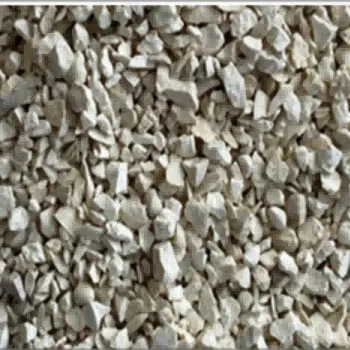
Synthetic Cordierite
Synthetic cordierite is a ceramic material that offers excellent thermal shock resistance and mechanical strength. It can be used to create hairpins with unique textures and finishes. To learn more about synthetic cordierite as a raw material for hairpins, you can visit Synthetic Cordierite.
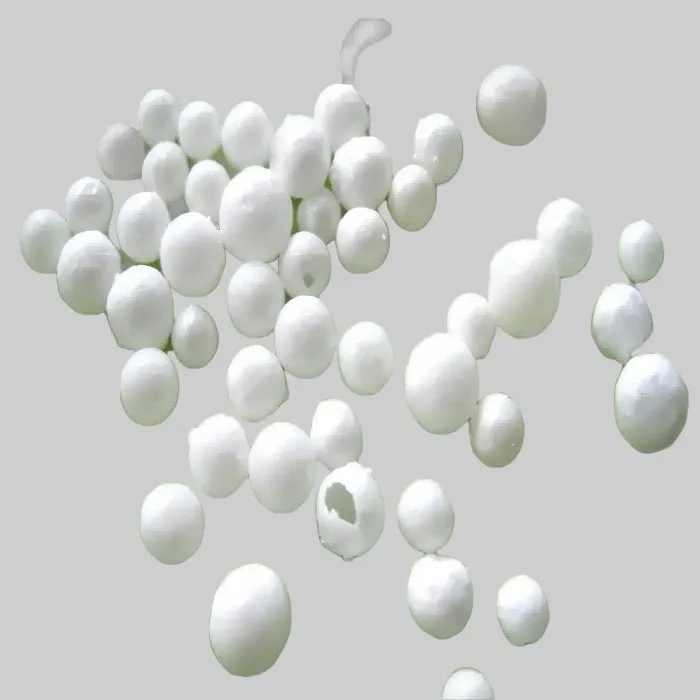
Bubble Alumina
Bubble alumina is another ceramic option. It has a lightweight and porous structure, which gives hairpins made from it a unique appearance. The porous nature of bubble alumina can also be used to hold small amounts of scented oils, adding a pleasant fragrance to the hairpin. For more information on bubble alumina, check out Bubble Alumina.
Gemstones and Crystals
Gemstones and crystals are used to add luxury and sparkle to hairpins.
Swarovski Crystals
Swarovski crystals are known for their high - quality and brilliant sparkle. They come in a wide range of colors and sizes. Hairpins adorned with Swarovski crystals are often used for special occasions, such as weddings or formal events.
Semi - Precious Gemstones
Semi - precious gemstones like amethyst, turquoise, or jade can also be incorporated into hairpins. These gemstones add a touch of natural beauty and uniqueness. Each gemstone has its own color and energy, making the hairpins not only beautiful but also meaningful.
As a raw material supplier, I understand the importance of providing high - quality materials for hairpin manufacturers. Whether you are looking for metals, plastics, natural materials, ceramics, or gemstones, I can offer a wide range of options to meet your specific needs. The right raw materials can make a significant difference in the quality, appearance, and functionality of hairpins.
If you are in the hairpin manufacturing industry or are interested in starting your own hairpin business, I invite you to contact me for procurement discussions. I can provide samples, technical specifications, and competitive pricing. Let's work together to create beautiful and high - quality hairpins that will stand out in the market.
References
- "Materials Science for Engineers" by Donald Askeland
- "Plastics in Packaging" by James Hanlon
- "Gemstones: Identification, Properties, and Uses" by Walter Schumann