

The tundish nozzle is a critical component in the continuous casting process, playing a vital role in controlling the flow of molten steel from the tundish to the mold. Ensuring the flow stability of the tundish nozzle is essential for producing high - quality steel products. As a tundish nozzle supplier, I have in - depth knowledge of the factors that influence the flow stability of these nozzles. In this blog, I will discuss the key factors that can affect the flow stability of a tundish nozzle.
1. Nozzle Material and Structure
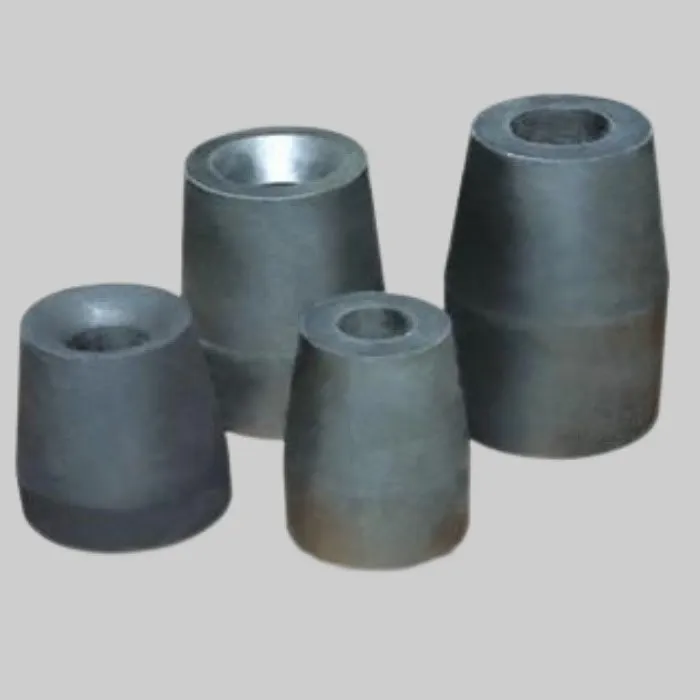
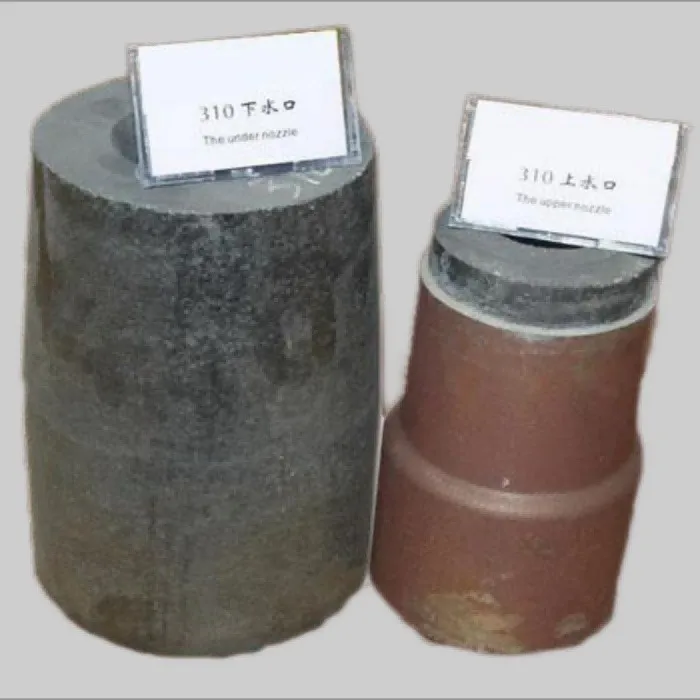
The material of the tundish nozzle has a significant impact on flow stability. Different materials have different physical and chemical properties, which can affect the interaction between the nozzle and the molten steel. For example, zirconium - based materials are widely used in tundish nozzles due to their excellent thermal shock resistance and corrosion resistance. Zirconium Sizing Nozzle made of high - quality zirconium materials can maintain a stable inner surface during the casting process, reducing the possibility of blockage and uneven flow.
The internal structure of the nozzle also matters. A well - designed nozzle structure can promote smooth flow of molten steel. For instance, a nozzle with a proper taper can help to control the flow rate and direction of the molten steel. If the taper is too large or too small, it may lead to flow instability, such as splashing or uneven filling of the mold.
2. Molten Steel Properties
The properties of the molten steel itself are crucial factors affecting the flow stability of the tundish nozzle. The temperature of the molten steel is one of the most important parameters. If the temperature is too low, the viscosity of the molten steel will increase, which can cause blockage in the nozzle. On the other hand, if the temperature is too high, it may accelerate the erosion of the nozzle material, leading to changes in the nozzle's inner diameter and thus affecting the flow stability.
The chemical composition of the molten steel also plays a role. For example, the presence of certain impurities or alloying elements can change the surface tension and viscosity of the molten steel. Sulfur and phosphorus in the molten steel can increase the viscosity, while some rare - earth elements may have a positive effect on improving the fluidity of the molten steel.
3. Clogging Phenomenon
Clogging is one of the most common problems that affect the flow stability of the tundish nozzle. There are mainly two types of clogging: mechanical clogging and chemical clogging.
Mechanical clogging usually occurs when solid particles in the molten steel, such as non - metallic inclusions, accumulate at the nozzle entrance or inside the nozzle. These inclusions can come from the steelmaking process, such as slag entrainment or deoxidation products. If the size of these inclusions is large enough, they can block the flow path of the molten steel, resulting in a sudden decrease in the flow rate or even complete blockage of the nozzle.
Chemical clogging is caused by the chemical reaction between the molten steel and the nozzle material. For example, in some cases, the reaction between aluminum in the molten steel and the refractory material of the nozzle can form alumina deposits on the inner surface of the nozzle. These deposits gradually grow and reduce the cross - sectional area of the nozzle, affecting the flow stability.
4. Gas Injection
Gas injection is a common method used to improve the flow stability of the tundish nozzle. By injecting inert gas, such as argon, into the nozzle, several benefits can be achieved. Firstly, the gas can create a gas film on the inner surface of the nozzle, which reduces the friction between the molten steel and the nozzle wall, promoting smoother flow. Secondly, the gas can help to prevent the adhesion of non - metallic inclusions to the nozzle wall, reducing the risk of clogging.
However, the amount and distribution of the injected gas need to be carefully controlled. If the gas injection rate is too high, it may cause excessive splashing of the molten steel, while if it is too low, the desired effect of improving flow stability may not be achieved.
5. Tundish Operating Conditions
The operating conditions of the tundish also have an impact on the flow stability of the nozzle. The level of molten steel in the tundish is an important factor. If the level is too low, it may cause air suction into the nozzle, which can lead to oxidation of the molten steel and affect the flow quality. On the other hand, if the level is too high, it may increase the pressure on the nozzle, which can cause the molten steel to flow out too fast and lead to instability.
The flow rate of the molten steel entering the tundish also needs to be stable. Fluctuations in the incoming flow rate can cause pressure changes in the tundish, which in turn affect the flow through the nozzle.
6. Refractory Quality of Related Components
In addition to the tundish nozzle itself, the quality of other refractory components in the system, such as the Refractory Ladle Nozzle and Refractory Collector Nozzle, can also influence the flow stability of the tundish nozzle. These components are in contact with the molten steel and can affect the overall flow pattern. If the refractory quality of these components is poor, they may erode or break down, releasing debris into the molten steel, which can cause blockage or other flow - related problems in the tundish nozzle.
Conclusion
As a tundish nozzle supplier, understanding the factors that influence the flow stability of the tundish nozzle is of utmost importance. By carefully considering the nozzle material and structure, molten steel properties, clogging phenomenon, gas injection, tundish operating conditions, and the quality of related refractory components, we can provide high - quality tundish nozzles that can ensure stable and efficient continuous casting processes.
If you are looking for reliable tundish nozzles or have any questions about flow stability in your continuous casting operations, please feel free to contact us for a detailed discussion. We are committed to providing you with the best solutions to meet your specific needs.
References
- Thomas, B. G., & Sengupta, S. (2003). Fluid flow, heat transfer, and mass transport in continuous casting. Springer Science & Business Media.
- Oeters, F., & Schwerdtfeger, K. (1997). Ironmaking and steelmaking: theory and practice. Springer.
- Zhu, M. Y., & Thomas, B. G. (2000). Mathematical modeling of fluid flow, heat transfer, and solidification in the continuous casting of steel. Metallurgical and Materials Transactions B, 31(2), 327 - 351.