

As a supplier of tundish nozzles, I've spent years delving into the intricacies of these crucial components in the steel - making industry. Tundish nozzles play a pivotal role in the continuous casting process, controlling the flow of molten steel from the tundish to the mold. Understanding the cost of a tundish nozzle is not just about the price tag; it involves a comprehensive analysis of various factors that contribute to its overall value.
1. Raw Material Costs
The raw materials used in manufacturing tundish nozzles are a significant determinant of their cost. High - quality refractory materials are essential to withstand the extreme conditions of molten steel, which can reach temperatures up to 1600°C. For instance, zirconia is a popular choice due to its excellent thermal stability and resistance to corrosion. Zirconia nozzles, like the ones you can find here, offer superior performance but come at a relatively higher cost compared to other materials.
Zirconium sizing nozzles, available here, are another example. They are made from zirconium - based materials that provide precise control over the flow of molten steel. The cost of zirconium is influenced by global market conditions, including supply and demand dynamics, mining regulations, and geopolitical factors. When the supply of zirconium is limited, the price of raw materials increases, which in turn drives up the cost of the final product.
2. Manufacturing Process
The manufacturing process of tundish nozzles is complex and requires advanced technology and skilled labor. First, the raw materials need to be carefully selected and prepared. They are then mixed in specific proportions to achieve the desired properties. Next, the mixture is shaped into the nozzle using methods such as pressing or casting.
After shaping, the nozzles undergo a firing process at high temperatures to enhance their strength and durability. This firing process requires energy - intensive equipment and strict temperature control, which adds to the production cost. Moreover, quality control measures are in place at every stage of the manufacturing process to ensure that the nozzles meet the strict industry standards. Any deviation from the standards can result in product rejection, increasing the overall cost of production.
3. Design and Customization
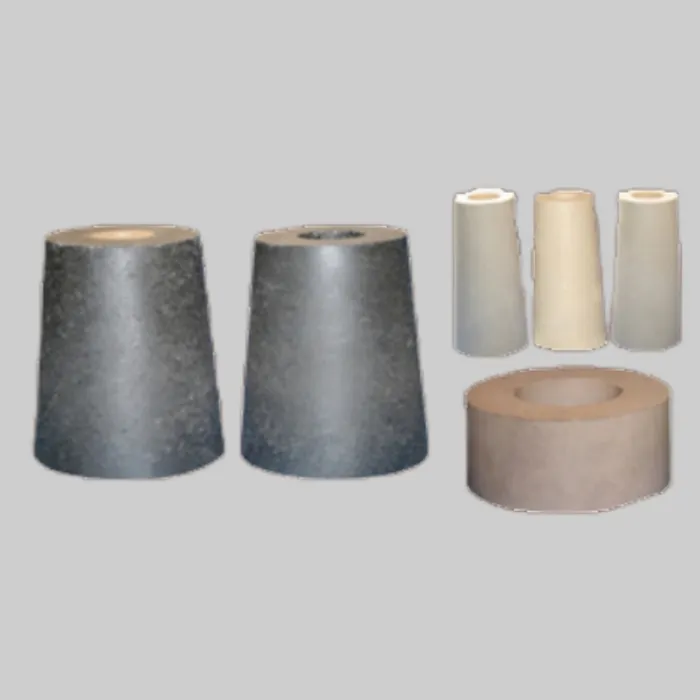
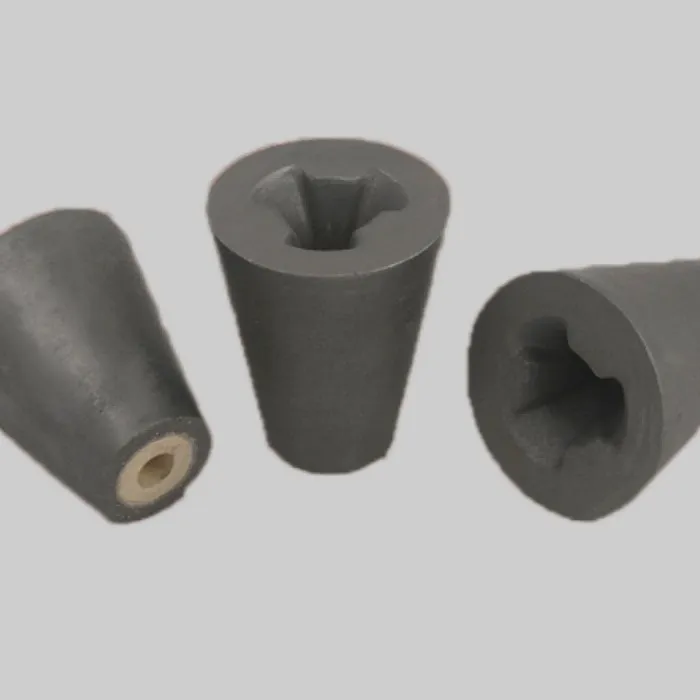
Tundish nozzles come in various designs and sizes to meet the specific requirements of different steel - making processes. Custom - designed nozzles are often more expensive than standard ones. For example, some steel plants may require nozzles with special shapes or internal structures to optimize the flow of molten steel and improve the quality of the cast products.
The design process involves extensive research and development, including computer - aided design (CAD) and numerical simulations. Engineers need to consider factors such as the viscosity of the molten steel, the casting speed, and the geometry of the tundish and mold. All these efforts to create a customized solution add to the cost of the tundish nozzle. If you're interested in our standard or custom - designed Tundish Nozzles, we can provide detailed information based on your needs.
4. Quality and Performance
The quality and performance of a tundish nozzle are directly related to its cost. High - quality nozzles are designed to have a longer service life, better resistance to erosion and corrosion, and more precise flow control. A nozzle with a longer service life means fewer replacements during the steel - making process, reducing downtime and increasing productivity.
For example, a high - performance zirconia nozzle can withstand the harsh environment of molten steel for a longer period compared to a lower - quality alternative. Although the initial cost of a high - quality nozzle is higher, the long - term benefits in terms of reduced maintenance and increased production efficiency often outweigh the upfront investment.
5. Market Competition
The level of competition in the tundish nozzle market also affects the cost. In a highly competitive market, suppliers may offer lower prices to attract customers. However, this doesn't always mean a compromise on quality. Some suppliers can achieve cost - savings through economies of scale, efficient production processes, or strategic partnerships with raw material suppliers.
On the other hand, in a less competitive market, suppliers may have more pricing power. But in such cases, customers should still carefully evaluate the value proposition of the product. As a supplier, we strive to offer high - quality tundish nozzles at competitive prices by continuously optimizing our production processes and maintaining good relationships with our suppliers.
6. Transportation and Logistics
Transportation and logistics costs are often overlooked but can have a significant impact on the final cost of a tundish nozzle. The nozzles are usually heavy and bulky, and transporting them over long distances can be expensive. Factors such as shipping fees, insurance, and customs duties all contribute to the overall cost.
Moreover, the packaging of the nozzles is also important to ensure their safe transportation. Special packaging materials may be required to protect the nozzles from damage during transit, which adds to the cost. We work closely with reliable logistics partners to minimize transportation costs while ensuring the safe and timely delivery of our products.
7. Environmental and Regulatory Compliance
In recent years, environmental and regulatory compliance has become an important factor in the cost of tundish nozzles. Steel - making is an energy - intensive and polluting industry, and there are strict regulations regarding emissions and waste management.
Manufacturers need to invest in environmentally friendly production processes and waste treatment facilities to comply with these regulations. For example, the firing process of tundish nozzles may generate emissions that need to be treated before being released into the environment. The cost of installing and operating these treatment facilities is passed on to the customers in the form of higher product prices.
Conclusion
In conclusion, the cost of a tundish nozzle is determined by a multitude of factors, including raw material costs, manufacturing processes, design and customization, quality and performance, market competition, transportation and logistics, and environmental and regulatory compliance. As a supplier, we understand the importance of providing high - quality products at a reasonable price.
We are committed to working closely with our customers to understand their specific needs and provide cost - effective solutions. Whether you are looking for standard Tundish Nozzles or customized Zirconium Sizing Nozzles and Zirconia Nozzles, we have the expertise and resources to meet your requirements.
If you are interested in purchasing tundish nozzles or would like to discuss your specific needs, please feel free to contact us. We look forward to the opportunity to serve you and contribute to the success of your steel - making operations.
References
- "Refractory Materials in Steelmaking" by John Smith, published by Steel Industry Press.
- "Continuous Casting Technology" by David Brown, published by Metallurgy Publishing House.
- Industry reports on the global zirconium and refractory materials market.