

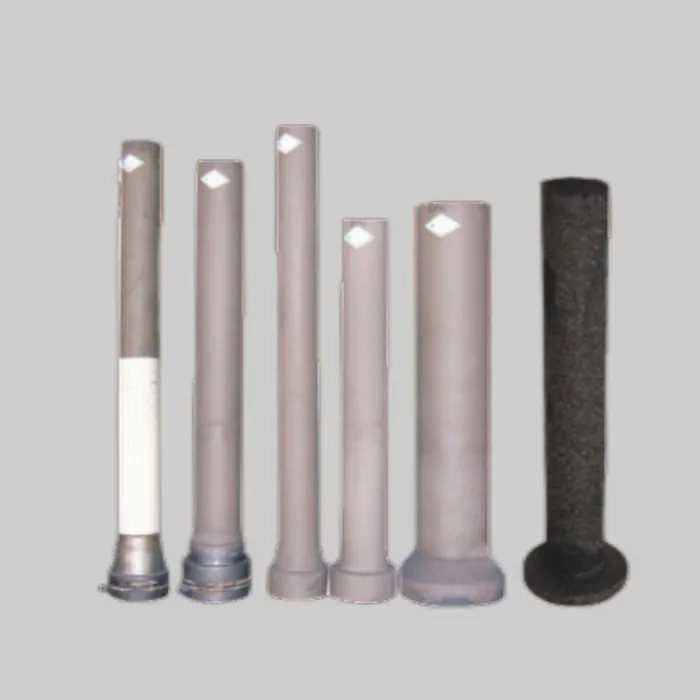
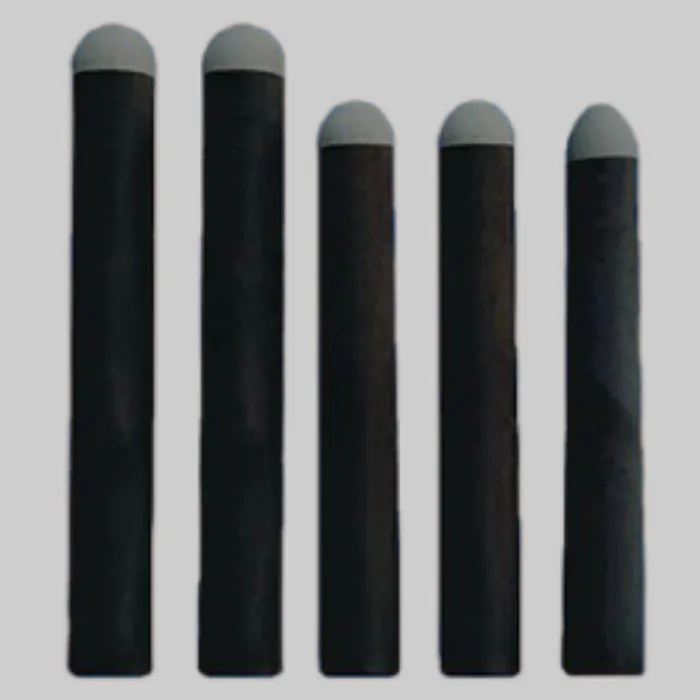
As a supplier of monolithic stoppers, I've witnessed firsthand the challenges that these crucial components face in the demanding environment of steelmaking. Monolithic stoppers play a vital role in controlling the flow of molten steel from ladles to tundishes, ensuring the quality and efficiency of the continuous casting process. However, they are subject to significant wear and tear over time, which can compromise their performance and ultimately affect the overall production process. In this blog post, I'll explore the various factors that contribute to the wear and tear of monolithic stoppers and discuss some strategies for mitigating these issues.
Thermal Stress
One of the primary factors that cause wear and tear of monolithic stoppers is thermal stress. During the steelmaking process, monolithic stoppers are exposed to extreme temperatures, ranging from room temperature to over 1600°C. These rapid temperature changes can cause significant thermal expansion and contraction within the stopper material, leading to the formation of cracks and spalling.
Thermal shock resistance is a critical property of monolithic stoppers, as it determines their ability to withstand these rapid temperature changes without cracking or spalling. Materials with high thermal shock resistance, such as zirconia and alumina, are often used in the manufacture of monolithic stoppers to minimize the effects of thermal stress.
Chemical Erosion
Another significant factor that contributes to the wear and tear of monolithic stoppers is chemical erosion. Molten steel contains various impurities and additives, such as sulfur, phosphorus, and calcium, which can react with the stopper material and cause it to dissolve or corrode. This chemical erosion can weaken the stopper structure and reduce its lifespan.
The composition of the molten steel, as well as the operating conditions of the steelmaking process, can have a significant impact on the rate of chemical erosion. For example, high sulfur and phosphorus content in the molten steel can increase the corrosivity of the slag, leading to more severe chemical erosion of the stopper. Additionally, high temperatures and long contact times between the stopper and the molten steel can also accelerate the chemical erosion process.
To mitigate the effects of chemical erosion, monolithic stoppers are often coated with a protective layer of refractory material, such as zirconia or alumina. These coatings can act as a barrier between the stopper material and the molten steel, reducing the rate of chemical erosion and extending the lifespan of the stopper.
Mechanical Abrasion
Mechanical abrasion is another common cause of wear and tear of monolithic stoppers. During the steelmaking process, the stopper is subjected to mechanical forces, such as friction and impact, as it is moved in and out of the ladle to control the flow of molten steel. These mechanical forces can cause the stopper surface to wear down over time, leading to a reduction in its diameter and a decrease in its performance.
The design and construction of the stopper can also have a significant impact on its resistance to mechanical abrasion. For example, stoppers with a smooth surface finish and a well-designed shape can reduce the friction between the stopper and the ladle, minimizing the effects of mechanical abrasion. Additionally, the use of high-strength and wear-resistant materials in the manufacture of the stopper can also improve its resistance to mechanical abrasion.
Slag Penetration
Slag penetration is another factor that can contribute to the wear and tear of monolithic stoppers. During the steelmaking process, slag, which is a byproduct of the refining process, can penetrate into the pores and cracks of the stopper material, causing it to weaken and degrade. This slag penetration can also lead to the formation of deposits on the stopper surface, which can interfere with its operation and reduce its performance.
The viscosity and composition of the slag, as well as the porosity and microstructure of the stopper material, can have a significant impact on the rate of slag penetration. For example, slags with high viscosity and low surface tension are more likely to penetrate into the stopper material, while stoppers with low porosity and a dense microstructure are more resistant to slag penetration.
To prevent slag penetration, monolithic stoppers are often treated with a surface coating or impregnated with a refractory material to reduce their porosity and improve their resistance to slag penetration. Additionally, the use of proper operating procedures and maintenance practices can also help to minimize the effects of slag penetration on the stopper.
Strategies for Mitigating Wear and Tear
To minimize the wear and tear of monolithic stoppers and extend their lifespan, it is essential to implement a comprehensive maintenance and monitoring program. This program should include regular inspections of the stoppers to detect any signs of wear or damage, as well as the replacement of worn or damaged stoppers in a timely manner.
In addition to regular inspections and maintenance, it is also important to use high-quality monolithic stoppers that are specifically designed for the operating conditions of the steelmaking process. These stoppers should be made from materials with high thermal shock resistance, chemical corrosion resistance, and mechanical abrasion resistance to ensure their long-term performance.
Another strategy for mitigating wear and tear is to optimize the operating conditions of the steelmaking process. This can include controlling the temperature, composition, and flow rate of the molten steel, as well as the contact time between the stopper and the molten steel. By optimizing these operating conditions, it is possible to reduce the stress on the stopper and minimize the rate of wear and tear.
Finally, it is important to work closely with a reputable supplier of monolithic stoppers to ensure that you are using the right products for your specific needs. A good supplier will be able to provide you with expert advice and support on the selection, installation, and maintenance of monolithic stoppers, as well as the latest information on the latest technologies and materials available in the market.
Conclusion
In conclusion, the wear and tear of monolithic stoppers is a complex issue that is caused by a combination of factors, including thermal stress, chemical erosion, mechanical abrasion, and slag penetration. By understanding these factors and implementing a comprehensive maintenance and monitoring program, it is possible to minimize the wear and tear of monolithic stoppers and extend their lifespan.
As a supplier of monolithic stoppers, I am committed to providing my customers with high-quality products and expert advice and support to help them optimize their steelmaking processes. If you are interested in learning more about our monolithic stoppers or would like to discuss your specific needs, please [Contact us]. We look forward to working with you to improve the efficiency and performance of your steelmaking operations.
References
- "Refractories for Steelmaking," by John N. Mitchell
- "Continuous Casting of Steel," by J. K. Brimacombe and M. G. Thomas
- "Thermal Shock Resistance of Refractory Materials," by R. C. Bradt and D. P. H. Hasselman