

Hey there! As a fire brick supplier, I often get asked about the resistance of fire bricks to sulfur - containing gases. It's a crucial topic, especially for industries where these gases are present, like power plants, steel mills, and chemical factories. In this blog, I'll break down what you need to know about how fire bricks stand up to sulfur - containing gases.
First off, let's talk about why sulfur - containing gases are a big deal. Sulfur dioxide (SO₂) and hydrogen sulfide (H₂S) are two common sulfur - containing gases found in industrial environments. These gases can be pretty aggressive. When they come into contact with fire bricks at high temperatures, they can cause chemical reactions that lead to the deterioration of the bricks.
One of the main issues is sulfation. When sulfur - containing gases react with the components of fire bricks, they can form sulfates. These sulfates can expand, causing internal stresses within the brick. Over time, this can lead to cracking, spalling, and a reduction in the brick's overall strength and insulation properties.
Now, not all fire bricks are created equal when it comes to resisting sulfur - containing gases. Different types of fire bricks have different compositions, and these compositions play a huge role in their resistance.
Let's start with Zirconia Mullite Brick. These bricks are known for their high - temperature stability and excellent chemical resistance. Zirconia and mullite are both very stable compounds at high temperatures. The zirconia provides a high melting point and good resistance to thermal shock, while the mullite has a low thermal expansion coefficient. When it comes to sulfur - containing gases, the stable chemical structure of zirconia mullite bricks makes them less likely to react with the gases. They can withstand the corrosive effects of sulfur dioxide and hydrogen sulfide better than some other types of bricks.
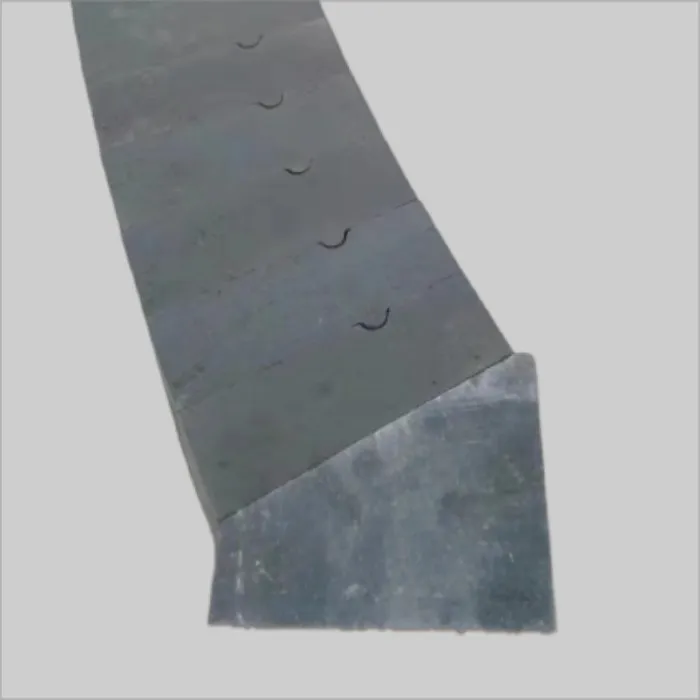
Another type is Silicon Carbide Refractory Bricks. Silicon carbide is a very hard and chemically stable material. These bricks have high thermal conductivity and excellent mechanical strength. In the presence of sulfur - containing gases, silicon carbide refractory bricks form a protective oxide layer on their surface. This oxide layer acts as a barrier, preventing the sulfur - containing gases from reaching the inner part of the brick and causing damage. However, in extremely high - sulfur environments, the long - term exposure to sulfur - containing gases can still cause some degradation, but it takes a much longer time compared to other less - resistant bricks.
Magnesia Spinel Bricks are also worth mentioning. Magnesia spinel bricks are made from a combination of magnesia (MgO) and spinel (MgAl₂O₄). Magnesia is known for its high basicity, which can react with acidic sulfur - containing gases. The spinel phase helps to improve the thermal shock resistance and the overall strength of the brick. In some cases, the reaction between magnesia and sulfur - containing gases can form a protective layer on the surface of the brick, which can slow down the corrosion process. But if the sulfur content is too high, the magnesia can react too vigorously, leading to the formation of volatile compounds and potential damage to the brick.
When choosing fire bricks for an environment with sulfur - containing gases, there are a few factors to consider.
The concentration of sulfur - containing gases is a major factor. If the concentration is relatively low, you might be able to get away with using more standard - type fire bricks. But in high - sulfur environments, you'll definitely want to opt for bricks with high resistance, like zirconia mullite bricks or silicon carbide refractory bricks.
The temperature is also important. Higher temperatures can accelerate the chemical reactions between the sulfur - containing gases and the fire bricks. So, if your application involves very high temperatures, you need to choose bricks that can maintain their resistance at those temperatures.
The duration of exposure is another key factor. If the fire bricks are only going to be exposed to sulfur - containing gases for a short period, you might have more flexibility in your choice. But for long - term exposure, you need to invest in high - quality, highly resistant bricks.
As a fire brick supplier, I've seen firsthand the importance of choosing the right fire bricks for sulfur - containing gas environments. A wrong choice can lead to frequent brick replacements, increased maintenance costs, and even production downtime.
If you're in an industry where sulfur - containing gases are a concern, I'd highly recommend getting in touch to discuss your specific needs. Whether you're building a new furnace, upgrading an existing one, or just looking for advice on fire brick selection, I'm here to help. We can work together to find the best fire bricks that will give you long - lasting performance and resistance in your sulfur - rich environment.
References
- Some standard textbooks on refractory materials
- Industry reports on the performance of fire bricks in sulfur - containing gas environments