

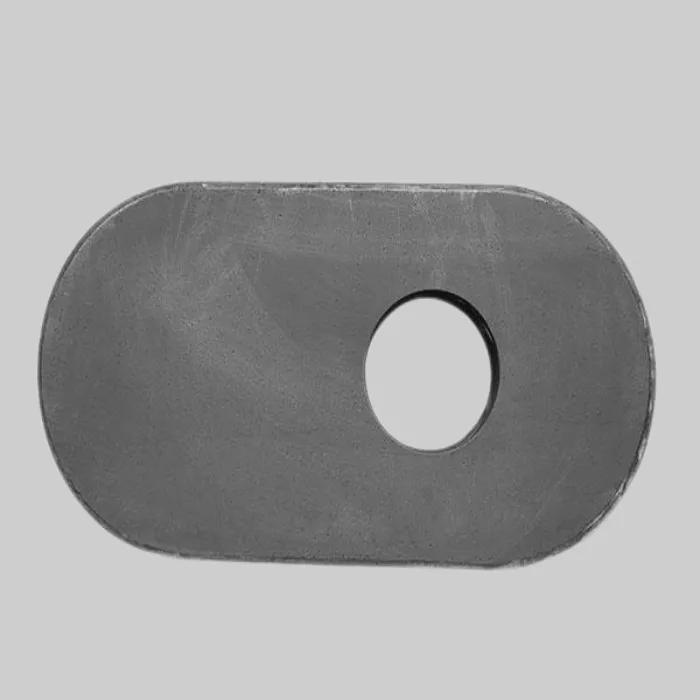
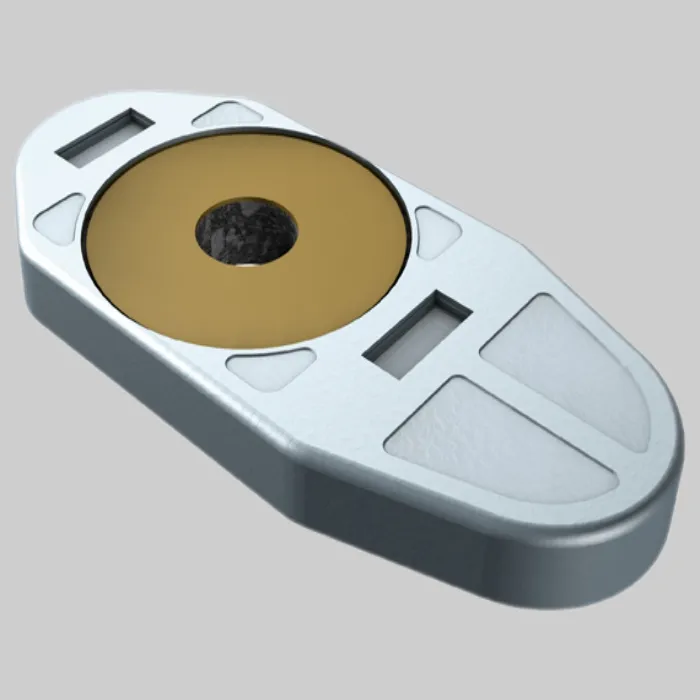
As a supplier of slide gate plates, I've witnessed firsthand the significant role that humidity plays in the performance and longevity of these crucial refractory components. In the steelmaking and metallurgical industries, slide gate plates are essential for controlling the flow of molten metal during the casting process. Their proper functioning is paramount to ensuring the quality and efficiency of the overall operation. In this blog, I'll delve into the various ways humidity can influence slide gate plates and why it's crucial for users to be aware of these factors.
Physical and Chemical Changes
Humidity, which refers to the amount of water vapor present in the air, can have a profound impact on the physical and chemical properties of slide gate plates. Most slide gate plates are made from refractory materials such as alumina, magnesia, or zirconia, which are designed to withstand high temperatures and harsh chemical environments. However, these materials can be sensitive to moisture, and exposure to high humidity levels can lead to several issues.
One of the primary concerns is the absorption of water by the refractory material. When slide gate plates are exposed to humid conditions, water molecules can penetrate the pores and microcracks in the material, causing it to expand. This expansion can lead to internal stresses within the plate, which may result in cracking or spalling over time. Additionally, the presence of water can also react with certain components of the refractory material, leading to chemical changes that can weaken its structure and reduce its resistance to corrosion and thermal shock.
Impact on Thermal Conductivity
Another important aspect to consider is the effect of humidity on the thermal conductivity of slide gate plates. Thermal conductivity is a measure of how well a material can conduct heat, and it plays a crucial role in the performance of slide gate plates during the casting process. When slide gate plates are exposed to high humidity levels, the presence of water can increase their thermal conductivity, which means that they will transfer heat more efficiently.
While this may seem like a positive thing, it can actually have some negative consequences. In the steelmaking process, slide gate plates are designed to act as a barrier between the molten metal and the surrounding environment, helping to maintain a stable temperature and prevent heat loss. However, if the thermal conductivity of the slide gate plate is increased due to humidity, it can lead to faster heat transfer from the molten metal to the surrounding environment, which can cause the metal to solidify prematurely and affect the quality of the cast product.
Influence on Friction and Wear
Humidity can also have an impact on the friction and wear characteristics of slide gate plates. During the casting process, slide gate plates are subjected to high levels of friction and wear as they slide against each other to control the flow of molten metal. The presence of water can act as a lubricant, reducing the friction between the plates and making them easier to slide. While this may seem like an advantage, it can also lead to increased wear and tear on the plates over time.
In addition, the presence of water can also cause corrosion and oxidation of the metal components of the slide gate system, such as the bolts and nuts that hold the plates in place. This can weaken the structural integrity of the system and increase the risk of failure during operation.
Prevention and Mitigation Strategies
Given the potential impact of humidity on slide gate plates, it's important for users to take steps to prevent and mitigate these issues. One of the most effective ways to do this is to store slide gate plates in a dry environment with low humidity levels. This can help to prevent the absorption of water by the refractory material and reduce the risk of cracking and spalling.
In addition, it's also important to ensure that slide gate plates are properly installed and maintained. This includes checking for any signs of damage or wear before use and replacing any worn or damaged components as needed. Regular cleaning and lubrication of the slide gate system can also help to reduce friction and wear and prevent corrosion and oxidation.
Finally, it's important to work with a reputable supplier of slide gate plates who can provide high-quality products and offer technical support and advice on how to use and maintain them properly. At [Supplier Name], we have extensive experience in the production and supply of slide gate plates and can provide our customers with the latest information and guidance on how to ensure the optimal performance of their slide gate systems.
Conclusion
In conclusion, humidity can have a significant impact on the performance and longevity of slide gate plates. From physical and chemical changes to thermal conductivity, friction, and wear, the presence of water can affect various aspects of these crucial refractory components. By understanding these factors and taking appropriate prevention and mitigation measures, users can ensure the reliable and efficient operation of their slide gate systems and produce high-quality cast products.
If you're interested in learning more about slide gate plates and how humidity can affect their performance, or if you're looking for a reliable supplier of high-quality slide gate plates, please don't hesitate to [Contact Information]. We'd be happy to discuss your specific needs and provide you with the best solutions for your application.
References
- ASTM International. (Year). Standard Test Methods for Thermal Conductivity of Refractory Materials. ASTM C201.
- ASM International. (Year). Metals Handbook: Properties and Selection: Nonferrous Alloys and Special-Purpose Materials.
- International Organization for Standardization. (Year). ISO 10052: Refractory Products - Determination of Bulk Density, Apparent Porosity, and True Porosity.