

Hey there! As a magnesite brick supplier, I've gotten tons of questions from customers about the maintenance costs of magnesite bricks. So, I thought I'd sit down and write this blog to break it all down for you.
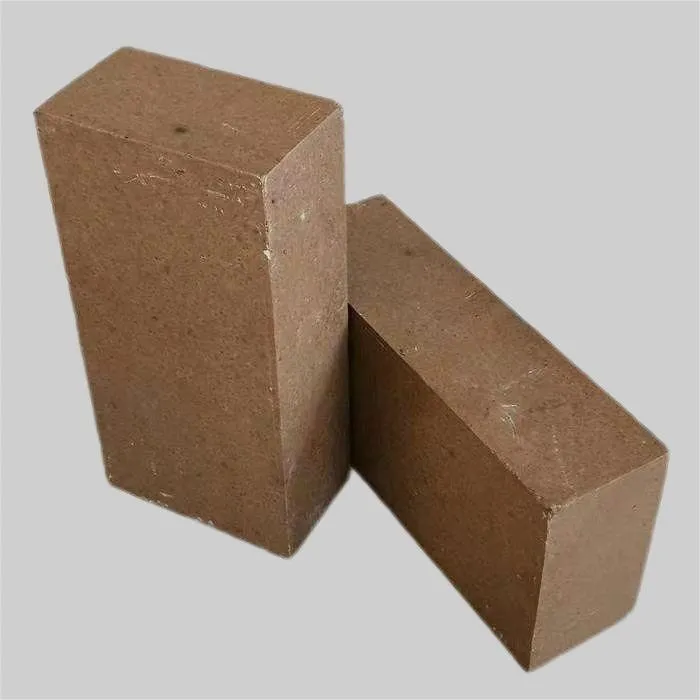
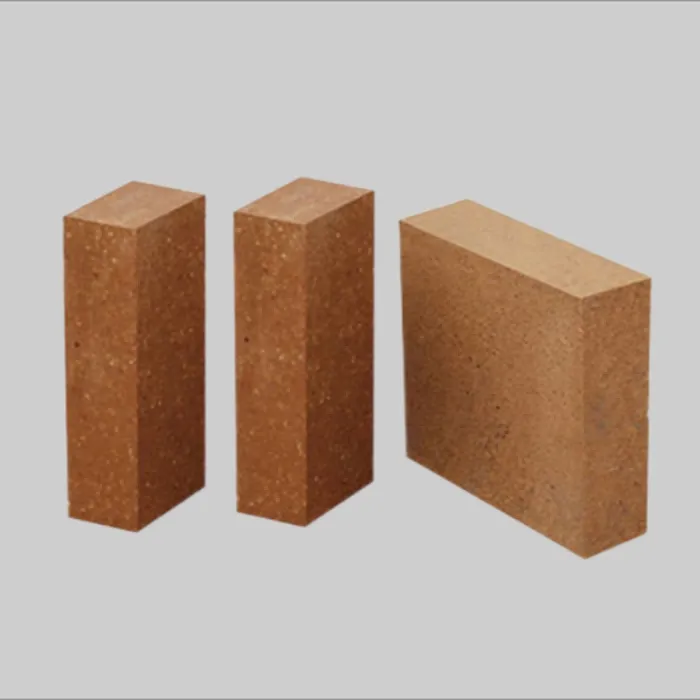
First off, let's talk about what magnesite bricks are. Magnesite bricks, also known as Mgo Brick or Magnesia Brick, are made from magnesite, which is a mineral rich in magnesium carbonate. These bricks are super popular in industries like steelmaking, cement production, and glass manufacturing because of their high refractoriness and good thermal stability. They can withstand really high temperatures without melting or deforming, making them a go - to choice for lining furnaces and other high - heat equipment.
Now, let's get into the nitty - gritty of maintenance costs. There are a few key factors that can affect how much it'll cost to maintain magnesite bricks.
1. Wear and Tear
One of the biggest factors is wear and tear. In high - temperature environments, magnesite bricks are constantly exposed to extreme heat, chemical reactions, and mechanical stress. Over time, this can cause the bricks to erode, crack, or spall. The rate of wear and tear depends on a few things:
- Temperature: The higher the temperature, the faster the bricks will degrade. For example, in a steelmaking furnace where temperatures can reach over 1600°C, the magnesite bricks will wear out more quickly compared to a less - intense heat application.
- Chemical Exposure: If the bricks come into contact with aggressive chemicals like slags or fluxes, they can react with these substances. This chemical reaction can weaken the structure of the bricks and lead to faster deterioration. For instance, in a cement kiln, the alkaline environment can cause chemical corrosion of the magnesite bricks.
- Mechanical Stress: Physical impacts from things like charging materials or the movement of equipment inside the furnace can also cause damage. If the bricks are not properly installed or supported, they are more likely to crack under mechanical stress.
To deal with wear and tear, you'll need to regularly inspect the bricks. This might involve visual inspections, using non - destructive testing methods like ultrasonic testing to check for internal cracks, or taking samples for laboratory analysis. When you find damaged bricks, you'll have to replace them. The cost of replacement includes the price of the new Magnesite Refractory Bricks, labor costs for removal and installation, and any downtime associated with the replacement process.
2. Cleaning and Repairs
Regular cleaning is an important part of maintenance. In some industrial processes, deposits can build up on the surface of the magnesite bricks. These deposits can insulate the bricks, reducing their heat transfer efficiency and increasing the risk of overheating. Cleaning methods can vary depending on the type of deposit. Sometimes, you can use mechanical methods like scraping or brushing. In other cases, chemical cleaning agents might be required.
If the bricks have minor cracks or damage, you can often repair them instead of replacing them completely. There are various repair techniques available, such as patching with refractory mortar or using gunning materials. The cost of cleaning and repairs includes the cost of cleaning agents or repair materials, as well as the labor cost for the cleaning and repair work.
3. Thermal Cycling
Thermal cycling is another factor that can affect maintenance costs. Thermal cycling refers to the repeated heating and cooling of the bricks. Every time the temperature changes, the bricks expand and contract. Over time, this can cause internal stresses in the bricks, leading to cracking and spalling.
To minimize the impact of thermal cycling, you might need to use special refractory coatings or insulation materials. These materials can help to reduce the temperature gradient across the bricks and prevent rapid expansion and contraction. The cost of these additional materials and their application should be factored into the maintenance budget.
4. Energy Costs
Believe it or not, energy costs are also related to magnesite brick maintenance. As the bricks wear out, their insulation properties can decrease. This means that more energy is required to maintain the desired temperature in the furnace or other equipment. Higher energy consumption not only increases your operating costs but can also put additional stress on the remaining bricks, accelerating their deterioration.
To address this issue, you might need to invest in more energy - efficient refractory materials or improve the insulation of the furnace. Upgrading to better - performing magnesite bricks or adding extra insulation layers can help to reduce energy losses and lower long - term maintenance costs.
Estimating Maintenance Costs
It's hard to give an exact figure for the maintenance costs of magnesite bricks because it varies so much depending on the application. However, I can give you a rough idea based on industry averages.
- Inspection Costs: Regular inspections can cost anywhere from a few hundred to a few thousand dollars per year, depending on the size of the installation and the complexity of the inspection methods.
- Replacement Costs: The cost of replacing magnesite bricks can range from a few dollars per brick to hundreds of dollars per square meter, depending on the quality and size of the bricks. Labor costs for replacement can add another significant amount, especially for large - scale installations.
- Cleaning and Repair Costs: Cleaning and minor repairs might cost a few hundred to a few thousand dollars per year, again depending on the extent of the work.
Tips to Reduce Maintenance Costs
Here are some tips to help you keep your maintenance costs down:
- Proper Installation: Make sure the magnesite bricks are installed correctly. This includes using the right mortar, ensuring proper alignment, and providing adequate support. A well - installed brickwork will be more resistant to wear and tear.
- Regular Monitoring: Set up a regular monitoring schedule to catch any issues early. Early detection of damage can allow you to make minor repairs instead of costly full - scale replacements.
- Control the Environment: Try to control the temperature, chemical exposure, and mechanical stress as much as possible. For example, you can optimize the operating conditions of the furnace to reduce the impact on the bricks.
Conclusion
So, as you can see, the maintenance costs of magnesite bricks can be significant, but they're also manageable. By understanding the factors that affect wear and tear, and taking proactive steps to maintain the bricks, you can keep your costs in check.
If you're in the market for magnesite bricks or have any questions about their maintenance, I'd love to chat. Whether you're a small - scale operation or a large industrial facility, I can provide you with high - quality Magnesite Refractory Bricks and advice on how to minimize your maintenance costs. Don't hesitate to reach out and start a conversation about your specific needs.
References
- "Refractories Handbook" - A comprehensive guide on refractory materials, including magnesite bricks.
- Industry reports on high - temperature applications and refractory maintenance.