

Hey there! As a supplier of bubble alumina, I'm super stoked to chat with you about whether bubble alumina is a good material for thermal insulation coatings. Let's dive right in and explore this topic from different angles.
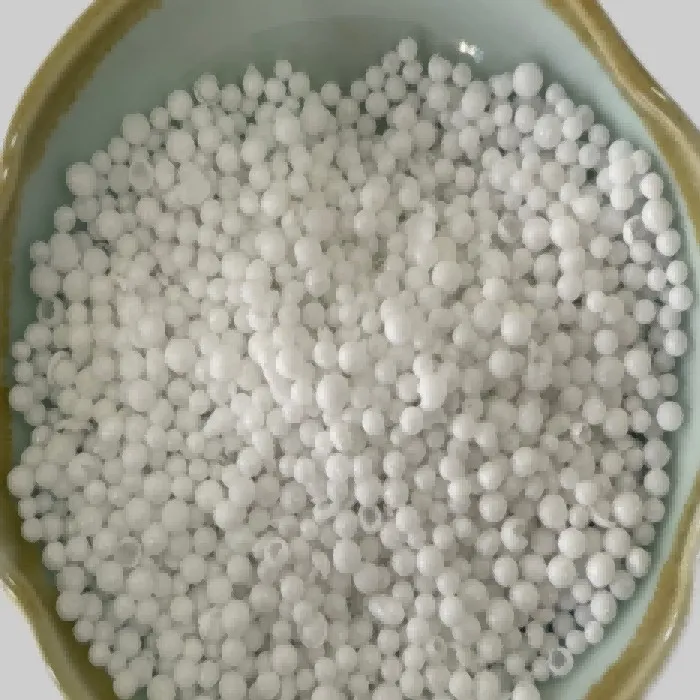
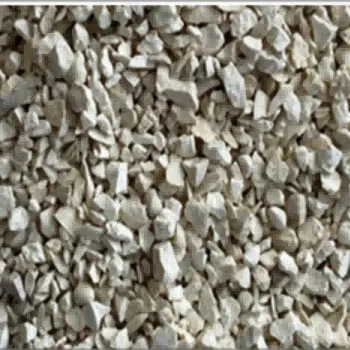
First off, what exactly is bubble alumina? Bubble alumina, as the name suggests, is a type of alumina that has a unique bubble - like structure. You can check out more details about it on this link: Bubble Alumina. This special structure gives it some pretty awesome properties that are relevant when it comes to thermal insulation coatings.
One of the key things we look for in a thermal insulation material is its low thermal conductivity. Thermal conductivity is a measure of how easily heat can pass through a material. The lower the thermal conductivity, the better the material is at keeping heat from transferring. Bubble alumina has a relatively low thermal conductivity compared to many other materials. This is mainly because of those bubbles inside it. The air trapped within the bubbles acts as an insulator. Air is a poor conductor of heat, and when it's encapsulated in the bubble alumina, it helps to slow down the transfer of heat through the material.
Another great aspect of bubble alumina is its high melting point. Alumina in general has a very high melting point, and bubble alumina inherits this characteristic. This is crucial for thermal insulation coatings because in many applications, the coatings are exposed to high temperatures. For example, in industrial furnaces or automotive engines, the temperatures can get extremely high. A coating made with bubble alumina can withstand these high temperatures without melting or degrading easily. This means that it can provide long - term thermal insulation even in harsh environments.
Bubble alumina also has good chemical stability. It doesn't react easily with most chemicals, which is a big plus for thermal insulation coatings. In industrial settings, there might be various chemicals present in the environment. If the thermal insulation coating were to react with these chemicals, it could lose its effectiveness over time. But with bubble alumina, you don't have to worry too much about chemical reactions. This chemical stability ensures that the coating maintains its thermal insulation properties for a long time.
Now, let's compare bubble alumina with another popular material for thermal insulation coatings: synthetic cordierite. You can learn more about synthetic cordierite here: Synthetic Cordierite. Synthetic cordierite also has low thermal conductivity and is used in many thermal insulation applications. However, bubble alumina has some advantages over it.
In terms of mechanical strength, bubble alumina is often stronger. When a thermal insulation coating is applied, it needs to be able to withstand some mechanical stress. For example, in a vibrating machine or a structure that experiences some movement, the coating should not crack or peel off easily. Bubble alumina provides better mechanical support to the coating, making it more durable in such situations.
Cost - effectiveness is also an important factor. While the initial cost of bubble alumina might seem a bit high compared to some other materials, its long - term benefits make it a cost - effective choice. Because of its high melting point, chemical stability, and mechanical strength, the coating made with bubble alumina lasts longer. You don't have to replace the coating as often as you might with a coating made from a less durable material. This means that in the long run, you save money on replacement and maintenance costs.
However, bubble alumina isn't without its challenges. One of the difficulties in using bubble alumina for thermal insulation coatings is the manufacturing process. Producing high - quality bubble alumina with consistent properties can be tricky. It requires precise control of the manufacturing parameters to ensure that the bubble structure is uniform and the material has the desired thermal and mechanical properties. But as a supplier, we've been working hard to optimize our manufacturing process to overcome these challenges and provide high - quality bubble alumina to our customers.
Another aspect to consider is the application process of the thermal insulation coating. The coating needs to be applied evenly to achieve the best thermal insulation results. If the coating is too thick or too thin in some areas, it can affect its performance. But with proper training and the right equipment, the application of a bubble alumina - based coating can be done effectively.
In the market, there is an increasing demand for high - performance thermal insulation coatings. With the growth of industries such as aerospace, automotive, and energy, there is a need for materials that can provide better thermal insulation in more challenging environments. Bubble alumina fits the bill perfectly. Its unique properties make it a great candidate for developing advanced thermal insulation coatings.
So, is bubble alumina a good material for thermal insulation coatings? In my opinion, the answer is a resounding yes. Its low thermal conductivity, high melting point, chemical stability, and mechanical strength make it an excellent choice for a wide range of applications. Whether you're looking to insulate an industrial furnace, an automotive engine, or a high - tech aerospace component, bubble alumina can help you achieve better thermal insulation performance.
If you're in the market for thermal insulation coatings or are interested in using bubble alumina for your projects, I'd love to have a chat with you. We can discuss your specific requirements, and I can provide you with more information about our high - quality bubble alumina products. Don't hesitate to reach out and start a conversation about how bubble alumina can benefit your business.
References
- [1] "Handbook of Advanced Ceramics: Materials, Applications, Processing, and Properties"
- [2] "Thermal Insulation Materials: Fundamentals and Applications"