

Hey there! As a supplier of tundish shrouds, I'm super excited to take you through the manufacturing processes of these crucial components in the steelmaking industry. Tundish shrouds play a vital role in ensuring the smooth and efficient transfer of molten steel from the tundish to the mold, protecting it from oxidation and contamination. So, let's dive right in!
Raw Material Selection
The first step in manufacturing a tundish shroud is selecting the right raw materials. We need materials that can withstand the extreme temperatures and chemical reactions involved in steelmaking. Typically, we use high - quality refractory materials such as alumina, magnesia, and zirconia. These materials have excellent thermal stability, corrosion resistance, and mechanical strength.
We source our raw materials from trusted suppliers who meet our strict quality standards. Before using them, we conduct thorough quality checks to ensure they are free from impurities and have the right chemical composition. This is super important because any sub - standard raw material can affect the performance and durability of the final product.
Mixing and Blending
Once we have the raw materials, it's time to mix and blend them. We use specialized mixing equipment to ensure a homogeneous mixture. The proportion of each raw material is carefully calculated based on the desired properties of the tundish shroud. For example, if we need a shroud with higher thermal shock resistance, we might adjust the ratio of alumina and magnesia.
During the mixing process, we also add binders and additives. Binders help hold the raw materials together, while additives can enhance certain properties like plasticity or sinterability. This step is like baking a cake - getting the right mix is the key to a great end - product.
Forming
After the mixing is done, it's time to form the tundish shroud. There are several forming methods we can use, and the choice depends on the shape and size of the shroud we need to produce.
One common method is extrusion. In extrusion, the mixed material is forced through a die to create a continuous shape. This is great for producing shrouds with a uniform cross - section, like straight tubes. It's a fast and efficient method, but it has some limitations when it comes to complex shapes.
Another method is isostatic pressing. In this process, the mixed material is placed in a rubber mold and then subjected to high - pressure from all directions. This results in a very dense and uniform product, which is ideal for shrouds that need to withstand high - pressure and high - temperature conditions. However, isostatic pressing is more expensive and time - consuming compared to extrusion.
Drying
Once the tundish shroud is formed, it needs to be dried. Drying is an important step because it removes the moisture from the green body (the un - fired shroud). If there is too much moisture left in the shroud when it's fired, it can cause cracking or other defects.
We use controlled drying chambers to ensure a slow and even drying process. The temperature and humidity in the drying chamber are carefully monitored to prevent any rapid changes that could damage the shroud. Depending on the size and thickness of the shroud, the drying process can take anywhere from a few hours to a few days.
Firing
Firing is the most critical step in the manufacturing process. It transforms the green body into a hard, durable refractory product. We use high - temperature kilns to fire the tundish shrouds. The firing temperature can range from 1500°C to 1800°C, depending on the type of raw materials and the desired properties of the shroud.
During firing, the binders burn off, and the raw materials undergo a series of chemical and physical changes. The particles bond together, forming a strong and dense structure. We carefully control the firing process, including the heating rate, holding time, and cooling rate, to ensure the best possible quality of the final product.
Machining and Finishing
After firing, the tundish shroud may need some machining and finishing. Machining is used to achieve the precise dimensions and surface finish required. We use tools like lathes, grinders, and drills to remove any excess material and to create the necessary features, such as flanges or grooves.
Finishing is also important for improving the performance of the shroud. We may apply coatings to the surface of the shroud to enhance its corrosion resistance or to reduce the adhesion of molten steel. This can significantly extend the service life of the shroud.
Quality Control
Throughout the manufacturing process, we have a strict quality control system in place. We conduct a series of tests at each stage to ensure that the tundish shrouds meet our high - quality standards.
Some of the tests we perform include dimensional checks, density measurements, thermal shock resistance tests, and corrosion resistance tests. We also use non - destructive testing methods, such as ultrasonic testing and X - ray inspection, to detect any internal defects that may not be visible to the naked eye.
Conclusion
So, there you have it - the manufacturing processes of a tundish shroud. From raw material selection to quality control, each step is crucial in producing a high - quality product that can meet the demanding requirements of the steelmaking industry.
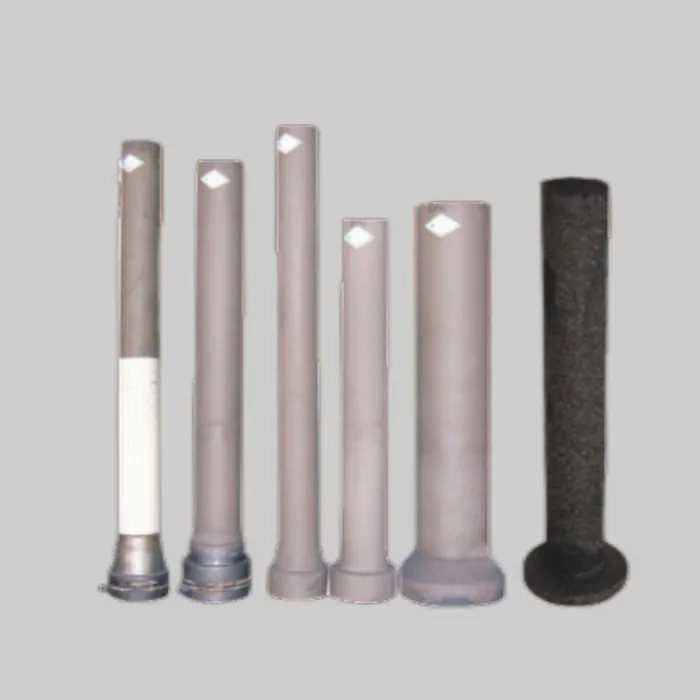
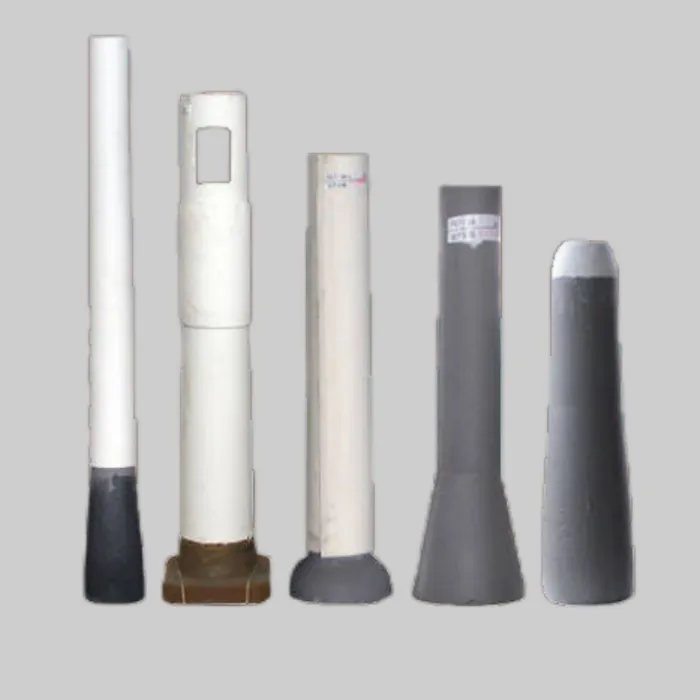
As a tundish shroud supplier, we're committed to providing the best products and services to our customers. Our shrouds are designed to offer excellent performance, durability, and reliability. If you're in the market for tundish shrouds, Subentry Nozzle, Sub Entry Nozzle or Ladle Shroud, we'd love to hear from you. Whether you need a standard product or a custom - designed solution, we have the expertise and resources to meet your needs. Don't hesitate to reach out to us for a quote or to discuss your specific requirements. We're here to help you make the right choice for your steelmaking operations.
References
- "Refractory Materials in Steelmaking" - Industry Handbook
- "Manufacturing Processes of High - Temperature Ceramics" - Academic Journal