

In the dynamic landscape of the casting industry, the ladle shroud stands as a crucial component, playing a pivotal role in the continuous casting process. As a dedicated ladle shroud supplier, I've witnessed firsthand the intricate balance between industrial efficiency and environmental stewardship. This blog post delves into how ladle shrouds impact the environment within the casting workshop, exploring both the challenges and opportunities for sustainable practices.
The Role of Ladle Shrouds in the Casting Process
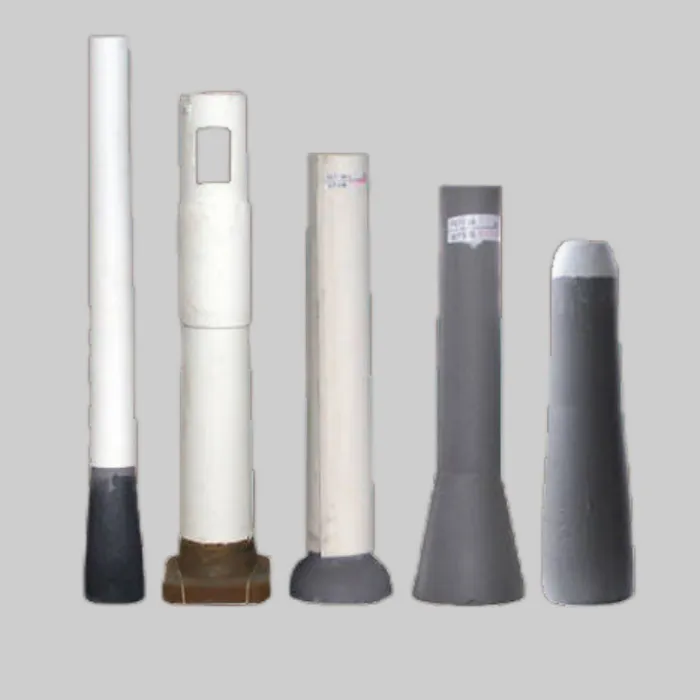
Ladle shrouds are essential refractory tubes used to connect the ladle to the tundish during continuous casting. Their primary function is to protect the molten steel from atmospheric contamination, such as oxidation and nitrogen pickup, which can degrade the quality of the final product. By creating a sealed environment for the steel flow, ladle shrouds ensure a clean and consistent casting process, resulting in high - quality steel products.
However, the production and use of ladle shrouds also have environmental implications. The manufacturing process of ladle shrouds typically involves high - energy consumption and the use of raw materials, which can contribute to environmental degradation if not managed properly.
Environmental Impact of Ladle Shroud Production
Energy Consumption
The production of ladle shrouds requires significant amounts of energy. The refractory materials used in ladle shrouds, such as alumina, magnesia, and zirconia, are processed at high temperatures in kilns. These high - temperature firing processes consume large quantities of fossil fuels, leading to the emission of greenhouse gases (GHGs) like carbon dioxide (CO₂). As a supplier, we are constantly exploring ways to reduce energy consumption in our production facilities. This includes investing in energy - efficient kilns and optimizing firing schedules to minimize fuel usage.
Raw Material Extraction
The extraction of raw materials for ladle shrouds can have a substantial environmental impact. Mining activities for refractory minerals can cause habitat destruction, soil erosion, and water pollution. For example, the extraction of bauxite, a major source of alumina, can lead to deforestation and the displacement of local wildlife. To mitigate these impacts, we source our raw materials from suppliers who adhere to strict environmental and social responsibility standards. We also support research into alternative, more sustainable raw materials that can be used in ladle shroud production.
Environmental Impact of Ladle Shroud Use in the Casting Workshop
Waste Generation
During the casting process, ladle shrouds eventually reach the end of their service life and become waste. These used ladle shrouds are often discarded, contributing to the waste stream in the casting workshop. Improper disposal of these refractory waste materials can pose environmental risks, such as soil and water contamination. To address this issue, we are actively involved in promoting the recycling and reuse of used ladle shrouds. Some of the refractory materials can be crushed and reused in other applications, such as in the production of low - grade refractories or as aggregates in construction materials.
Air Pollution
Although ladle shrouds are designed to protect the molten steel from atmospheric contamination, they can also contribute to air pollution in the casting workshop. During the casting process, the high - temperature interaction between the molten steel and the ladle shroud can cause the release of fine particulate matter (PM) and volatile organic compounds (VOCs). These pollutants can pose health risks to workers in the workshop and contribute to poor air quality in the surrounding environment. To reduce air pollution, we are developing ladle shrouds with improved insulation properties and lower emission characteristics. Additionally, we work with our customers to implement effective ventilation systems in their casting workshops to capture and remove pollutants from the air.
Opportunities for Environmental Improvement
Technological Advancements
The development of new technologies offers promising opportunities to reduce the environmental impact of ladle shrouds. For example, the use of advanced refractory coatings can extend the service life of ladle shrouds, reducing the frequency of replacement and waste generation. Nanocomposite materials are also being explored for their potential to improve the performance and durability of ladle shrouds while reducing the use of traditional raw materials.
Collaborative Efforts
Collaboration between ladle shroud suppliers, casting manufacturers, and research institutions is essential for driving environmental improvements in the casting industry. By working together, we can share knowledge and resources to develop more sustainable solutions. For instance, suppliers can collaborate with casting workshops to optimize the design and use of ladle shrouds, while research institutions can conduct studies on new materials and processes to reduce environmental impacts.

The Importance of Sustainable Sourcing and Production
As a ladle shroud supplier, we recognize the importance of sustainable sourcing and production. We are committed to reducing our carbon footprint by implementing energy - saving measures in our production facilities and sourcing raw materials from sustainable suppliers. Our efforts not only benefit the environment but also enhance the long - term viability of our business. By offering high - quality, environmentally friendly ladle shrouds, we can meet the growing demand from customers who are increasingly conscious of environmental issues.
Related Products and Their Environmental Impact
In addition to ladle shrouds, other refractory products such as the Sub Entry Nozzle, Well Blcok, and Subentry Nozzle also play important roles in the casting process. These products have similar environmental challenges as ladle shrouds, including energy consumption during production, raw material extraction, and waste generation. However, through continuous innovation and sustainable practices, we can minimize their environmental impact and contribute to a more sustainable casting industry.
Conclusion
The ladle shroud has a significant impact on the environment in the casting workshop, both during its production and use. While there are challenges associated with energy consumption, raw material extraction, waste generation, and air pollution, there are also numerous opportunities for improvement. Through technological advancements, collaborative efforts, and a commitment to sustainable sourcing and production, we can reduce the environmental footprint of ladle shrouds and other refractory products in the casting industry.
If you are in the casting industry and are interested in high - quality, environmentally friendly ladle shrouds, we invite you to contact us for a procurement discussion. We are dedicated to providing you with the best solutions that meet your production needs while minimizing environmental impact.
References
- Smith, J. (2018). "Environmental Challenges in the Refractory Industry." Journal of Refractory Materials, 25(3), 123 - 135.
- Johnson, A. (2019). "Sustainable Practices in Continuous Casting." International Journal of Casting Technology, 32(2), 89 - 98.
- Brown, C. (2020). "Advances in Refractory Materials for the Metals Industry." Materials Science and Engineering Review, 45(4), 201 - 215.