

What are the raw materials for making glass?
As a seasoned raw material supplier deeply entrenched in the glass - making industry, I've witnessed firsthand the crucial role that raw materials play in the creation of glass. Glass, a ubiquitous material in our daily lives, from the windows in our homes to the screens of our smartphones, owes its existence to a carefully selected combination of raw materials. In this blog, I'll delve into the primary raw materials used in glass production and how they contribute to the unique properties of glass.
Silica Sand
Silica sand, also known as quartz sand, is the fundamental building block of glass. Composed mainly of silicon dioxide (SiO₂), it makes up the majority of glass composition. Silica sand provides the basic structure of glass and gives it its transparency, hardness, and chemical resistance. High - purity silica sand is essential for producing high - quality glass. The sand is mined from various sources, such as riverbeds, beaches, and quarries. After extraction, it undergoes a series of purification processes to remove impurities like iron oxide, which can cause discoloration in the glass.
The melting point of pure silica is extremely high, around 1710°C. To lower the melting temperature and make the glass - making process more energy - efficient, other substances are added to the silica sand.
Soda Ash
Soda ash, or sodium carbonate (Na₂CO₃), is another key raw material in glass production. It acts as a flux, which means it lowers the melting point of silica sand. By adding soda ash, the melting temperature of the glass batch can be reduced to around 1000 - 1300°C, significantly saving energy during the manufacturing process.
However, soda ash also has a drawback. Glass made with only silica and soda ash is water - soluble. To counter this, another component is added to the mixture.
Limestone
Limestone, or calcium carbonate (CaCO₃), is used to improve the chemical durability of glass. When heated, limestone decomposes into calcium oxide (CaO), which reacts with the glass components to form a more stable structure. This makes the glass resistant to water and other chemical substances, ensuring its long - term stability.
Other Additives
In addition to the main raw materials, various additives are used to impart specific properties to the glass.
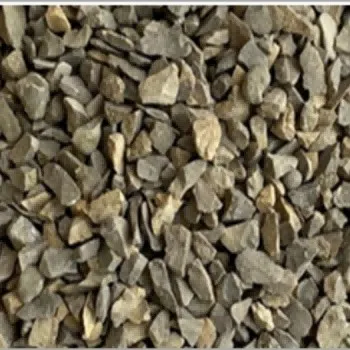
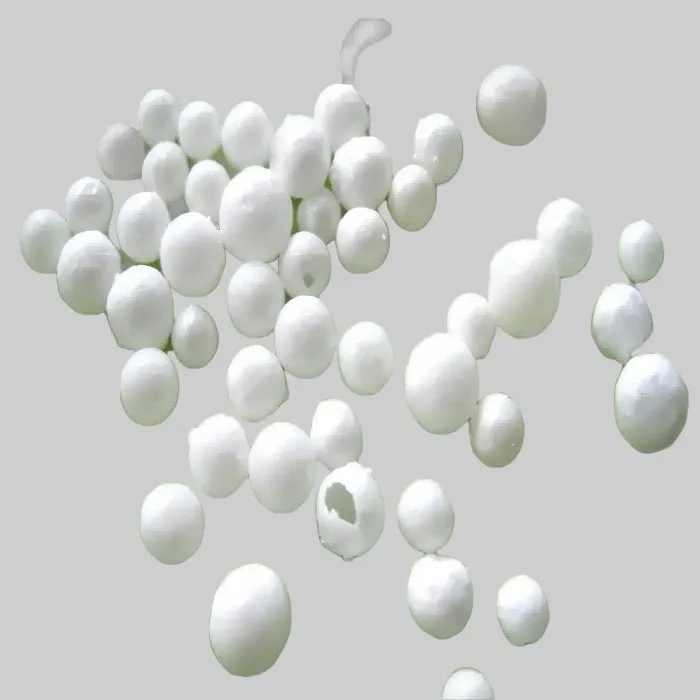
Alumina - containing Materials
Alumina (Al₂O₃) can enhance the mechanical strength, chemical resistance, and thermal stability of glass. Bubble Alumina is one such material. It has a unique porous structure, which can also influence the melting behavior and distribution of heat during the glass - making process. Bubble Alumina can be used in the production of high - performance glasses, such as those used in optical applications or in environments with high chemical exposure.
Synthetic Cordierite
Synthetic Cordierite is another important additive. It has a low coefficient of thermal expansion, which means it can withstand rapid temperature changes without cracking. This property makes it ideal for use in glass products that are exposed to thermal stress, such as cookware and laboratory glassware.
Colorants
Colorants are used to give glass its various colors. Metal oxides are commonly used as colorants. For example, chromium oxide can produce green glass, while cobalt oxide results in blue glass. The amount and type of colorant added can be precisely controlled to achieve the desired shade.
Refining Agents
Refining agents are used to remove bubbles from the molten glass. These agents, such as antimony oxide or arsenic oxide, help to release gases trapped in the glass during the melting process, resulting in a clear and bubble - free glass.
The Role of a Raw Material Supplier
As a raw material supplier, our role is to provide high - quality, consistent raw materials to glass manufacturers. We understand the specific requirements of different types of glass production and work closely with our clients to ensure that they receive the right materials in the right quantities.
We source our raw materials from reliable mines and production facilities around the world. Our quality control processes are rigorous, ensuring that the raw materials meet the strict standards set by the glass - making industry. We also offer technical support to our clients, helping them optimize their glass - making processes and troubleshoot any issues related to raw materials.
Contact for Procurement
If you're a glass manufacturer looking for high - quality raw materials for your production, we'd love to hear from you. We have a wide range of raw materials available, including silica sand, soda ash, limestone, and various additives. Our team of experts can provide you with detailed information about our products and help you find the best solutions for your specific needs. Whether you're producing clear glass for windows, colored glass for decorative purposes, or high - performance glass for specialized applications, we have the raw materials to meet your requirements. Reach out to us to start a discussion about your procurement needs.
References
- "Glass Science and Technology" by David R. Uhlmann and Norman J. Kreidl
- "Handbook of Glass Manufacture" edited by Dominic R. Pye and Andrew J. Johnson