

In the world of fashion, handbags are not just functional accessories; they are statements of style, status, and personal taste. As a raw material supplier deeply entrenched in this vibrant industry, I've witnessed firsthand the fascinating journey from raw materials to the elegant handbags that grace the arms of fashion enthusiasts worldwide. In this blog, I'll take you through the diverse range of raw materials used in handbag manufacturing, highlighting their unique properties and contributions to the final product.
Leather: The Epitome of Luxury
Leather is perhaps the most iconic and sought - after material for handbags. It exudes a timeless elegance and durability that few other materials can match. There are several types of leather used in handbag production, each with its own characteristics.
Full - grain leather is the highest quality and most natural form of leather. It retains the outermost layer of the hide, which means it shows the natural grain and markings of the animal. This type of leather is incredibly strong and develops a beautiful patina over time, adding to its charm. Top - grain leather is also of high quality but has been sanded and refinished to remove any natural imperfections. It is more uniform in appearance and is often used in high - end handbags.
In addition to cowhide, other types of leather such as lambskin, goatskin, and exotic leathers like crocodile and snake skin are also used. Lambskin is soft, supple, and has a delicate texture, making it ideal for creating elegant and refined handbags. Goatskin is more durable and has a slightly pebbled texture, giving handbags a more rugged look. Exotic leathers, on the other hand, are rare and luxurious, offering a unique and eye - catching aesthetic.
Fabric: A World of Possibilities
Fabric is another popular choice for handbag materials, offering a wide range of textures, colors, and patterns. Canvas is a common fabric used in handbag manufacturing. It is strong, durable, and easy to clean, making it suitable for everyday use. Denim, a type of cotton fabric, is also a favorite. It has a casual and trendy appeal, and can be dyed in various colors or distressed for a vintage look.
Silk is a luxurious fabric that adds a touch of elegance to handbags. It has a smooth and shiny surface, and comes in a variety of colors and prints. Satin, a similar fabric, also offers a lustrous finish and is often used for evening handbags. Synthetic fabrics such as nylon and polyester are lightweight, water - resistant, and easy to maintain. They are commonly used in sporty or functional handbags.
Metals: Adding Style and Functionality
Metals play a crucial role in handbag design, both for aesthetic and functional purposes. Zippers are one of the most common metal components in handbags. They come in different sizes, colors, and styles, and are essential for opening and closing the bag. Brass zippers are durable and have a classic look, while nickel - plated zippers are more corrosion - resistant.
Hardware such as buckles, clasps, and studs also add style and functionality to handbags. Gold - plated or silver - plated hardware gives a luxurious and high - end look, while antique - finished hardware can create a vintage or rustic aesthetic. Some hardware, like magnetic clasps, provide easy access to the bag, while others, like turn - locks, offer a more secure closure.
Plastics and Resins: Modern and Versatile
Plastics and resins have become increasingly popular in handbag manufacturing due to their versatility and affordability. Acrylic is a type of plastic that can be molded into various shapes and sizes. It is often used to create clear or colored panels in handbags, adding a modern and trendy touch. Polyurethane (PU) is a synthetic material that mimics the look and feel of leather. It is more affordable than real leather and is available in a wide range of colors and textures.
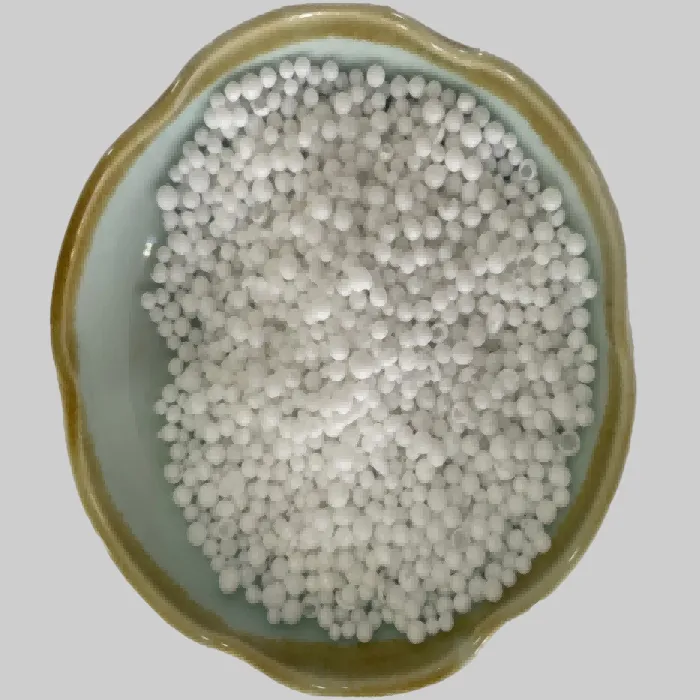
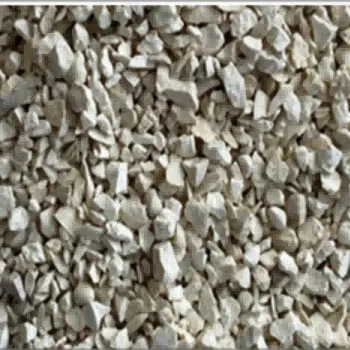
Bubble Alumina is a unique material that can be used in some high - end handbag applications. It has excellent thermal stability and can be used in small components or as an additive to enhance the durability of other materials. Synthetic Cordierite is another material with interesting properties. It has low thermal expansion and good mechanical strength, which can be beneficial in certain handbag designs where stability is important.
Wood and Cork: Natural and Sustainable
Wood and cork are natural materials that are gaining popularity in the handbag industry due to their sustainable and eco - friendly nature. Wood can be used to create handles, frames, or decorative elements in handbags. It adds a warm and natural touch, and can be stained or painted in different colors to match the bag's design.
Cork is a lightweight, water - resistant, and hypoallergenic material. It has a unique texture and can be easily cut and shaped. Cork handbags are not only stylish but also environmentally friendly, as cork is a renewable resource.
Beads and Embellishments: Adding Sparkle and Personality
Beads, sequins, rhinestones, and other embellishments are used to add sparkle and personality to handbags. They can be sewn onto the surface of the bag, creating intricate patterns or designs. Glass beads come in a variety of colors, shapes, and sizes, and can be arranged in different ways to create a unique look. Rhinestones, which are often made of glass or crystal, add a glamorous and eye - catching effect, especially for evening or formal handbags.
Foams and Fillers: Ensuring Comfort and Shape
Foams and fillers are used inside handbags to provide structure, comfort, and protection. Polyurethane foam is a common choice. It is lightweight, flexible, and can be easily cut to fit the shape of the bag. It helps to maintain the bag's shape and provides cushioning for the contents.
Other fillers such as cotton or polyester batting can also be used. They are soft and add a plush feel to the bag. Some handbags may also use a combination of different foams and fillers to achieve the desired level of comfort and support.
Conclusion
The world of handbag raw materials is vast and diverse, offering endless possibilities for designers to create unique and stylish handbags. As a raw material supplier, I take pride in providing high - quality materials that meet the needs and expectations of the fashion industry. Whether it's the luxurious feel of leather, the versatility of fabric, or the sparkle of embellishments, each raw material contributes to the beauty and functionality of handbags.
If you're in the business of handbag manufacturing and are looking for reliable raw materials, I invite you to contact me for a procurement discussion. I can offer you a wide range of materials at competitive prices, along with expert advice on material selection and usage. Let's work together to bring your handbag designs to life!
References
- Fashion Institute of Technology. "Materials for Fashion Design."
- Leather Industries of America. "Types of Leather."
- Textile Institute. "Fabric Properties and Applications."