

As a leading supplier of slide gate plates, I am often asked about the intricate manufacturing process behind these essential components in the steelmaking and metallurgical industries. Slide gate plates play a crucial role in controlling the flow of molten metal during the casting process, ensuring precision and efficiency. In this blog, I will delve into the step-by-step manufacturing process of slide gate plates, highlighting the key stages and the importance of quality control at each juncture.
Raw Material Selection
The manufacturing process of slide gate plates begins with the careful selection of raw materials. These materials are chosen for their high-temperature resistance, mechanical strength, and chemical stability, as they must withstand the extreme conditions of molten metal flow. Common raw materials include alumina, zirconia, magnesia, and graphite, each contributing unique properties to the final product.
Alumina, for example, is known for its high refractoriness and excellent thermal shock resistance, making it a popular choice for slide gate plates. Zirconia, on the other hand, offers superior corrosion resistance and mechanical strength, enhancing the durability of the plates. Magnesia is valued for its ability to resist slag attack, while graphite provides lubricity and helps to reduce friction during the sliding operation.
At our company, we source the highest quality raw materials from trusted suppliers, ensuring that they meet our strict specifications and quality standards. We conduct thorough inspections and tests on the raw materials to verify their purity, particle size distribution, and chemical composition before they are used in the manufacturing process.
Mixing and Forming
Once the raw materials have been selected, they are carefully weighed and mixed in precise proportions to achieve the desired chemical composition and physical properties. The mixing process is crucial, as it ensures that the raw materials are evenly distributed throughout the mixture, resulting in a homogeneous product with consistent quality.
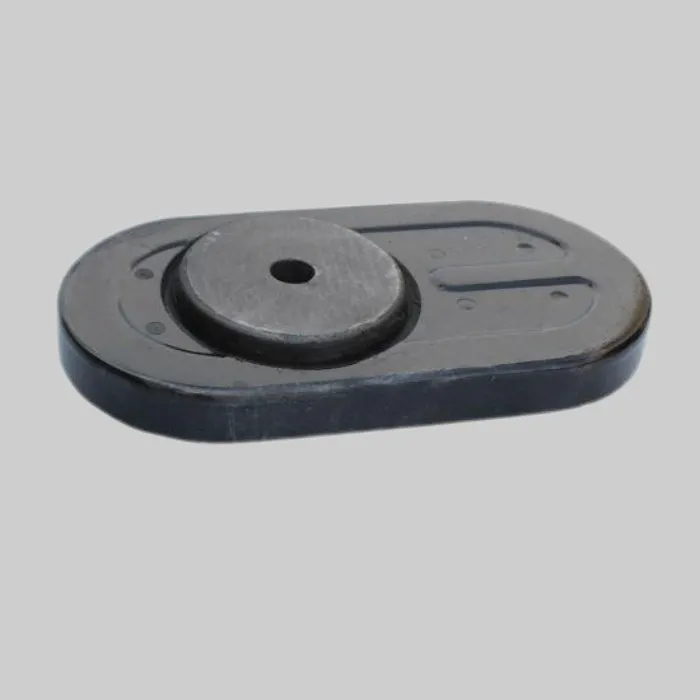

We use advanced mixing equipment, such as high-speed mixers and blenders, to ensure thorough mixing of the raw materials. The mixture is then transferred to a forming machine, where it is shaped into the desired form of the slide gate plate. There are several forming methods available, including pressing, casting, and extrusion, each with its own advantages and limitations.
Pressing is the most common forming method for slide gate plates, as it allows for precise control of the shape and dimensions of the product. In this process, the mixture is placed in a mold and subjected to high pressure to compress it into the desired shape. The pressed plates are then removed from the mold and dried to remove any moisture before they are further processed.
Firing and Heat Treatment
After the slide gate plates have been formed, they are subjected to a firing process to improve their mechanical strength, thermal stability, and chemical resistance. The firing process involves heating the plates to a high temperature in a kiln or furnace, typically ranging from 1,500°C to 1,800°C, depending on the composition of the raw materials and the desired properties of the final product.
During the firing process, the raw materials undergo a series of chemical and physical changes, including sintering, densification, and phase transformation. These changes result in the formation of a dense, hard, and durable structure that is capable of withstanding the extreme conditions of molten metal flow.
In addition to firing, the slide gate plates may also be subjected to heat treatment to further enhance their properties. Heat treatment involves heating the plates to a specific temperature and holding them at that temperature for a certain period of time before cooling them down slowly. This process helps to relieve internal stresses, improve the microstructure of the material, and enhance its mechanical and thermal properties.
Machining and Finishing
Once the slide gate plates have been fired and heat treated, they are machined to achieve the required dimensions and surface finish. Machining operations may include grinding, milling, drilling, and honing, depending on the specific requirements of the product.
Grinding is the most common machining operation for slide gate plates, as it allows for precise control of the surface finish and dimensional accuracy. The plates are ground using abrasive wheels to remove any excess material and to achieve the desired flatness, parallelism, and surface roughness.
After machining, the slide gate plates are subjected to a finishing process to improve their appearance and corrosion resistance. Finishing operations may include coating, painting, or polishing, depending on the specific requirements of the product.
Quality Control
Quality control is an integral part of the manufacturing process of slide gate plates. At our company, we have a comprehensive quality control system in place to ensure that every slide gate plate we produce meets our strict quality standards and customer requirements.
We conduct a series of tests and inspections at every stage of the manufacturing process, from raw material selection to final product inspection. These tests include chemical analysis, physical testing, mechanical testing, and non-destructive testing, to verify the quality and performance of the slide gate plates.
Chemical analysis is used to determine the chemical composition of the slide gate plates, ensuring that they meet the specified requirements. Physical testing is used to measure the density, porosity, and thermal conductivity of the plates, while mechanical testing is used to evaluate their strength, hardness, and wear resistance. Non-destructive testing, such as ultrasonic testing and X-ray inspection, is used to detect any internal defects or flaws in the plates that may affect their performance.
In addition to these tests, we also conduct on-site inspections and tests at our customers' facilities to ensure that the slide gate plates are installed and operated correctly. We provide our customers with comprehensive technical support and training to help them optimize the performance of our products and to ensure their long-term reliability.
Conclusion
The manufacturing process of slide gate plates is a complex and intricate process that requires careful attention to detail and strict quality control at every stage. From raw material selection to final product inspection, every step of the process plays a crucial role in determining the quality and performance of the slide gate plates.
At our company, we are committed to providing our customers with the highest quality slide gate plates that meet their specific requirements and expectations. We use the latest technology and manufacturing processes to ensure that our products are of the highest quality and reliability. We also offer a wide range of slide gate plates, including Slide Gate Refractories, 1 Qc Slide Gate Plate, and Steel Plant Slide Gate Plate, to meet the diverse needs of our customers in the steelmaking and metallurgical industries.
If you are interested in purchasing slide gate plates or have any questions about our products or services, please do not hesitate to contact us. Our team of experienced sales and technical professionals will be happy to assist you and provide you with the information and support you need. We look forward to working with you and helping you to achieve your goals.
References
- "Refractories for Steelmaking: Principles and Practice" by R. N. Singh and R. K. Ray
- "Handbook of Refractory Technology" by P. V. Ramana Rao
- "High Temperature Materials and Technology" by H. K. D. H. Bhadeshia and R. W. Cahn