

What are the raw materials for making paper?
As a raw material supplier deeply entrenched in the paper - making industry, I've witnessed firsthand the diverse range of raw materials that go into creating the paper products we use daily. Paper is a ubiquitous part of our lives, from the books we read to the packaging that protects our goods. Understanding the raw materials used in its production is crucial for anyone involved in the paper - making process, whether you're a manufacturer, a researcher, or simply an environmentally - conscious consumer.
Natural Fibrous Raw Materials
The most common and traditional raw materials for paper - making are natural fibers. Wood is by far the most significant source. Softwood trees such as pine, spruce, and fir are often favored due to their long fibers. These long fibers contribute to the strength and durability of the paper. Hardwood trees like oak, birch, and eucalyptus are also used. Hardwood fibers are shorter but can provide a smoother surface finish, which is ideal for papers used in printing and writing.
In addition to wood, other plant - based fibers are used. Straw, for example, is a by - product of cereal crops like wheat, rice, and barley. It has been used for paper - making for centuries, especially in regions where wood is scarce. Straw fibers are relatively short and can produce papers with a unique texture. Bamboo is another excellent raw material. It grows extremely fast, making it a sustainable alternative to wood. Bamboo fibers are strong and can be used to produce a variety of paper products, from high - quality writing paper to packaging materials.
Cotton and linen are also used in paper - making, particularly for high - end papers such as those used for currency, bonds, and fine art prints. Cotton fibers are long, strong, and have a high degree of purity, which gives the paper a smooth surface and excellent durability. Linen, made from the fibers of the flax plant, is also known for its strength and can add a luxurious feel to the paper.
Mineral Raw Materials
Mineral raw materials play an important role in paper - making as well. Kaolin clay is one of the most commonly used minerals. It is added to the paper pulp to improve the paper's smoothness, brightness, and printability. Kaolin clay fills in the gaps between the fibers, creating a more uniform surface for printing. Talc is another mineral that is used. It acts as a lubricant, improving the paper's softness and reducing friction during the paper - making process.
Calcium carbonate is also widely used in paper - making. It can be used as a filler to increase the paper's opacity and brightness. There are two main types of calcium carbonate used in the industry: ground calcium carbonate (GCC) and precipitated calcium carbonate (PCC). GCC is obtained by grinding natural limestone, while PCC is produced through a chemical precipitation process. PCC is often preferred for high - quality papers because it has a more uniform particle size and can provide better optical properties.
Synthetic and Specialized Raw Materials
In recent years, synthetic and specialized raw materials have become more prevalent in the paper - making industry. Synthetic Cordierite is a synthetic material that can be used in paper - making. It has unique thermal and mechanical properties, which can enhance the performance of the paper in certain applications. For example, it can improve the paper's resistance to heat and mechanical stress, making it suitable for use in high - temperature environments or for applications that require strong and durable paper.
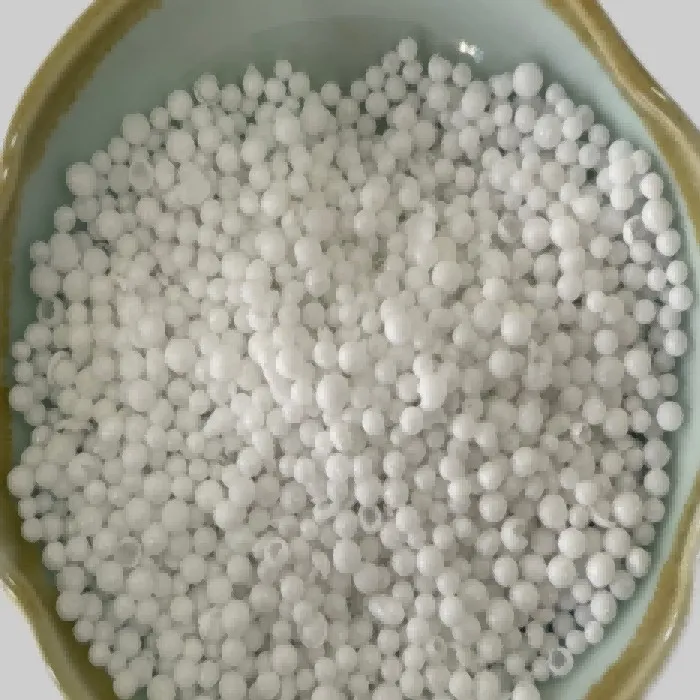
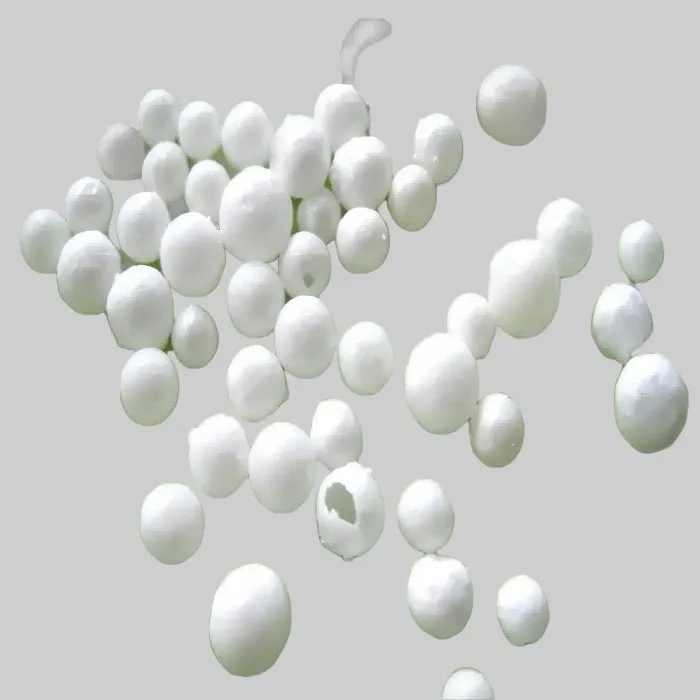
Bubble Alumina is another specialized raw material. It is a lightweight and porous material that can be added to the paper pulp to reduce the paper's weight while maintaining its strength. Bubble alumina can also improve the paper's insulation properties, making it useful for applications such as packaging for heat - sensitive products.
Recycling and Sustainability
Recycled paper is an increasingly important raw material in the paper - making industry. Recycling paper helps to conserve natural resources, reduce energy consumption, and minimize waste. The process of recycling paper involves collecting used paper products, sorting them, and then processing them to remove ink, adhesives, and other contaminants. The recycled fibers can then be mixed with virgin fibers to produce new paper products.
As a raw material supplier, I am committed to promoting sustainable practices in the paper - making industry. We offer a wide range of sustainable raw materials, including recycled fibers, bamboo, and other fast - growing plant fibers. By choosing these sustainable options, paper manufacturers can reduce their environmental impact and meet the growing demand for eco - friendly paper products.
The Role of a Raw Material Supplier
As a raw material supplier, my role is to provide high - quality raw materials to paper manufacturers. We work closely with our customers to understand their specific needs and requirements. Whether they are looking for a particular type of fiber, a mineral filler, or a specialized synthetic material, we have the expertise and resources to source and supply the right products.
We also ensure that our raw materials meet the highest quality standards. We conduct rigorous quality control tests on all our products to ensure that they are free from contaminants and meet the specifications of our customers. In addition, we provide technical support and advice to our customers, helping them to optimize their paper - making processes and achieve the best possible results.
Contact for Procurement
If you are involved in the paper - making industry and are looking for high - quality raw materials, I encourage you to contact us for procurement and further discussions. We are ready to provide you with the best raw materials and services to meet your needs. Whether you are interested in traditional natural fibers, mineral raw materials, or the latest synthetic and specialized materials, we have the solutions for you.
References
- "Handbook of Pulp and Paper Technology" by G. A. Smook
- "Paper and Board Production: An Introduction" by P. A. Luner
- "Sustainable Paper - Making: Principles and Practice" by R. E. Young and J. A. MacKay