

What are the raw materials for making cutlery? This is a question that many people in the cutlery industry often ask. As a raw material supplier, I've had the privilege of being involved in the cutlery - making process at its very foundation. In this blog, I'll take you through the various raw materials used in cutlery production, their characteristics, and how they contribute to the final product.
Metals
Metals are the most common raw materials for cutlery. They offer durability, strength, and the ability to hold a sharp edge.
Stainless Steel
Stainless steel is by far the most popular choice for cutlery. It contains chromium, which forms a passive layer on the surface of the metal, protecting it from rust and corrosion. The addition of nickel can enhance its corrosion - resistance and give it a more lustrous finish.
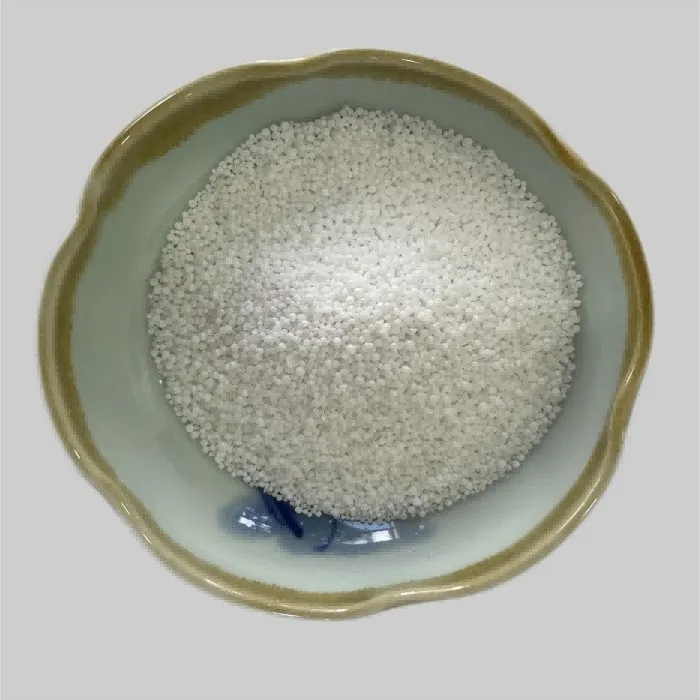
Stainless steel cutlery is available in different grades. For example, 18/8 stainless steel, which contains 18% chromium and 8% nickel, is widely used in high - quality cutlery. It is resistant to staining, easy to clean, and can withstand the rigors of daily use. Another common grade is 18/0, which has 18% chromium but no nickel. It is less expensive than 18/8 but may be slightly less corrosion - resistant.
Carbon Steel
Carbon steel is another metal used in cutlery, especially for high - performance knives. It has a high carbon content, which allows it to be sharpened to an extremely fine edge. Carbon steel knives can hold their edge better than stainless steel knives, making them ideal for tasks that require precision cutting, such as slicing meat or vegetables.
However, carbon steel is prone to rusting. It needs to be properly cared for, including regular cleaning and drying after use, and occasional oiling to prevent oxidation.
Silver
Silver has been used for making cutlery for centuries. It is a precious metal known for its elegance and antibacterial properties. Sterling silver, which is 92.5% silver and 7.5% other metals (usually copper), is commonly used in cutlery production.
Silver cutlery is often used for special occasions due to its high cost and the need for regular polishing to maintain its shine. The antibacterial properties of silver also make it a hygienic choice for food handling.
Ceramics
Ceramics are becoming increasingly popular in cutlery production, especially for knives.
Zirconia
Zirconia is a ceramic material that is known for its hardness and sharpness. Zirconia knives can be very sharp and can hold their edge for a long time. They are also lightweight and resistant to corrosion and staining.
One of the advantages of zirconia knives is that they do not react with acidic or alkaline foods, which can be a problem with metal knives. However, zirconia is brittle and can chip or break if dropped or used for heavy - duty cutting.
Composites
Composites are materials made by combining two or more different materials to achieve specific properties.
Fiberglass - Reinforced Plastics
Fiberglass - reinforced plastics are used in the handles of cutlery. They offer a combination of strength, durability, and a comfortable grip. The fiberglass provides strength, while the plastic matrix gives the handle its shape and can be molded into various designs.
These handles are often used in mass - produced cutlery sets because they are relatively inexpensive and can be produced in large quantities.
Other Specialized Raw Materials
Synthetic Cordierite
Synthetic Cordierite is a unique raw material that can be used in certain types of cutlery. It has excellent thermal shock resistance and low thermal expansion. This makes it suitable for applications where the cutlery may be exposed to rapid temperature changes, such as in the kitchen when moving from the freezer to the oven.
Bubble Alumina
Bubble Alumina is another specialized material. It is lightweight and has good insulation properties. In cutlery, it can be used in handles to provide a comfortable grip and to protect the user's hand from heat transfer when using hot utensils.
Choosing the Right Raw Materials
When it comes to cutlery production, choosing the right raw materials is crucial. Manufacturers need to consider factors such as cost, performance, aesthetics, and durability.
For example, if the cutlery is intended for everyday use in a household, stainless steel may be the best choice due to its affordability, durability, and ease of maintenance. On the other hand, if the cutlery is for a high - end restaurant or a special occasion, silver or high - quality ceramics may be more appropriate to add a touch of luxury.
As a raw material supplier, I understand the importance of providing high - quality materials that meet the specific needs of cutlery manufacturers. I work closely with my clients to ensure that they get the right materials for their production processes. Whether it's a large - scale manufacturer looking for bulk supplies of stainless steel or a small - scale artisanal producer in need of a unique ceramic material, I'm here to help.
Conclusion
The raw materials used in cutlery production are diverse, each with its own set of properties and advantages. From the traditional metals like stainless steel and silver to the more modern ceramics and composites, there is a wide range of options available for cutlery manufacturers.
If you're in the cutlery - making business and are looking for high - quality raw materials, I invite you to reach out for a procurement discussion. I can provide you with detailed information about the materials, their specifications, and pricing. Let's work together to create the best cutlery products on the market.
References
- Callister, W. D., & Rethwisch, D. G. (2010). Materials Science and Engineering: An Introduction. Wiley.
- Ashby, M. F. (2011). Materials Selection in Mechanical Design. Butterworth - Heinemann.