

Hey there! As a raw material supplier, I'm super stoked to dive into the world of shoe sole materials with you. You might think making shoe soles is as simple as slapping some rubber on the bottom of a shoe, but it's way more complex than that. There are tons of different raw materials out there, each with its own unique properties that can make a big difference in the performance, comfort, and durability of the shoes.
Let's start with one of the most common materials for shoe soles: rubber. Rubber is awesome because it's flexible, has great traction, and can withstand a lot of wear and tear. There are two main types of rubber used in shoe soles: natural rubber and synthetic rubber.
Natural rubber comes from the latex of rubber trees. It's a renewable resource, which is a huge plus for those who are environmentally conscious. Natural rubber has excellent elasticity, which means it can stretch and then bounce back to its original shape. This makes it great for absorbing shock when you walk or run, reducing the stress on your feet and joints. It also has good grip on various surfaces, whether it's wet or dry. However, natural rubber does have some drawbacks. It can be expensive, and it's more susceptible to damage from heat, ozone, and certain chemicals.
On the other hand, synthetic rubber is made from petroleum-based chemicals. It's cheaper to produce than natural rubber and can be engineered to have specific properties. For example, some synthetic rubbers are designed to be more resistant to heat, making them ideal for shoes that will be used in high-temperature environments. Others are formulated to have better traction on slippery surfaces, like those used in hiking boots or work shoes. Synthetic rubber also tends to be more durable than natural rubber, as it's less likely to break down over time.
Another popular material for shoe soles is polyurethane (PU). PU is a type of plastic that can be made into a variety of forms, from soft and flexible to hard and rigid. It's known for its high strength-to-weight ratio, which means it can be very strong without adding a lot of weight to the shoe. PU soles are often used in high-performance athletic shoes because they provide excellent cushioning and support. They also have good abrasion resistance, which means they won't wear out quickly. Additionally, PU can be molded into different shapes and designs, allowing for more creative and functional shoe sole designs.
Ethylene-vinyl acetate (EVA) is another material that's commonly used in shoe soles, especially in casual and athletic shoes. EVA is a lightweight and flexible foam that provides good shock absorption. It's also very comfortable to wear, as it molds to the shape of your foot. EVA soles are often used in combination with other materials, like rubber or PU, to enhance their performance. For example, a shoe might have an EVA midsole for cushioning and a rubber outsole for traction.
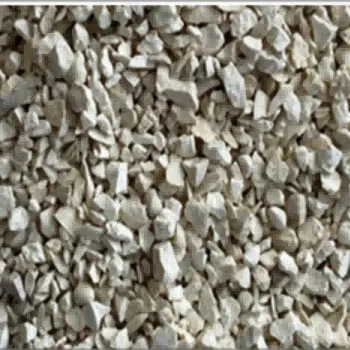
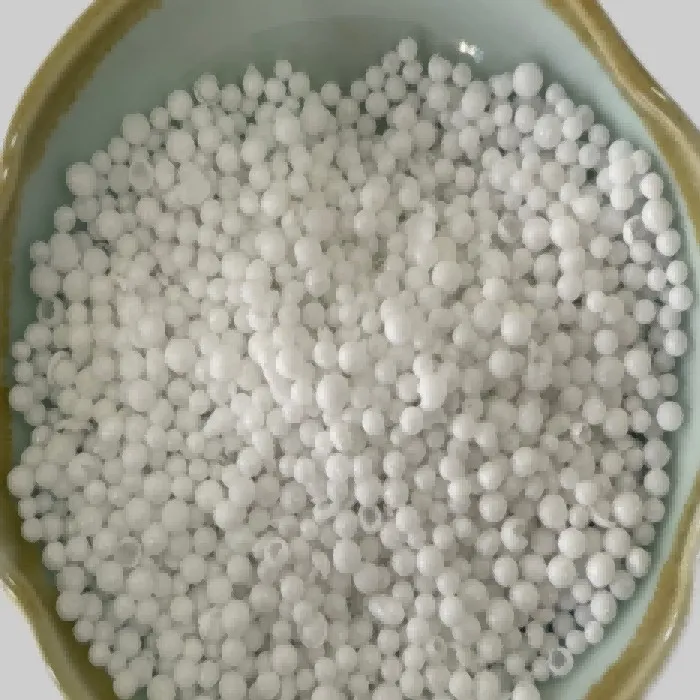
Now, let's talk about some of the more specialized materials that can be used in shoe soles. One of these is Bubble Alumina. Bubble alumina is a lightweight and porous material that has excellent thermal insulation properties. It can help keep your feet cool in hot weather and warm in cold weather. It also has good shock absorption and can reduce the impact on your feet when you walk or run. Bubble alumina is often used in high-end athletic shoes and hiking boots.
Another specialized material is Synthetic Cordierite. Synthetic cordierite is a ceramic material that has high strength and hardness. It's very resistant to wear and abrasion, making it ideal for shoes that will be used in rough or demanding environments. It also has good thermal stability, which means it can withstand high temperatures without deforming. Synthetic cordierite is often used in industrial and work shoes.
In addition to these materials, there are also other additives and fillers that can be used to enhance the properties of shoe soles. For example, carbon black is often added to rubber to improve its strength and abrasion resistance. Silica is another common additive that can improve the traction of rubber soles, especially on wet surfaces.
So, as you can see, there are a lot of different raw materials that can be used to make shoe soles, each with its own unique properties and benefits. When choosing the right material for your shoes, it's important to consider factors like the intended use of the shoes, the level of comfort and support you need, and your budget.
If you're in the market for raw materials for making shoe soles, I'd love to help. As a raw material supplier, I have access to a wide range of high-quality materials at competitive prices. Whether you're looking for rubber, PU, EVA, or one of the more specialized materials, I can provide you with the products you need. I also offer excellent customer service and technical support to help you make the right choices for your specific application.
So, if you're interested in learning more about our products or have any questions, don't hesitate to reach out. Let's start a conversation and see how we can work together to create the perfect shoe soles for your needs.
References:
- "Shoe Materials and Their Properties" - Shoe Industry Journal
- "The Science of Footwear" - National Institute of Foot Health
- "Advanced Materials for Shoe Soles" - Journal of Materials Science and Technology