

Hey there! As a raw material supplier, I've had the pleasure of diving deep into the world of trophy - making materials. Trophies are not just symbols of achievement; they're crafted masterpieces, and the raw materials used play a crucial role in their quality, appearance, and durability. So, let's take a look at some of the top raw materials used in making trophies.
Metals
Metals are probably the first thing that comes to mind when we think of trophies. They offer a sense of luxury, durability, and a classic look that never goes out of style.
Gold
Gold is the king of trophy - making metals. It's associated with prestige, success, and high - end achievements. Pure gold, which is 24 karats, is too soft for most trophy applications. So, in trophy - making, we usually use gold alloys. These alloys mix gold with other metals like copper, silver, or zinc to increase its strength.
The process of using gold in trophies can involve gold plating. In gold plating, a thin layer of gold is applied to a base metal. This is a cost - effective way to achieve the look of solid gold without the high cost. Gold - plated trophies are commonly seen in high - profile events like the Oscars and the Grammys.
Silver
Silver is another popular choice for trophies. It has a beautiful, shiny appearance that gives trophies an elegant look. Similar to gold, pure silver (99.9% silver, known as fine silver) is quite soft. So, sterling silver, which is 92.5% silver and 7.5% other metals (usually copper), is used more often.
Silver trophies can be polished to a high shine or given a matte finish for a more subdued look. They're often used in sports events, academic competitions, and corporate awards.
Bronze
Bronze is an alloy of copper and tin, sometimes with other metals added for specific properties. It has a warm, reddish - brown color that ages gracefully, developing a patina over time. This patina can add character and a sense of history to the trophy.
Bronze is a relatively strong and durable metal, making it suitable for large - scale trophies. It's commonly used in outdoor trophies or those that will be displayed in high - traffic areas. Many sports stadiums have bronze statues or trophies to honor great athletes.
Glass and Crystal
Glass and crystal trophies are known for their transparency, elegance, and ability to refract light.
Glass
Glass is a versatile material for trophy - making. It can be molded into various shapes, from simple cubes to intricate sculptures. Glass trophies can be clear, colored, or frosted. Clear glass allows light to pass through, creating a bright and shiny appearance. Colored glass can add a pop of color to the trophy, while frosted glass gives a more subdued and sophisticated look.
The manufacturing process of glass trophies involves heating the glass to a high temperature and then shaping it using molds or blowing techniques. Glass is relatively inexpensive compared to some other materials, making it a popular choice for mass - produced trophies.
Crystal
Crystal is a type of glass that contains lead oxide. This gives it a higher refractive index than regular glass, meaning it sparkles more and has a more brilliant appearance. Crystal trophies are often used in high - end events and awards.
The quality of crystal is determined by the amount of lead oxide it contains. Higher - quality crystal has a higher percentage of lead oxide, which results in a more brilliant and clear appearance. Crystal trophies can be engraved with detailed designs and logos, adding a personalized touch.
Ceramics
Ceramics are made from clay and other inorganic materials that are fired at high temperatures. They offer a unique look and feel for trophies.
Synthetic Cordierite
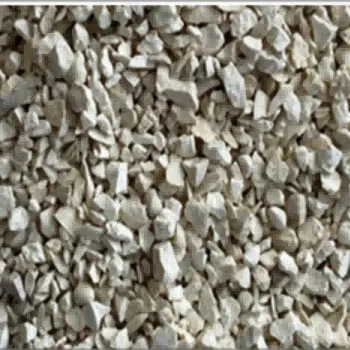
Synthetic Cordierite is a ceramic material that has excellent thermal shock resistance and low thermal expansion. This makes it suitable for trophies that may be exposed to different temperatures or environments. It has a smooth surface that can be glazed or left unglazed for a more natural look. Synthetic Cordierite can be molded into various shapes, and its color can range from white to light blue.
Bubble Alumina
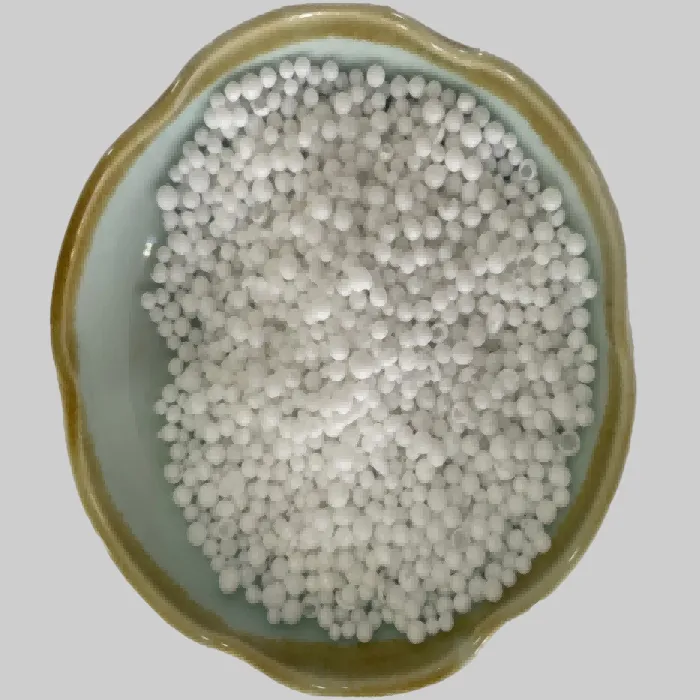
Bubble Alumina is another ceramic material used in trophy - making. It has a porous structure, which gives it a unique appearance. The bubbles in the material can scatter light, creating an interesting visual effect. Bubble Alumina is lightweight yet strong, and it can be easily machined into different shapes. It's often used in modern - style trophies.
Wood
Wood is a natural and warm - looking material for trophies. It adds a touch of nature and craftsmanship to the award.
Hardwoods
Hardwoods like oak, mahogany, and walnut are commonly used in trophy - making. They have a dense grain pattern that gives the wood a beautiful appearance. Hardwoods are strong and durable, and they can be stained or painted to achieve different colors and finishes.
Wooden trophies can be carved into intricate designs, such as animals, symbols, or lettering. They're often used in traditional and rustic - themed awards, like hunting or fishing competitions.
Softwoods
Softwoods, such as pine and cedar, are also used in some trophy applications. They're lighter and less expensive than hardwoods. Softwoods can be easily shaped and painted, making them a good choice for simple - designed trophies or those that will be used in large quantities.
Plastics
Plastics are a cost - effective and versatile option for trophy - making.
Acrylic
Acrylic is a clear plastic that resembles glass. It's lightweight, shatter - resistant, and easy to fabricate. Acrylic trophies can be cut, drilled, and polished to create a variety of shapes and designs. They can be clear, colored, or have a frosted finish.
Acrylic is often used in modern - style trophies, especially those with a sleek and minimalist design. It's also a popular choice for corporate awards and promotional items.
Polycarbonate
Polycarbonate is a strong and impact - resistant plastic. It has good optical properties, similar to acrylic, but is more durable. Polycarbonate trophies can withstand rough handling and are suitable for trophies that will be used in outdoor or high - activity environments.
It can be molded into complex shapes and is often used in sports - related trophies, where the trophy may be subject to accidental bumps or drops.
Stone
Stone trophies offer a sense of permanence and grandeur.
Marble
Marble is a metamorphic rock that is known for its beauty and elegance. It has a smooth surface and a wide range of colors, from white to black, with various veining patterns. Marble trophies can be polished to a high shine, creating a luxurious appearance.
Marble is a relatively heavy material, so it's often used for smaller, more delicate trophies or as accents on larger trophies. It's commonly used in high - end awards and historical commemorations.
Granite
Granite is an igneous rock that is extremely hard and durable. It has a coarse - grained texture and comes in a variety of colors, including gray, pink, and black. Granite trophies are suitable for outdoor use because they can withstand harsh weather conditions.
Granite can be cut and polished to create a smooth surface, or it can be left with a natural, rough finish for a more rustic look. It's often used in large - scale trophies and monuments.
If you're in the market for high - quality raw materials for trophy - making, I'm here to help. As a raw material supplier, I can offer a wide range of options to meet your specific needs. Whether you're looking for the elegance of gold, the sparkle of crystal, or the durability of bronze, I've got you covered. Contact me for more information and let's start a conversation about your trophy - making project.
References
- "Metals for Art and Sculpture" by various authors
- "The Complete Guide to Glass and Crystal" by glass experts
- "Ceramics in Modern Design" by ceramic researchers
- "Woodworking for Beginners and Professionals" by woodworking enthusiasts
- "Plastics in the Manufacturing Industry" by plastic engineers
- "Stone: Properties and Applications" by geologists and stone artisans