

Wallets are essential accessories that not only hold our money, cards, and important documents but also serve as a fashion statement. As a raw material supplier, I am often asked about the various materials used in making wallets. In this blog post, I will explore the different raw materials that go into the production of wallets, from traditional to more innovative options.
Leather
Leather is perhaps the most classic and widely used material for making wallets. It is valued for its durability, flexibility, and natural beauty. There are several types of leather commonly used in wallet production:
Cowhide Leather
Cowhide is one of the most popular choices for wallets due to its strength and availability. It can be sourced from different parts of the cow, with the top - grain leather being the highest quality. Top - grain leather retains the natural grain of the hide, which gives it a unique texture and appearance. It is also more resistant to wear and tear compared to other types of leather. Full - grain leather, a subset of top - grain, is the most premium option as it uses the entire thickness of the hide and has not been sanded or buffed to remove imperfections.
Sheepskin Leather
Sheepskin leather is softer and more supple than cowhide. It has a fine grain and a luxurious feel, making it a popular choice for high - end wallets. However, it is less durable than cowhide and may require more care to maintain its appearance.
Exotic Leathers
Exotic leathers such as alligator, crocodile, and snake are used to create luxury wallets. These leathers are highly prized for their unique patterns and textures. However, they are also more expensive and subject to strict regulations regarding their sourcing and trade.
Synthetic Materials
In recent years, synthetic materials have become increasingly popular in wallet production. They offer several advantages, including lower cost, greater durability in some cases, and a wider range of colors and textures.
Polyurethane (PU) Leather
PU leather is a synthetic alternative to real leather. It is made by applying a polyurethane coating to a fabric backing. PU leather can mimic the look and feel of real leather quite closely and is often used in mass - produced wallets. It is more affordable than genuine leather and is resistant to water and stains.
Polyvinyl Chloride (PVC)
PVC is another synthetic material commonly used in wallet making. It is a type of plastic that can be molded into various shapes and textures. PVC wallets are often very affordable and come in a wide range of bright colors. However, they may not have the same level of breathability and durability as leather or some other synthetic materials.
Synthetic Cordierite
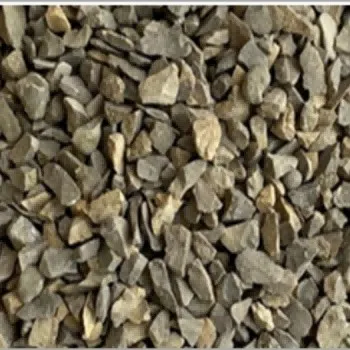
Synthetic Cordierite is a relatively new material in the wallet - making industry. It offers excellent heat resistance and mechanical strength. This material can be used to create wallets with unique structural features. Its synthetic nature allows for precise control over its properties, making it suitable for wallets that need to withstand harsh conditions.
Textiles
Textiles are also used in wallet production, especially for more casual or eco - friendly designs.
Canvas
Canvas is a strong and durable fabric made from cotton or linen. It is commonly used in wallets due to its affordability and versatility. Canvas wallets can be found in a variety of colors and patterns, and they are often lightweight and easy to carry.
Denim
Denim, a type of cotton fabric, is another popular choice for wallets. It has a casual and rugged look, similar to jeans. Denim wallets are often paired with leather accents to add a touch of sophistication.
Microfiber
Microfiber is a synthetic textile that is soft, lightweight, and absorbent. It is often used in wallets as a lining material. Microfiber linings can provide a smooth surface for cards and bills and can also help to protect the contents of the wallet from scratches.
Metals
Metals are used in wallets for various purposes, including hardware and decorative elements.
Zinc Alloy
Zinc alloy is a common metal used in wallet hardware such as zippers, snaps, and clasps. It is relatively inexpensive, easy to mold, and has good corrosion resistance.
Stainless Steel
Stainless steel is a durable and rust - resistant metal that is also used in wallet hardware. It is often used in high - end wallets or those designed for outdoor use.
Brass
Brass is a metal alloy made of copper and zinc. It has a warm, golden color and is often used for decorative elements on wallets, such as embossed logos or accents.
Other Materials
There are also some other unique materials that can be used in wallet production.
Bubble Alumina
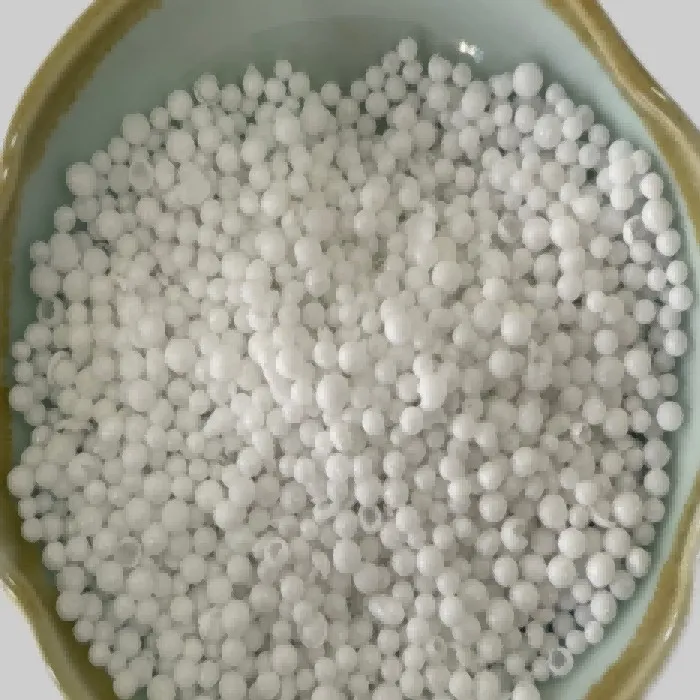
Bubble Alumina is a lightweight and porous material. In wallet making, it can be used in combination with other materials to create a unique texture or to provide additional insulation. Its porous nature can also add a certain aesthetic appeal to the wallet.
Wood
Wood is sometimes used in wallet design, either as a full - fledged material or as an inlay. Wallets made from wood can have a natural and rustic look. However, wood wallets may require special care to prevent cracking or warping.
Horn and Bone
Horn and bone are natural materials that can be used to create unique and luxurious wallets. They have a smooth and polished appearance and can be carved into intricate designs. However, like exotic leathers, the use of horn and bone is subject to regulations.
Considerations for Choosing Raw Materials
When choosing raw materials for wallet production, several factors need to be considered:
Cost
The cost of raw materials is a significant factor, especially for mass - produced wallets. Manufacturers need to balance the cost of materials with the desired quality and price point of the final product.
Durability
Wallets need to be durable enough to withstand daily use. The choice of material will depend on the intended use of the wallet. For example, a wallet for outdoor activities may require a more rugged material, while a wallet for formal occasions may prioritize aesthetics over extreme durability.
Aesthetics
The appearance of the wallet is also important. Different materials offer different looks and textures, and manufacturers need to choose materials that match the target market's preferences.
Sustainability
With increasing awareness of environmental issues, many consumers are looking for sustainable wallet options. Materials such as recycled leather, organic cotton, and biodegradable synthetics are becoming more popular.
Conclusion
As a raw material supplier, I understand the importance of providing high - quality materials for wallet production. The choice of raw materials can greatly affect the quality, appearance, and cost of the final product. Whether it's the classic elegance of leather, the affordability of synthetic materials, or the uniqueness of alternative materials like wood or horn, there are many options available for wallet manufacturers.
If you are in the business of wallet production and are interested in sourcing high - quality raw materials, I invite you to contact me for a procurement discussion. I can provide you with samples, detailed information about the materials, and competitive pricing. Let's work together to create wallets that meet the highest standards of quality and style.
References
- "Leather: Properties and Uses" by Leather Industries of America
- "Synthetic Materials in Fashion" by Textile Institute
- "Metals in Design" by Metal Manufacturers Association