

How is azs block transported?
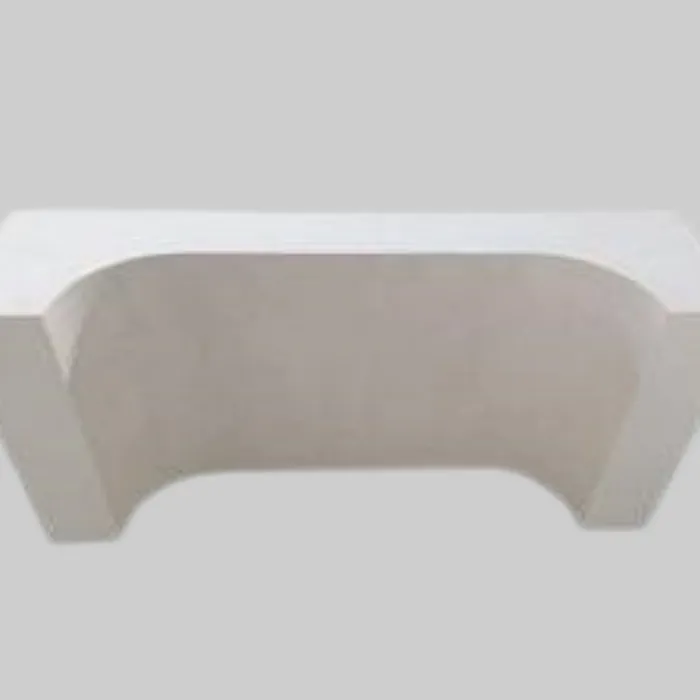
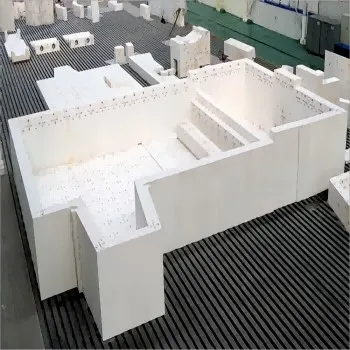
As a supplier of AZS blocks, I often get asked about the transportation process of these crucial refractory materials. AZS blocks, also known as AZS Brick, are widely used in various industries, especially in the glass - making industry due to their excellent corrosion resistance and high - temperature stability. In this blog, I will delve into the different aspects of transporting AZS blocks, from packaging to shipping methods.
Packaging of AZS Blocks
The first step in transporting AZS blocks is proper packaging. Since these blocks are brittle and can be easily damaged during transit, the right packaging is essential to ensure their safe arrival at the destination.
We typically use wooden crates for packaging AZS blocks. Wooden crates provide a sturdy and reliable enclosure. The inner part of the crate is lined with shock - absorbing materials such as foam or rubber pads. These materials act as a buffer and protect the blocks from impacts and vibrations during transportation. Each block is carefully placed in the crate, and the gaps between the blocks are filled with additional padding to prevent them from moving around.
For smaller orders or individual blocks, we may also use cardboard boxes with sufficient internal cushioning. However, wooden crates are generally preferred for larger shipments as they offer better protection and can be stacked more securely.
Selection of Transport Modes
There are several transport modes available for shipping AZS blocks, and the choice depends on various factors such as the destination, the quantity of the order, and the urgency of delivery.
Road Transport
Road transport is a common option, especially for domestic or nearby regional deliveries. Trucks are flexible and can reach almost any location. They are suitable for smaller to medium - sized orders. The advantage of road transport is its door - to - door service. We can load the AZS blocks directly from our warehouse onto the truck and deliver them straight to the customer's site.
However, road transport also has its limitations. Long - distance road trips can be time - consuming, and there may be restrictions on the size and weight of the load. Additionally, adverse weather conditions and traffic congestion can cause delays.
Rail Transport
Rail transport is an efficient option for large - scale shipments over long distances. Trains can carry a significant amount of cargo, and they are less affected by traffic compared to trucks. Railways also have a relatively stable schedule, which helps in planning the delivery time accurately.
One of the challenges of rail transport is the need for proper loading and unloading facilities at both the origin and the destination. The blocks need to be transferred from the rail wagons to the customer's site, which may require additional handling equipment.
Sea Transport
For international shipments, sea transport is often the most cost - effective option. Shipping containers are used to transport AZS blocks across the ocean. Containers provide an additional layer of protection against the elements and can be easily transferred between different modes of transport.
The main drawback of sea transport is the long transit time. It can take weeks for the shipment to reach its destination. However, for non - urgent orders, this can be an acceptable trade - off for the lower cost.
Air Transport
Air transport is the fastest option but also the most expensive. It is usually reserved for urgent orders or high - value, small - quantity shipments. When time is of the essence, air freight ensures that the AZS blocks can reach the customer quickly.
However, air transport has strict weight and size limitations. Special handling procedures are also required to ensure the safe loading and unloading of the blocks onto the aircraft.
Documentation and Customs Clearance
When transporting AZS blocks, especially for international shipments, proper documentation is crucial. We need to prepare a bill of lading, which serves as a contract between the shipper and the carrier. It contains details about the goods, such as the quantity, weight, and destination.
A commercial invoice is also required, which shows the value of the AZS blocks. This is important for customs purposes. The invoice should accurately describe the nature of the goods and their origin.
For international shipments, customs clearance is a necessary step. Different countries have different regulations regarding the import of refractory materials. We need to ensure that all the necessary customs duties and taxes are paid and that the goods comply with the local regulations. This may involve providing additional certificates, such as quality certificates or product specifications.
Handling and Storage at the Destination
Once the AZS blocks reach the destination, proper handling and storage are essential to maintain their quality. The blocks should be unloaded carefully using appropriate equipment, such as forklifts or cranes. Rough handling can cause cracks or chips in the blocks, which can affect their performance.
The blocks should be stored in a dry and well - ventilated area. Exposure to moisture can lead to corrosion and damage to the blocks. They should also be stacked in an organized manner to prevent any accidental toppling.
Quality Assurance during Transport
Throughout the transportation process, we implement quality assurance measures to ensure that the AZS blocks arrive in good condition. We conduct pre - shipment inspections to check for any visible defects in the blocks. During transit, we may use tracking devices to monitor the location and condition of the shipment.
In case of any damage during transport, we have a claim process in place. We work closely with the carriers to investigate the cause of the damage and provide appropriate compensation to the customer.
Why Choose Our AZS Blocks and Transport Services
At our company, we have years of experience in supplying Fused Cast Azs Block and Zirconium Corundum Brick. Our blocks are made from high - quality raw materials and are manufactured using advanced production techniques.
We understand the importance of reliable transportation. Our team is well - versed in handling all aspects of the transport process, from packaging to customs clearance. We have established partnerships with reputable carriers, which allows us to offer competitive shipping rates and ensure timely delivery.
If you are in need of high - quality AZS blocks and reliable transport services, we invite you to contact us for a detailed discussion. We can provide you with a customized solution based on your specific requirements. Whether you need a small quantity for a trial project or a large - scale order for a major industrial facility, we are here to serve you.
References
- "Refractory Materials Handbook" - A comprehensive guide on the properties and applications of refractory materials, including AZS blocks.
- Industry reports on the transportation of industrial goods, which provide insights into the best practices for shipping refractory materials.
- Carrier manuals and guidelines, which detail the specific requirements for transporting different types of cargo.