

Hey there! As a supplier of tundish shrouds, I've got a ton of insights to share about the special requirements for these crucial components in thin-slab casting. Let's dive right in!
First off, what's thin-slab casting? Well, it's a modern steelmaking process that allows for the direct production of thin steel slabs. This method is super efficient and cost-effective, but it also places some unique demands on the tundish shrouds used in the process.
One of the key requirements for tundish shrouds in thin-slab casting is excellent thermal shock resistance. You see, the shrouds are constantly exposed to extreme temperature changes. When the molten steel is poured into the tundish, the temperature can soar up to around 1600°C (that's crazy hot!). And then, as the steel flows through the shroud and into the mold, there are rapid cooling processes happening. This constant thermal cycling can cause the shroud to crack or even break if it doesn't have good thermal shock resistance. We need to make sure our shrouds are made from materials that can handle these wild temperature swings without falling apart.
Another important factor is chemical stability. The molten steel contains various elements and impurities, and these can react with the material of the tundish shroud. If the shroud isn't chemically stable, it can start to erode or corrode over time. This not only shortens the lifespan of the shroud but can also contaminate the steel. For example, some steel grades might have high levels of sulfur or phosphorus, and these can be pretty aggressive towards certain refractory materials. So, we have to choose materials for our tundish shrouds that are resistant to these chemical attacks.
In thin-slab casting, the flow control of the molten steel is also critical. The tundish shroud needs to ensure a smooth and uniform flow of the steel into the mold. Any turbulence or uneven flow can lead to defects in the final slab, like surface cracks or internal porosity. To achieve this, the design of the shroud is super important. We need to optimize the shape and size of the outlet to control the velocity and direction of the steel flow. And we also have to make sure there are no blockages or obstructions inside the shroud that could disrupt the flow.
Now, let's talk about the physical properties of the tundish shrouds. They need to be strong enough to withstand the mechanical stresses during the casting process. There's a lot of pressure and force involved when the molten steel is flowing through the shroud, and it can cause the shroud to bend or deform if it's not strong enough. We use high-quality refractory materials and advanced manufacturing techniques to ensure our shrouds have the right strength and rigidity.
When it comes to the connection between the tundish and the shroud, it has to be leak-proof. Any leakage of molten steel can be extremely dangerous and can also waste a lot of valuable material. So, we design our shrouds with proper sealing mechanisms to prevent any seepage.
In addition to these technical requirements, there are also some practical considerations. For example, ease of installation and replacement is important. In a busy steel plant, time is money, and they don't want to spend hours installing or changing the tundish shrouds. Our shrouds are designed to be user-friendly, with features that make them easy to handle and install quickly.
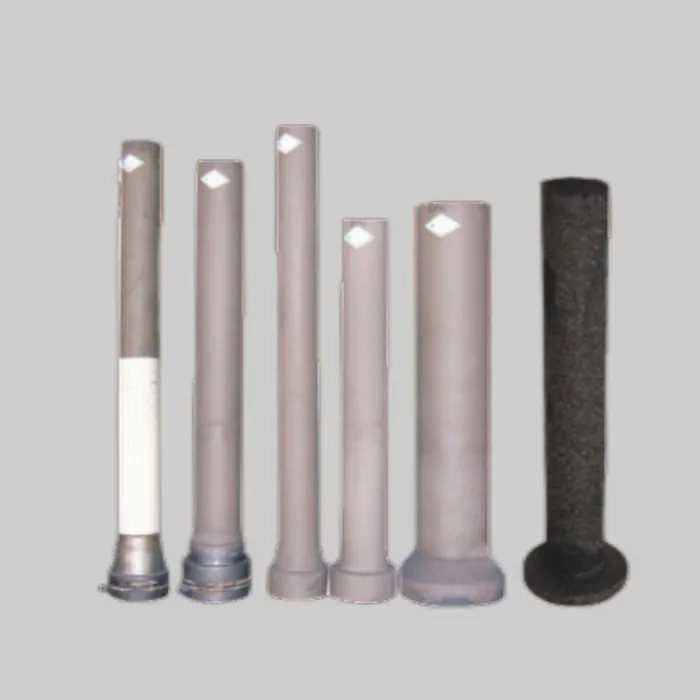
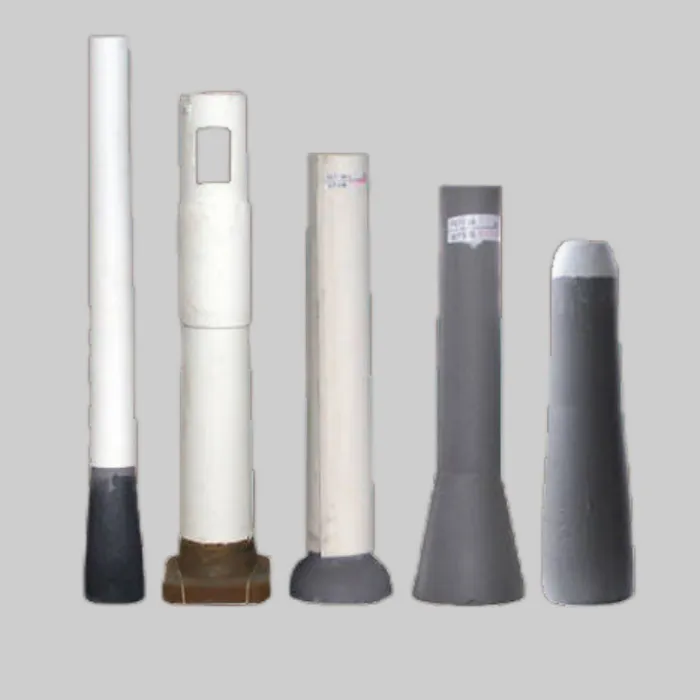
Now, if you're in the market for tundish shrouds, you might also be interested in other related products. Check out our Sub Entry Nozzle and Ladle Shroud pages for more information. And of course, you can find all the details about our Tundish Shroud on our dedicated page.
We understand that every steel plant has its own unique requirements, and we're here to provide customized solutions. Whether you're casting a specific grade of steel or using a particular thin-slab casting process, we can work with you to develop the perfect tundish shrouds for your needs. If you have any questions or want to discuss your requirements further, don't hesitate to reach out. We're always happy to have a chat and help you find the best solutions for your casting operations.
In conclusion, the special requirements for tundish shrouds in thin-slab casting are quite demanding, but with our expertise and high-quality products, we're confident we can meet your needs. So, if you're looking for reliable and high-performance tundish shrouds, give us a shout. We're ready to partner with you and make your thin-slab casting process even more efficient and successful.
References
- "Handbook of Steelmaking Processes"
- "Refractories in Steelmaking"